AI-generated text
UN and ITU launch global 'AI for Good' commission to shape responsible AI use
Regulation · July 1, 2026
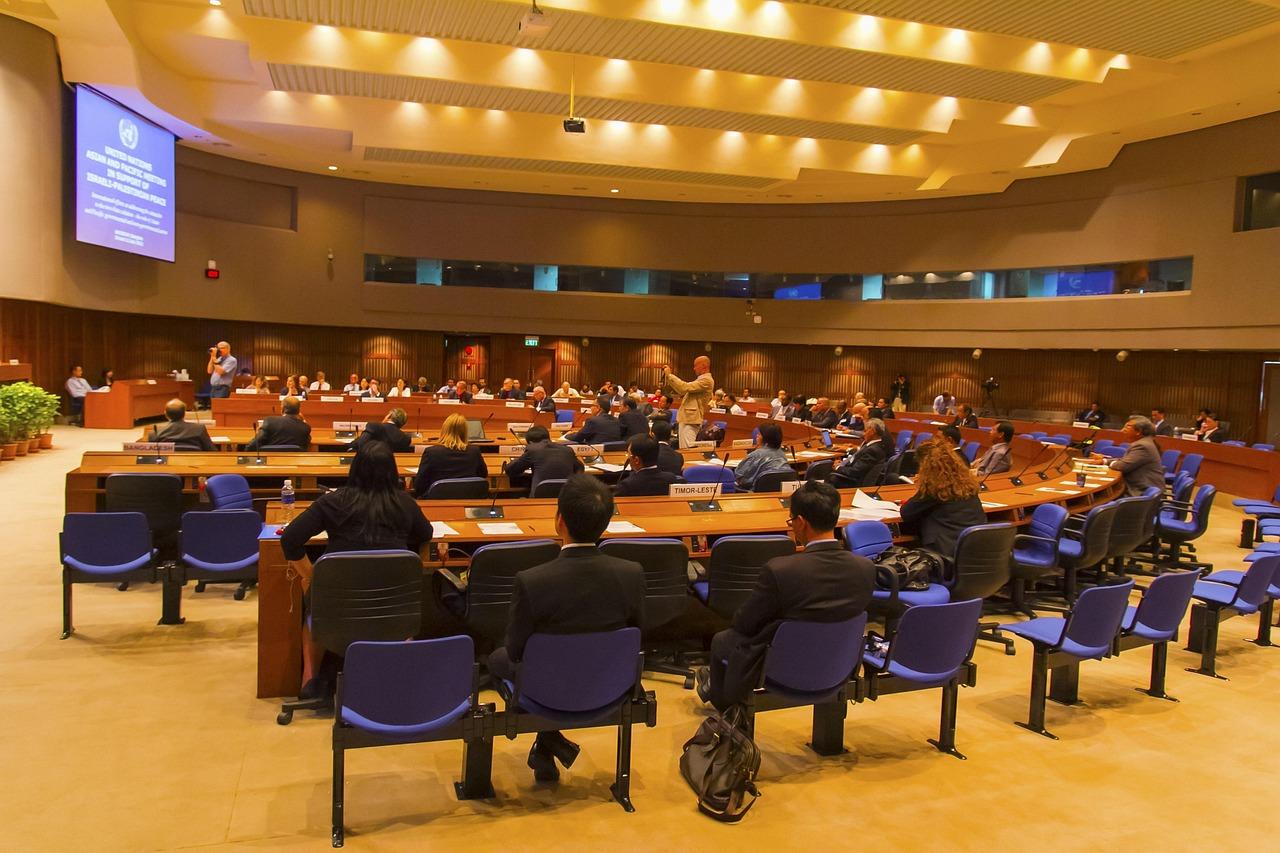
The United Nations and the International Telecommunication Union are forming the AI for Good Global Commission to bring senior tech executives and heads of state together to pursue global rules and practical projects for responsible AI.
The United Nations and the International Telecommunication Union (ITU) have established the AI for Good Global Commission to bring senior technology executives and heads of state together to help develop global approaches to the governance and practical use of artificial intelligence (AI). The commission will hold its inaugural meeting on July 8, 2026, in Geneva, Switzerland.
Leadership and membership
Salesforce CEO Marc Benioff and Rwandan President Paul Kagame will serve as co-chairs. Other members include ITU Secretary‑General Doreen Bogdan‑Martin; Estonian President Alar Karis; and AI and tech policymakers from Kazakhstan, Namibia, Saudi Arabia, Singapore, and Nigeria.
Tech sector participants named include Amazon CEO Andy Jassy; Anthropic co‑founder Jack Clark; Cohere co‑founder Aidan Gomez; Microsoft President Brad Smith; and Nvidia founder and CEO Jensen Huang.
Commission priorities
Marc Benioff told Axios that “AI is the most profound technological transition in history,” and argued that values must guide the process because responsibility is central to AI ethics. He said the commission will unite “the people who build AI, deploy it, shape policy, and represent communities.”
The first meeting will concentrate on areas where the group can act together: strengthening AI infrastructure; accelerating AI’s positive impact in health, education, food security and disaster response; and ensuring trust and safety in AI systems.
Challenges ahead
National governments remain far apart on how to regulate AI, even as many agree that democratic values should inform governance. That divergence will make it difficult for the commission to set and achieve cohesive, concrete objectives that transcend political differences and assertions of digital sovereignty.
Translating the commission’s aim of “responsible AI solutions” into practice may prove difficult for individual companies and within jurisdictions that have differing AI and technology regulation. One area where progress may be more attainable is expanding AI benefits to people without internet access: according to ITU figures, about 2.2 billion people worldwide lack internet connectivity.
Timing and context
The commission’s first meeting is scheduled to take place during the ITU’s AI for Good Global Summit, immediately following the United Nations’ Global Dialogue on AI Governance on July 6–7. The back‑to‑back events create a window for dialogue between political and technical leaders, although aligning competing interests will remain a key task.
Related articles More from the section.

Pentagon Denies Report of Proposed Pressure to Restore Jensen Huang at Nvidia
The Washington Post reported that Pentagon leaders discussed using a Cold War-era law to pressure Nvidia over Jensen Huang’s return as chief executive, a claim a Defense Department official denied.
Regulation · November 25, 2026
US Chip Export Rules Put Asian Data Center Funding Under Pressure
Lenders have paused billions of dollars in financing linked to Chinese technology companies as new US chip restrictions threaten Asian data center projects, Bloomberg reported.
Regulation · November 25, 2026
Democratic lawmakers call for limits on advanced AI development
Several Democratic senators are urging immediate safeguards for advanced artificial intelligence, while Bernie Sanders is calling for a pause in its development.
