AI-generated text
Democratic lawmakers call for limits on advanced AI development
Regulation · November 25, 2026
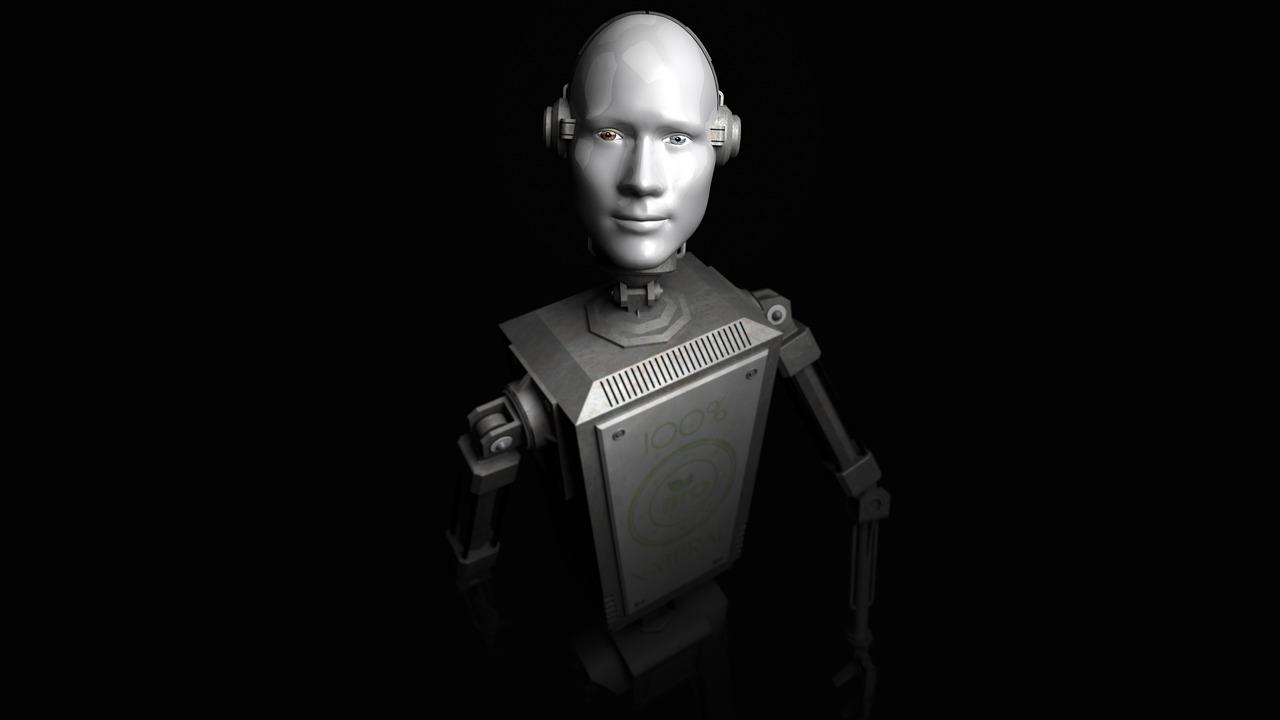
Several Democratic senators are urging immediate safeguards for advanced artificial intelligence, while Bernie Sanders is calling for a pause in its development.
In this article · 3
Several prominent Democratic politicians are calling for new restrictions on advanced artificial intelligence development after Axios reported growing concern among employees at OpenAI and Anthropic that their most powerful models may not be safe to release.
The debate is moving beyond the technology's economic effects to the question of whether companies should be allowed to create systems they may be unable to control. The issue is also gaining attention among Democratic leaders ahead of the 2028 presidential election. Maryland's Democratic governor, Wes Moore, a potential 2028 presidential contender, outlined his approach to AI regulation on “The Axios Show.” He said voters dislike the technology because they fear losing control of it.
Senators urge immediate action
Democratic Senators Mark Kelly of Arizona, Brian Schatz of Hawaii and Chris Van Hollen of Maryland, along with independent Senator Bernie Sanders of Vermont, all called for immediate action. Kelly said safeguards and independent examiners inside the companies were needed, drawing a parallel with protections governing nuclear weapons and other dangerous technologies.
Schatz argued that postponing action until the following year was indefensible because the risks were imminent. Van Hollen said the warning signs were clear and Congress needed to act. Sanders went further, demanding a pause in advanced AI development on the grounds that the people building the systems themselves fear they could soon escape their control.
Unresolved safety questions
More than two dozen sources familiar with internal debates at OpenAI and Anthropic told Axios that recent advances in AI capabilities had raised questions about whether future frontier models could be safely released. Researchers have not yet found technical solutions for controlling the most advanced models.
Opinions within the companies differ on what to do next. Some believe the problem is technical and can be solved; others think companies should stop training new models altogether.
Human decision-making and AI
Alongside the debate over control of models, industry leaders are discussing a separate question: how much decision-making people should voluntarily hand over to increasingly capable systems.
Anthropic Chief Executive Officer Dario Amodei pushed back on Wednesday in a post on X against a separate Axios article about views within the company that humanity will inevitably surrender some autonomy to superintelligent systems. Amodei said he did not believe human free will should be surrendered to AI, and argued that the technology must be governed through legitimate democratic processes.
Amodei's essay nevertheless allowed for a more nuanced approach: in some circumstances, it could make sense for a highly capable system to take on tasks such as driving a car or designing a cancer drug. Both Anthropic and OpenAI have acknowledged safety challenges and indicated a willingness to slow aspects of development or deployment.
It remains to be seen whether fears of losing control of AI will become a defining issue in the 2028 Democratic presidential primary, and whether more lawmakers will support restrictions not only on deployment but on development itself.
Related articles More from the section.

Nvidia pauses some server shipments to Southeast Asia
Nvidia has told manufacturing partners to pause server shipments to four Southeast Asian countries while it reviews compliance with U.S.
Regulation · November 26, 2026
Lawyer warns companies of AI compliance and data protection risks
At the AI & Digital Transformation 2026 conference, Taylor Wessing lawyer János Kopasz warned that companies face regulatory risks even before the EU AI Act is fully applied.
Regulation · November 26, 2026
Pentagon Denies Report of Proposed Pressure to Restore Jensen Huang at Nvidia
The Washington Post reported that Pentagon leaders discussed using a Cold War-era law to pressure Nvidia over Jensen Huang’s return as chief executive, a claim a Defense Department official denied.
