AI-generated text
Tesla begins limited Cybercab robotaxi service in Austin aiming for sub-$30,000 vehicle economics
Industry · September 4, 2026
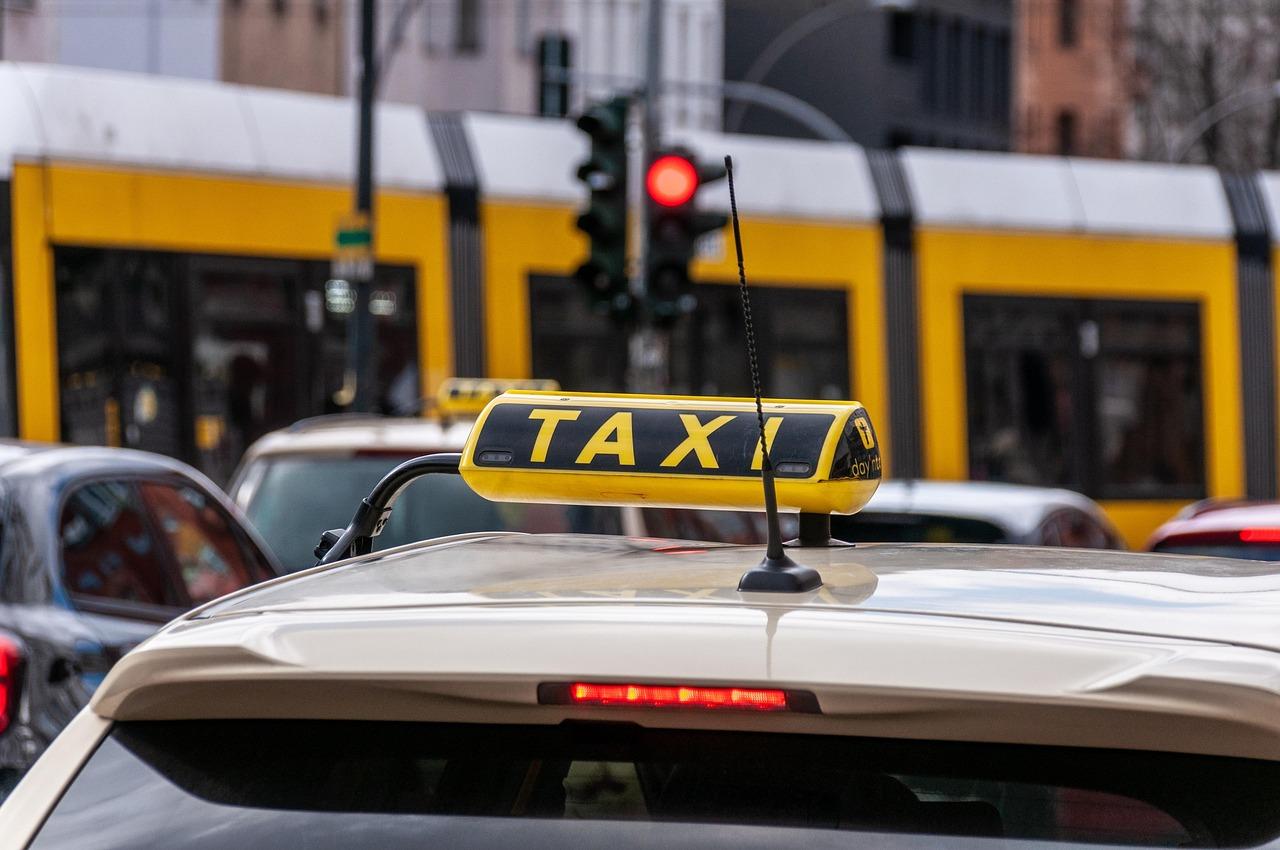
Tesla has started a limited pilot of its Cybercab robotaxi in Austin, deploying the company’s first production vehicle without a steering wheel, accelerator, or brake pedal.
Tesla has begun a limited rollout of its Cybercab robotaxi in Austin. The Cybercab is the company’s first production vehicle designed without a steering wheel, accelerator, or brake pedal.
Cost targets and comparisons
Elon Musk has stated a target manufacturing price below $30,000, which would be cheaper than most new cars. Tesla also projects operating costs near $0.20 per mile. Those figures, if realized, would materially change robotaxi economics: the report notes that Waymo’s current robotaxi vehicles cost nearly twice as much.
Current deployment and constraints
The concept is already carrying passengers in Austin, but the deployed fleet is small — only 45 Cybercabs are registered in Texas. The service is operating as a limited pilot, and broader commercial deployment faces regulatory and practical hurdles. In particular, federal and local rules still pose constraints for vehicles that lack conventional human driving controls.
Why this matters
Tesla’s stated aim is to build a low-cost machine that can drive, charge, clean, and earn revenue around the clock. Achieving the company’s price and operating-cost targets could rapidly make higher-cost fleets uneconomical. However, proving reliability at scale and obtaining the necessary regulatory approvals are prerequisites for that outcome.
Next steps
Tesla appears focused on scaling quickly: validate the concept in pilot programs, then expand the fleet if regulations and performance allow. For now, the commercial impact is limited by the small pilot size and outstanding policy requirements.
Related articles More from the section.

Pleschinger Sees Opportunity in AI Stocks After Market Declines
Gyula Pleschinger of Wood & Company believes the sell-off in artificial intelligence stocks may offer buying opportunities, although his team has reduced its exposure to the sector.
Industry · November 26, 2026
ING Expects AI Investment’s Growth Contribution to Peak in 2027
ING Bank expects spending on artificial intelligence to keep rising in 2027, even as its contribution to economic growth reaches a peak.
Industry · November 25, 2026
Tech Selloff Resumes as Neocloud Debt Concerns Grow
Technology stocks fell again on Wednesday as a rally following Jensen Huang’s return to Nvidia lost momentum.
