AI-generated text
TerraPower plans molten-salt storage to tailor nuclear plants for AI data centers
Industry · August 19, 2026
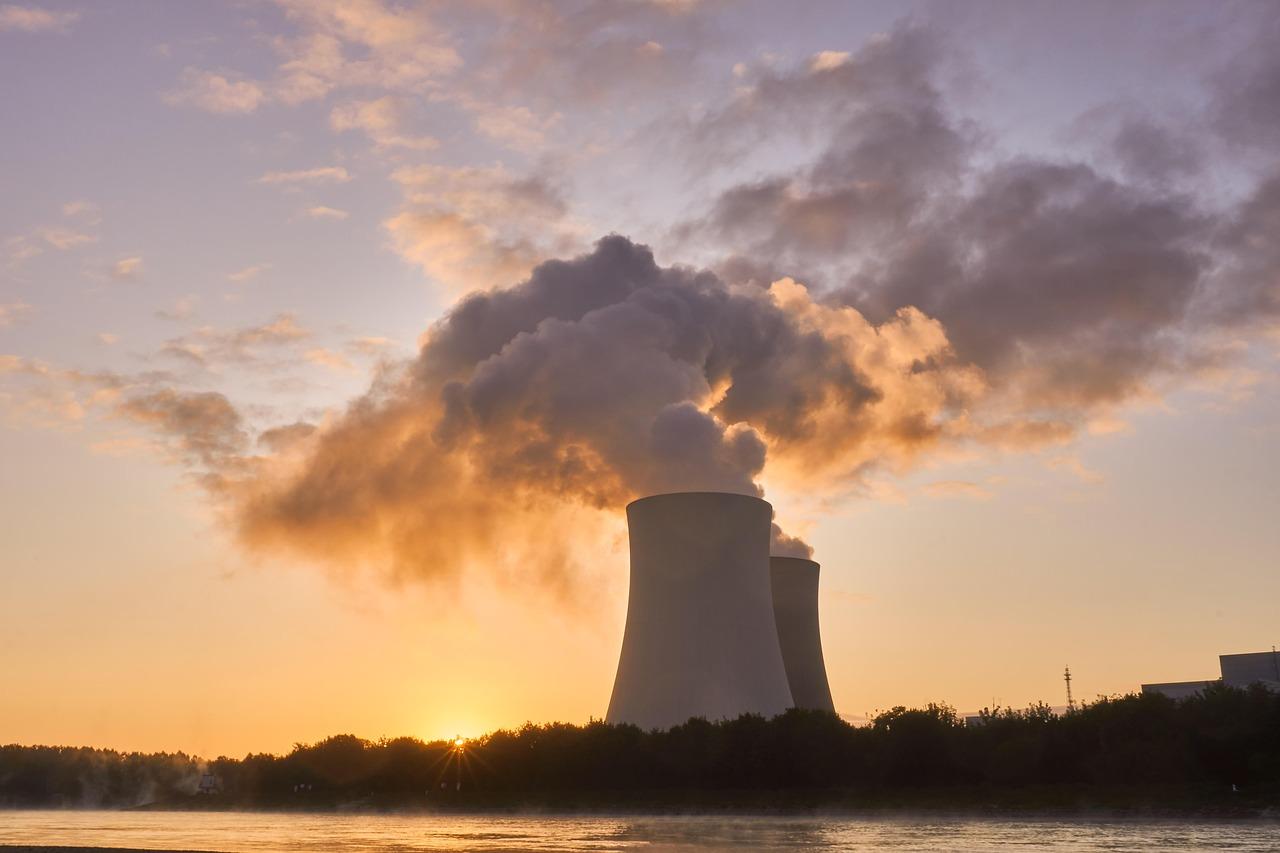
Bill Gates–founded TerraPower is preparing to announce its first data center project this year and aims to use molten-salt thermal storage to make its Natrium reactors better suited to the variable loads of AI facilities.
Bill Gates–founded TerraPower plans to announce its first data center project this year, Bloomberg reports. The company did not disclose the customer; in January it said that Meta had agreed to buy eight of its Natrium power plants. The new data center project is expected to break ground in 2027 and would be TerraPower’s second power plant — its first is already under construction in Wyoming.
The challenge of powering AI data centers
AI workloads produce rapidly changing electricity demand: GPUs can drive sudden spikes and drops as they train models or respond to prompts. Such swings have stressed natural-gas turbines and require large battery banks to smooth demand, which raises costs further.
Why TerraPower’s design is noteworthy
Nuclear reactors — including TerraPower’s — perform best when run at steady, full output. In the U.S., nuclear plants have the highest capacity factor of any technology, averaging 92.5% of the time at near-maximum output. Existing reactors are slow to change output: according to the National Laboratory of the Rockies, many can adjust only about 5% of their rated output per minute. New small modular reactors (SMRs) can respond faster, around 10% per minute per the same lab, but operating below full power is still economically unattractive given the very high capital expenditures for nuclear plants.
Startups hope mass manufacturing of SMRs will lower capex, but that remains unproven and could take a decade or more to materialize. Given high early costs, developers aim to run initial plants as close to peak capacity as possible.
Molten-salt thermal storage: how TerraPower addresses variability
TerraPower’s Natrium design — a 345-megawatt molten-salt-cooled reactor — sidesteps rapid reactor throttling by storing excess heat rather than constantly changing nuclear output. The reactor continues to split atoms and produce heat; when demand is low the surplus heat is put into a large tank of molten sodium. If demand spikes, that stored heat is released to generate additional steam and drive turbines, delivering extra electric power quickly.
This approach preserves nuclear’s high capacity factor while adding a thermal storage buffer that helps the plant integrate with intermittent renewables or directly serve variable data-center loads. Keeping the reactor and its expensive equipment running continuously lets the company amortize capital over more operating hours, improving economics.
Competitive implications
By pairing steady nuclear generation with on-site thermal storage, TerraPower may gain an advantage over competitors that lack integrated storage. The design is intended to meet the flexibility needs of renewable-heavy grids and the rapid load swings of AI data centers, positioning the company in the race to supply reliable, adaptable power for AI infrastructure.
Related articles More from the section.

How to Assess the Business Impact of AI-Assisted Development
AI-assisted software development can be costly, and its returns remain uncertain.
Industry · November 25, 2026
Huang’s Conduct Admission Tests Nvidia’s Workplace Culture
Jensen Huang has acknowledged violating Nvidia’s code of conduct while arguing that a breach does not automatically require dismissal.
Industry · November 25, 2026
Mercedes-Benz tests humanoid robots at Hungarian and German plants
Apptronik Apollo 2 humanoid robots used Google DeepMind’s Gemini Robotics 2.5 model to prepare parts at Mercedes-Benz plants in Kecskemét and Sindelfingen.
