AI-generated text
Mercedes-Benz tests humanoid robots at Hungarian and German plants
Industry · November 25, 2026
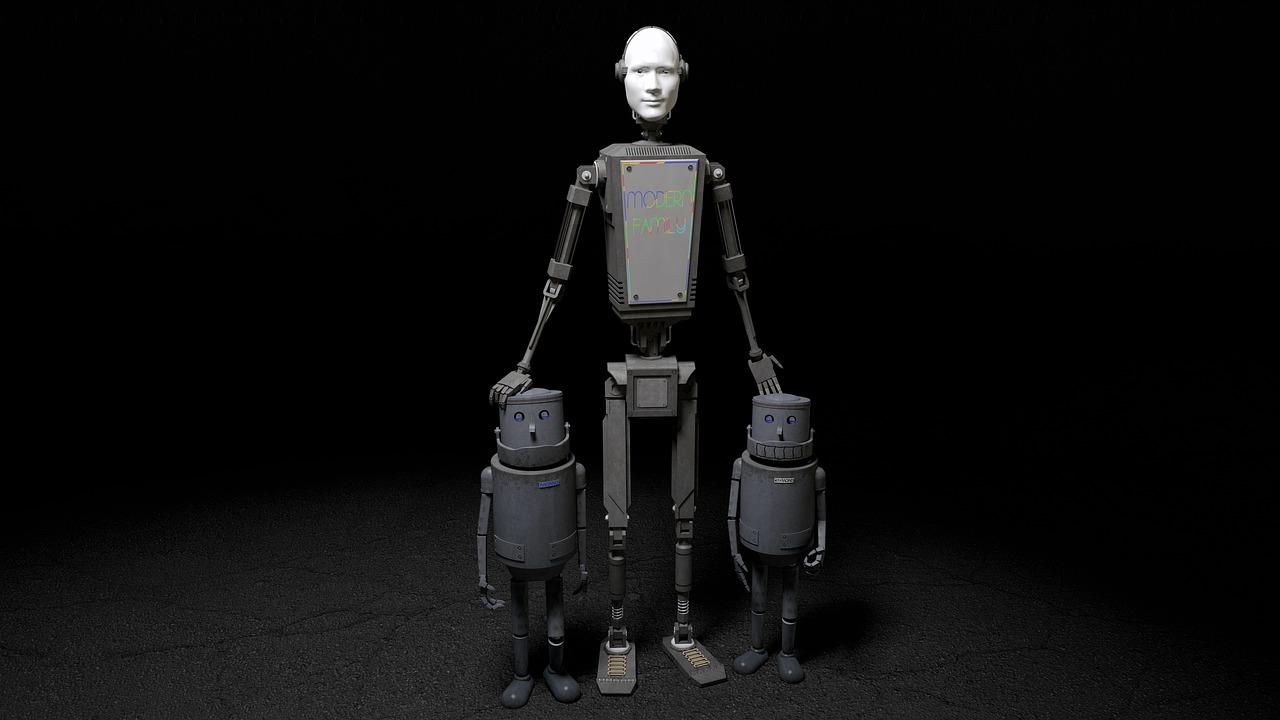
Apptronik Apollo 2 humanoid robots used Google DeepMind’s Gemini Robotics 2.5 model to prepare parts at Mercedes-Benz plants in Kecskemét and Sindelfingen.
In this article · 2
Mercedes-Benz has tested humanoid robots for parts preparation at its plant in Kecskemét, Hungary. The Apollo 2 robots from US company Apptronik used Google DeepMind’s Gemini Robotics 2.5 artificial intelligence model; the technology was also trialled at the company’s operating car plant in Sindelfingen, Germany.
The machines were tasked with selecting metal components stored in bulk and arranging them in the order needed for vehicles on the production line. They independently picked individual parts from containers and adapted to variations during the work, correcting their movements when an operation did not go as planned. The trial achieved a 96% success rate.
The development aims to allow humanoid robots eventually to take over some repetitive, physically demanding work, giving employees more time for tasks requiring greater expertise. The applications in Kecskemét and Sindelfingen remain an experimental project.
More complex tasks and simulation-based training
The Gemini Robotics 2.5 model was tested on more than 200 tasks, ranging from using tools to handling fragile objects. Compared with the previous version, its success rate improved by 30–100%, depending on the task, while execution became 20–30% faster.
Safe task performance also improved: the measured improvement was 33% for operations near obstacles and 43% for tasks performed close to people.
The Gemini 4 Argon model also supports robot training by allowing tasks to be practised in digital replicas of real industrial environments. Simulations could speed up the learning of new operations and reduce the need for costly physical testing.
Opportunities and obstacles in Hungary
The development is part of a broader shift in industrial automation. While conventional robots typically repeat predetermined movements, newer systems can recognize changes in their surroundings, interpret what they see and adjust their operation accordingly.
Enyedi Márta, Teradyne Robotics’ sales manager in Hungary, previously told Világgazdaság that artificial intelligence could make it possible to automate tasks once considered too complex for robots. These include identifying and grasping parts stored in bulk, camera-based quality inspection and assembly.
A shortage of specialists could nevertheless slow adoption, particularly among small and medium-sized businesses that lack the engineering resources needed to plan and introduce automation. A key question is how easily more advanced robotic systems can be integrated into existing production processes. The trials at the two plants nonetheless show that humanoid robots can perform more complex tasks in a real industrial environment.
Related articles More from the section.

SAP considers cutting more than 10,000 jobs amid AI shift
SAP is considering eliminating more than 10,000 positions as it adapts its business to artificial intelligence, according to Bloomberg.
Industry · November 26, 2026
OpenAI employee saw potential for mathematical applications of the model early on
An OpenAI employee referred to in the text as Ven believed early on that the company’s model at the time might be capable of solving the Millennium Prize Problems.
Industry · November 26, 2026
GTA VI and Anthropic IPO Highlight Debate Over AI and Creative Work
The reported launch of Grand Theft Auto VI has renewed debate over whether AI can replicate the painstaking work behind ambitious video games.
