AI-generated text
South Korea's growth led by semiconductor surge, but external risks persist
Industry · August 10, 2026
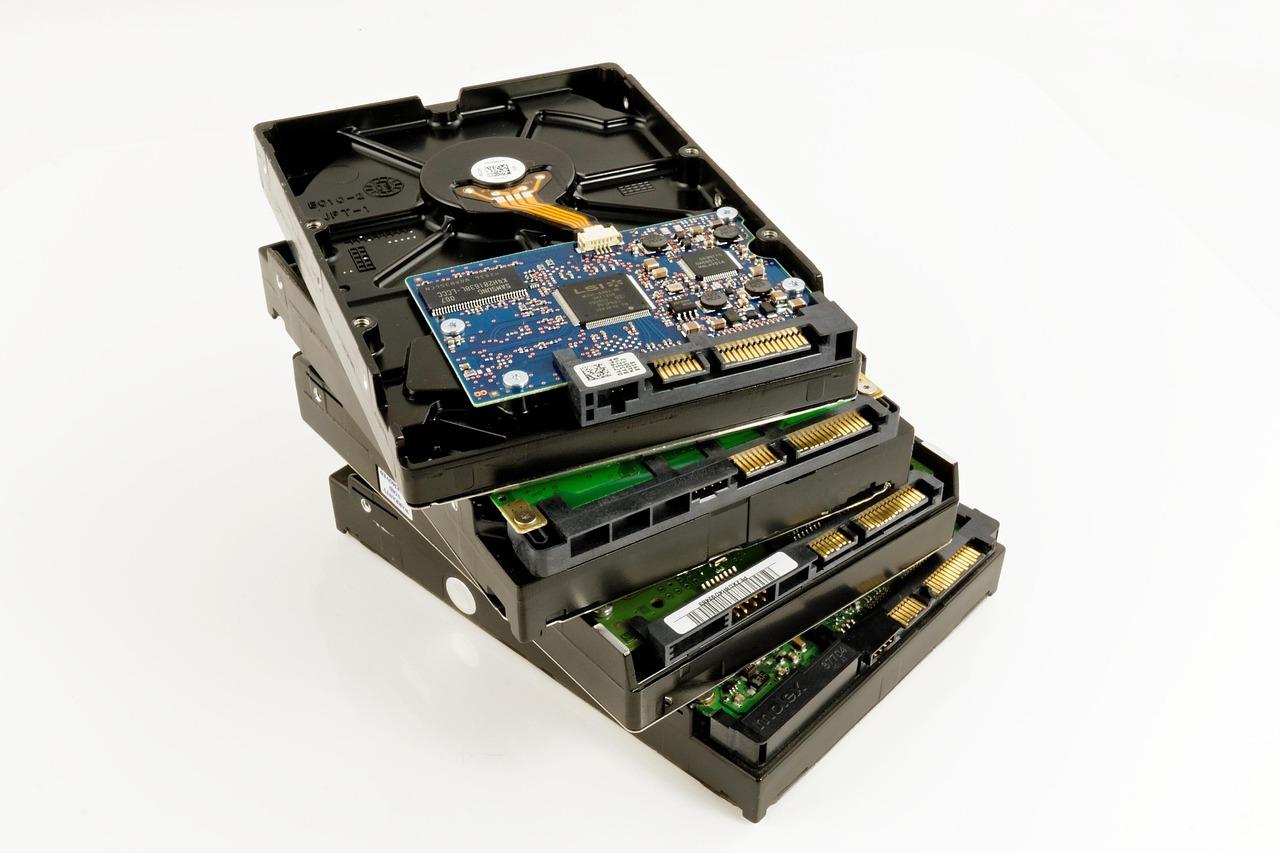
A sharp rise in semiconductor exports has driven South Korea's recent economic improvement, with July exports reaching $98.89 billion and chip shipments expanding 179% year-on-year to $41 billion, the Korea Development Institute reports.
In this article · 4
The Korea Development Institute (KDI), in its monthly economic report, finds broad signs of improvement in South Korea's economy, driven largely by an exceptionally strong performance in the semiconductor sector. Exports and investment expanded strongly thanks to global demand for semiconductors, while rising demand for durable goods helped accelerate consumer spending. Industrial output improved overall and the services sector also delivered favorable results.
Key figures
- South Korea's exports rose to $98.89 billion in July, the second-highest monthly level on record, representing roughly a 63 percent increase year-on-year.
- Semiconductor exports jumped 179 percent to $41 billion.
- Demand for memory chips was particularly supported by data center investments serving artificial intelligence applications.
Employment and inflation
Employment showed improvement: in June the number of employed people increased by 63,000 year-on-year, returning to growth after two months of decline. Manufacturing jobs, however, continued to fall. Consumer prices rose 2.8 percent year-on-year in July; this was the first time in three months that the inflation rate dropped below 3 percent.
Risks and uncertainties
The KDI cautions that South Korea, the fourth-largest Asian economy, still faces external uncertainties. The report cites U.S. tariff policy and geopolitical tensions in the Middle East as factors that could add to inflationary pressures and raise economic uncertainty.
Why this matters
The semiconductor boom has strengthened exports and investment and helped revive consumption, affecting multiple links in the domestic economy. At the same time, the persistence of growth depends on external developments—trade policy and geopolitical risks could undermine the current momentum—making these issues central for policymakers and corporate planners.
Note: figures and assessments are taken from the KDI monthly report cited in the source article.
Related articles More from the section.

Mercedes-Benz tests humanoid robots at Hungarian and German plants
Apptronik Apollo 2 humanoid robots used Google DeepMind’s Gemini Robotics 2.5 model to prepare parts at Mercedes-Benz plants in Kecskemét and Sindelfingen.
Industry · November 25, 2026
Why Commercial AI May Struggle to Develop Independent Taste
The source essay argues that genuine taste depends on the freedom to reject things, even when doing so is unpopular.
Industry · November 25, 2026
Amazon and Meta Reportedly Discuss Access for Muse Shopping Agent
Amazon and Meta have reportedly held several rounds of talks about allowing Meta’s Muse AI agent to connect directly to Amazon’s store.
