AI-generated text
Sam Altman says ChatGPT's water use is much lower than often claimed
Industry · September 7, 2026
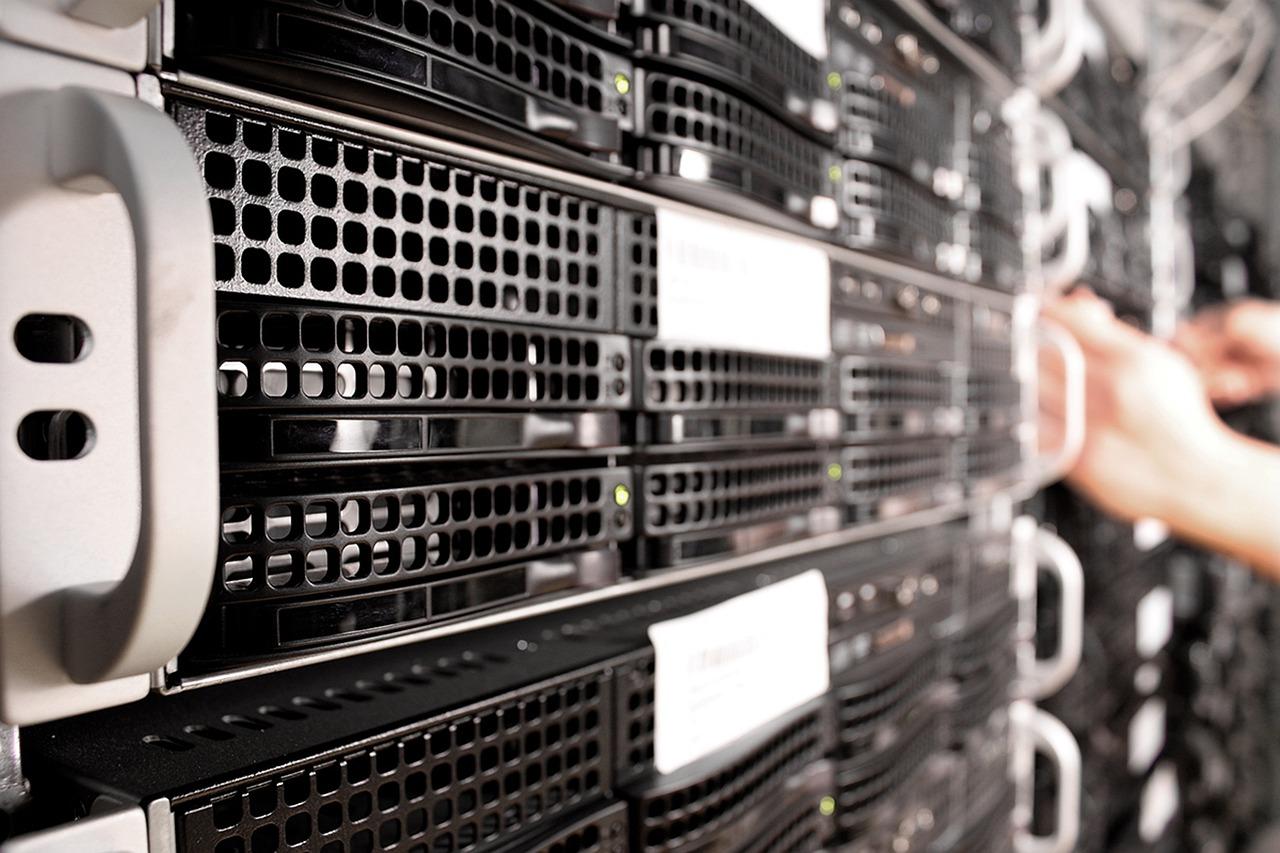
OpenAI CEO Sam Altman told the Sources Podcast that ChatGPT’s per-query water footprint is negligible compared with agricultural uses such as almond production, and that modern data centers use far less evaporative cooling.
In this article · 3
Sam Altman, CEO of OpenAI, told Alex Heath’s Sources Podcast that he believes ChatGPT does not consume a significant amount of water. Altman stated that roughly 38,000 ChatGPT queries use about the same amount of water as is required to produce a single almond in California. He offered this comparison in response to claims that a single query could use as much water as someone running a shower for six hours.
Altman added that his 38,000 figure was not a precise, measurement-based statistic but rather an order-of-magnitude illustration. He noted that older data centers often used evaporative cooling, which consumed water, whereas newer facilities tend not to rely on that approach. He also said that a large, modern data center uses roughly as much water as a comparably sized office building.
Checking the numbers
Tom’s Hardware cited scientific studies that estimate the water requirement for a single almond in California at about 1 gallon (3.785 liters). Referring to Altman’s earlier comments about per-query water use in older, evaporatively cooled data centers, a single ChatGPT query was estimated at between 1 and 50 milliliters of water. That range corresponds to 0.001–0.05 liters, or about 0.0002–0.013 gallons per query.
Using those per-query figures, the number of queries equivalent to the water needed for one almond would be far smaller than 38,000: roughly between 75 and 5,500 queries. Based on these calculations, Tom’s Hardware concluded that Altman’s 38,000-queries example is inconsistent with the cited per-query estimates and published almond irrigation figures.
Model training and extreme examples
It is important to distinguish between the water footprint of serving queries over time and the one-time resource demand of training large models. Tom’s Hardware noted that training GPT‑3, under older data center practices, required about 185,000 gallons of water, which is roughly 700,000 liters. That represents a substantially larger, single-event water consumption than typical query serving.
There are also documented cases of very high water use at some facilities. One data center in Georgia reportedly consumed 29 million gallons (about 109.7 million liters) of water over 15 months. Another facility in Morgan County has been linked to local reports of water turbidity affecting a neighboring town.
Why this matters
Local opposition to building new AI-focused data centers is often driven by concerns about climate impact and local resource use: both electricity demand and water consumption are central issues. Altman’s point highlights that per-query water use may be modest and that cooling technologies have evolved, but independent calculations and the large-scale water demands of model training and some legacy facilities show that data center water use can still be environmentally significant.
In summary, while per-query water usage from ChatGPT is likely lower than some early claims suggested, discrepancies remain between headline comparisons and per-query estimates, and certain data center operations and training processes can still consume substantial volumes of water.
Related articles More from the section.

ING Expects AI Investment’s Growth Contribution to Peak in 2027
ING Bank expects spending on artificial intelligence to keep rising in 2027, even as its contribution to economic growth reaches a peak.
Industry · November 25, 2026
Tech Selloff Resumes as Neocloud Debt Concerns Grow
Technology stocks fell again on Wednesday as a rally following Jensen Huang’s return to Nvidia lost momentum.
Industry · November 25, 2026
How to Assess the Business Impact of AI-Assisted Development
AI-assisted software development can be costly, and its returns remain uncertain.
