AI-generated text
Petrichor Plans a Biology Lab for AI Systems
Tools · November 16, 2026
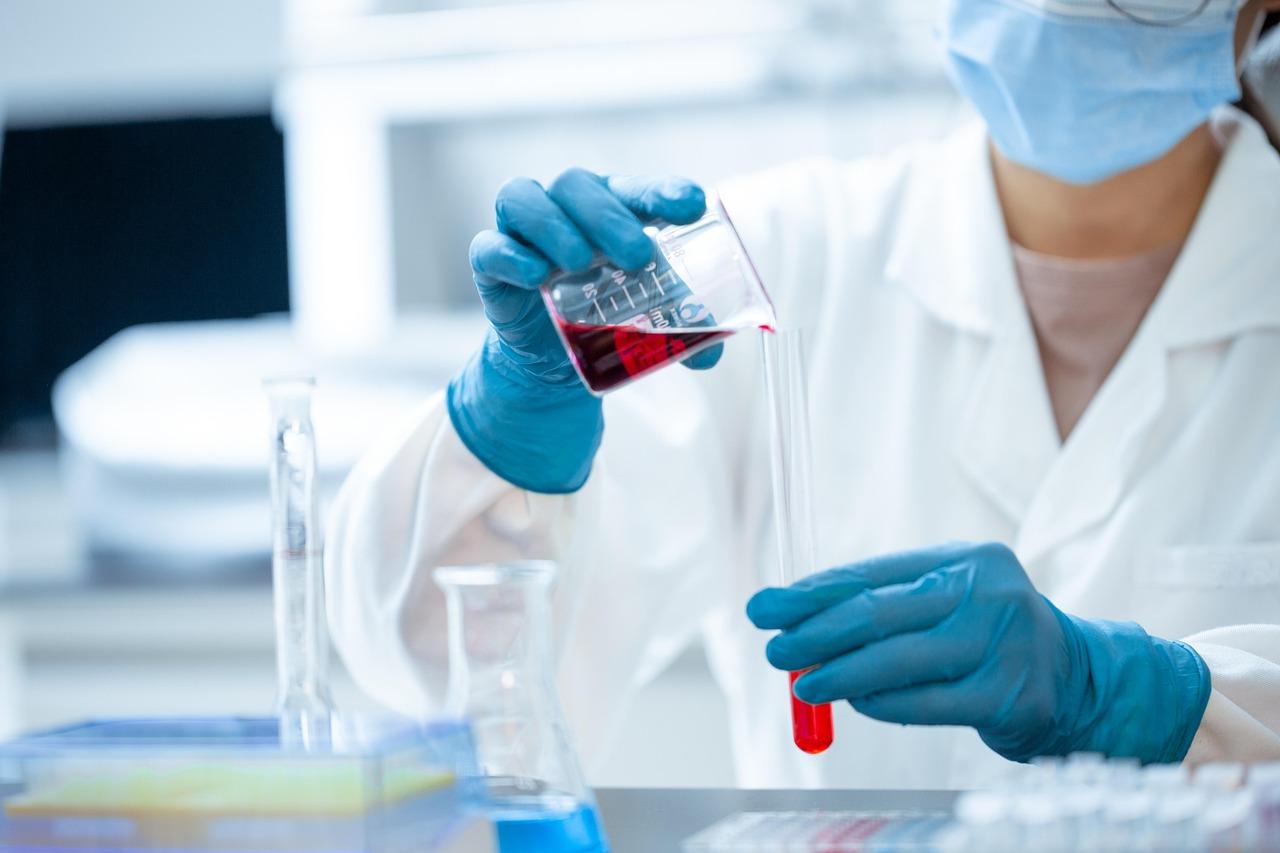
Y Combinator startup Petrichor aims to build a biological laboratory that AI systems can use as a tool.
Y Combinator startup Petrichor is planning a biological wet lab for use by AI laboratories and the models they train to do science. The company aims to give AI systems access to physical experimentation as a tool, much as they can use web search today.
The proposed system would act as an interface between the digital and physical worlds. A model such as Claude could describe an experiment in natural language or a structured format, allowing an AI agent to submit the work and receive results without a person relaying them. Petrichor aims to return the highest-quality data an experiment can produce, as quickly as biological processes allow.
Faster research and oversight
The concept points toward a scientific equivalent of the nearly fully automated, unstaffed facilities sometimes described in manufacturing as “lights out” factories. Such facilities could accelerate experimentation, while also increasing the need for digital oversight.
A highly capable artificial biological researcher working continuously without human input could bring substantial scientific benefits, but also pose serious risks. Petrichor’s plan therefore raises questions not only about infrastructure for AI-driven biology, but also about how to operate automated science safely.
Related articles More from the section.

Inkling 2 Mini inference accelerated on a single NVIDIA GPU
A Hugging Face experiment used a coding agent to optimize Inkling 2 Mini inference on one NVIDIA RTX PRO 6000 GPU.
Tools · November 25, 2026
OpenAI tests its privacy solution with a limited group of customers
OpenAI is testing Private Inference, part of OpenAI Private Intelligence, with a small group of customers.
Tools · November 25, 2026
Google Antigravity adds tools for mass spectrometry analysis
Mass Spec Skills combines Gemini’s reasoning with established chemistry tools to help scientists identify molecules from tandem mass spectra.
