AI-generated text
Inkling 2 Mini inference accelerated on a single NVIDIA GPU
Tools · November 25, 2026
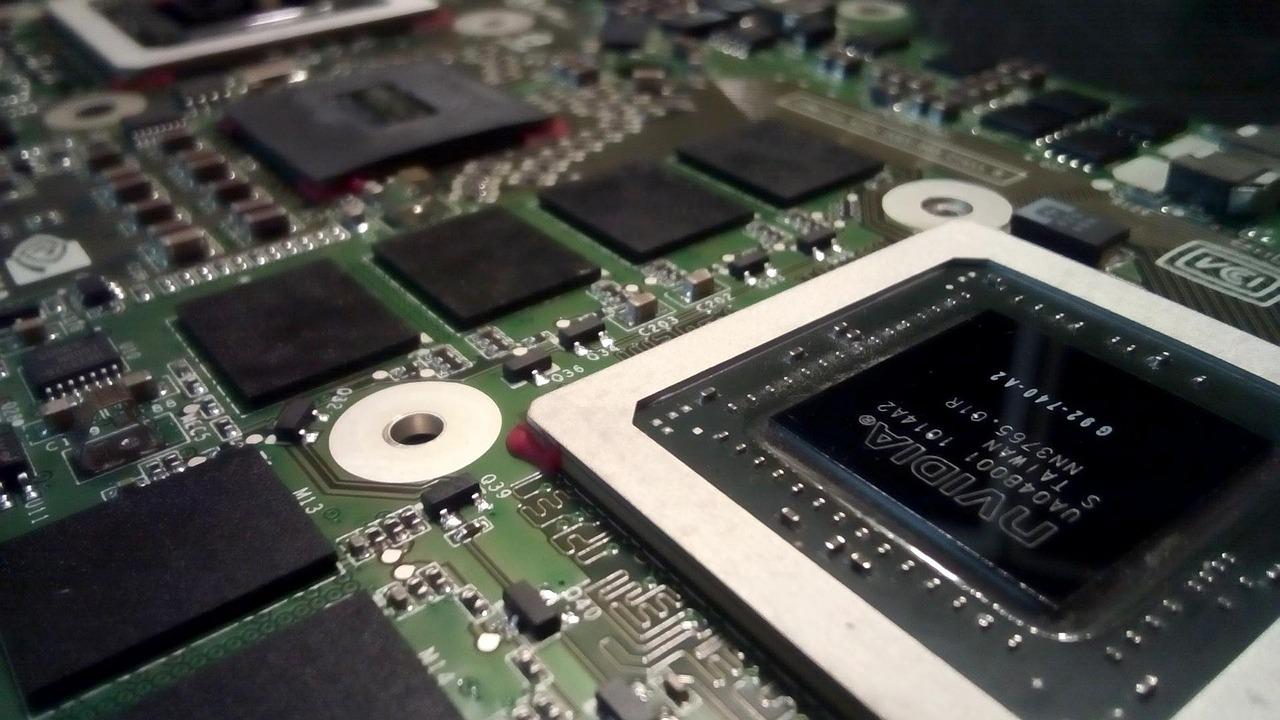
A Hugging Face experiment used a coding agent to optimize Inkling 2 Mini inference on one NVIDIA RTX PRO 6000 GPU.
In this article · 4
A Hugging Face experiment accelerated Inkling 2 Mini inference on a single NVIDIA RTX PRO 6000 96 GB GPU, using a coding agent to test inference settings over an afternoon. Across 46 valid runs, single-user generation rose from 136 to 190.6 tokens per second, while aggregate throughput for eight users increased from roughly 570 to 716 tokens per second.
The best result combined a vLLM nightly build with DSpark speculative decoding. Its single-user speed exceeded the 167.7 tokens per second reported in a LocalMaxxing community benchmark using SGLang and DSpark on the same GPU. The verified configuration was subsequently deployed as a Hugging Face Inference Endpoint.
The model and test setup
Inkling 2 Mini, which the source says was released the previous week, has approximately 26 billion parameters, with 3 billion active per token. It supports multimodal inputs and a one-million-token context window. It led its weight class on the Artificial Analysis Intelligence Index v5 and ranked first on 32 of 48 benchmarks against models including Gemma 4 31B and Qwen3.8-27B.
The model uses a looped Mixture-of-Experts architecture: the middle 12 of its 24 physical layers run three times, giving each token 48 layer visits. The checkpoint contains weights in mixed NVFP4 and MXFP8 formats and a DSpark drafter for speculative decoding. Nightly builds of vLLM and SGLang support it, but published serving recipes targeted NVIDIA B200 and GB300 GPUs; kernel compatibility can differ on the RTX PRO 6000.
The researchers gave the coding agent an inference-optimization protocol, the Hugging Face command-line tool and access to Hugging Face Jobs. It changed one variable at a time, bracketed candidates with two control runs and kept changes only when they beat both controls without degrading other metrics. Tests used six prompt types, a temperature of 1.0, thinking mode enabled and 512 output tokens; speculative-decoding runs used 12 repetitions.
The Hugging Face Jobs GPU flavor used for testing provided the same hardware as the target Inference Endpoint, with both priced at $2.75 per hour. The baseline used SGLang with the FA4 attention backend and no speculative decoding.
What delivered the speedup?
Switching from SGLang to vLLM nightly alone increased single-user speed from 136 to 157 tokens per second, about 15%. Adding DSpark with seven draft tokens and probabilistic draft sampling produced a further 21% gain, reaching 190.6 tokens per second. At eight concurrent users, that configuration achieved 716 tokens per second in aggregate, compared with the baseline range of 543–598 tokens per second.
SGLang with DSpark reached 166.6 tokens per second for one user. Its recipe initially capped concurrent requests at four; raising the limit to eight yielded 660 tokens per second in aggregate, still below vLLM. The deployed endpoint, accessed over the internet, measured 194.9 tokens per second for one user and 673 tokens per second across eight users.
To start vLLM and DSpark on the 96 GB GPU, the team set the maximum context length to 262,144 tokens and the GPU memory-utilization target to 0.85. Shorter speculative draft lengths were rejected because of the checkpoint's fixed block size, while greedy draft sampling was 11% slower than probabilistic sampling at a temperature of 1.0.
Hardware limits and unsuccessful attempts
Based on the measured memory-copy bandwidth of 1,469 GB per second and the size of the weights, the researchers estimated a theoretical single-user ceiling of about 256 tokens per second without speculation. Speculative verification activates experts for several positions at once, requiring more data to be read. At the measured average acceptance of about 2.3 tokens per step, the estimated ceiling fell to around 201 tokens per second. The 190.6-token result was therefore about 95% of that figure; according to the source, further gains would require a drafter with higher acceptance or verification that touches fewer experts.
Several settings failed to produce reliable improvements. Some vLLM options did not support the Inkling 2 drafter, while others made no meaningful difference. One SGLang optimization initially appeared to improve speed by 4%, but repeat controls did not confirm it. The experiment also deliberately avoided sampling methods that would alter the output distribution.
Measurement problems needed attention as well: Triton's first compilation distorted long-prompt processing results, and a previous server process left GPU memory occupied. After fixing warmup and process management, the team changed logging so that the underlying causes of out-of-memory errors would not be buried in server logs. Identical speculative vLLM runs stayed within 0.4% of one another, while SGLang results varied by ±4.5%.
Verification and deployment
In checks using the pinned vLLM container image, the model retrieved a hidden piece of information in all three attempts at both 126,537-token and 249,970-token context lengths. Four concurrent requests of approximately 58,000 tokens each also succeeded. For six prompts at temperature zero, greedy outputs with and without speculation were byte-identical.
The endpoint was deployed with a pinned container image digest and model revision, using authenticated access; it scales to zero after 60 minutes of inactivity. Logs, scripts and raw measurements are available in the NielsRogge/inkling-2-mini-hillclimb repository.
Related articles More from the section.

Nothing unveils Ear (note) earbuds with AI note-taking
Nothing has introduced Ear (note), a pair of earbuds designed to transcribe and summarize conversations, calls and online meetings.
Tools · November 26, 2026
Four AI Agents Learn to Share Information Using One Language Model
An experiment trained four agents backed by a shared small language model to exchange private information and sort numbers.
Tools · November 26, 2026
Poliext Uses AI to Speed Up Meeting Follow-Up
Poliext says it has reduced the time needed to prepare meeting summaries from 30–45 minutes to half a minute to one minute using Minuteory.
