AI-generated text
Huang’s Return to Nvidia Leaves Export and Security Questions Unresolved
Regulation · November 23, 2026
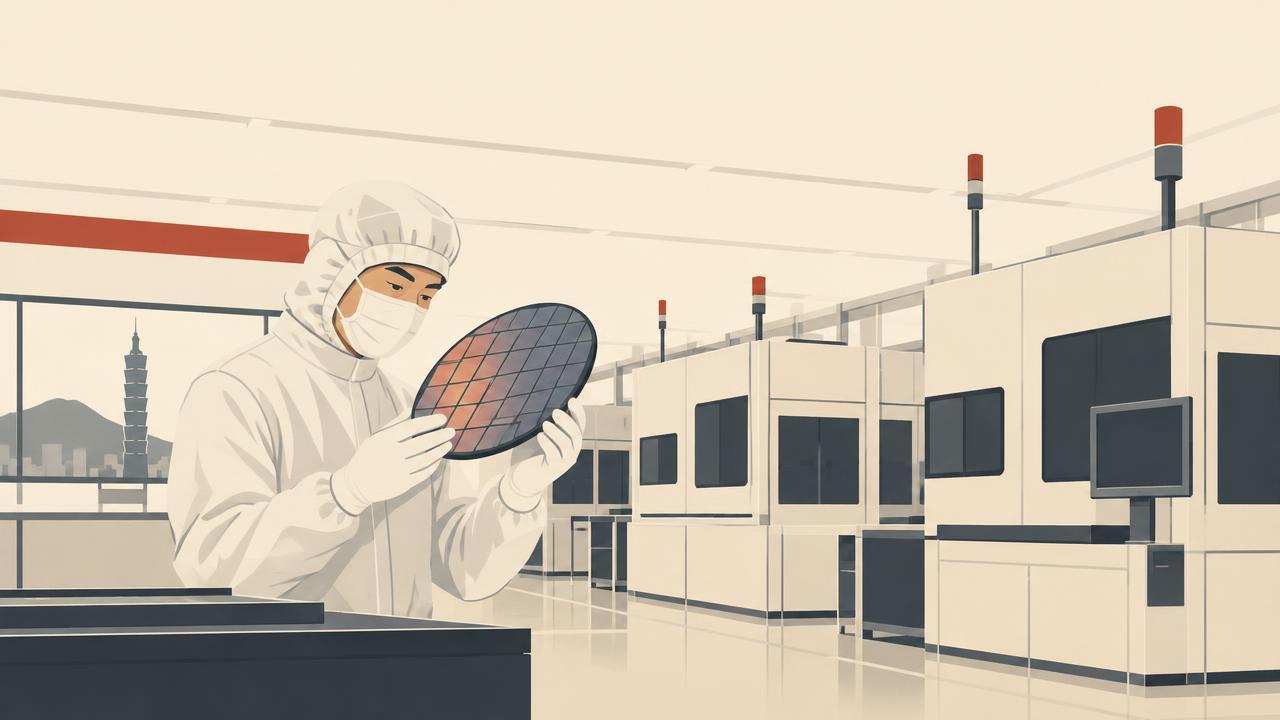
Jensen Huang has returned as Nvidia’s chief executive after resigning over revelations about multiple affairs, including one involving a woman linked to Chinese intelligence.
In this article · 2
Jensen Huang returned as Nvidia’s chief executive on Monday morning after previously resigning following reports of multiple affairs. They included relationships with a subordinate and with a woman tied to Chinese intelligence. His return prompted a positive market response, but it did not settle questions about the company’s operations and US national security.
Much of the artificial intelligence industry relies on Nvidia’s infrastructure, so many viewed Huang’s departure as an immediate threat to the business. Share prices rose after his return, particularly for cloud providers such as CoreWeave and Nebius; the Nasdaq gained 7% on the news.
Chips reaching China and security concerns
President Donald Trump told reporters that the US government had found no national security concerns arising from the affair. Questions nevertheless remain about how Nvidia chips were smuggled into China and how much the company knew.
Some of Huang’s defenders have questioned whether Alice Huang was really a spy. The source article says, however, that a substantial number of restricted chips reached China through her company. Over the weekend, The New York Times reported that Alice Huang maintained contact with a member of China’s Ministry of State Security during the period when she was having an affair with Jensen Huang.
Democrats control Congress, including investigative bodies such as the House Oversight Committee. They can therefore examine Nvidia’s potential role in violations of US export controls regardless of Huang’s return. With him back as chief executive, however, any new findings could have more direct consequences for the company as well.
Trump’s intervention and potential investigations
Trump’s involvement raises separate questions. According to the source article, the president called Nvidia’s board about Huang; the article describes this as an unprecedented presidential intervention on behalf of a corporate leader accused of posing a national security risk. Huang previously donated $25 million to Trump’s ballroom project, raising the question of whether the president acted in the interests of a donor.
Congressional investigations could establish whether the Department of Justice opened an inquiry into whether Huang committed a crime and whether intelligence agencies produced an official assessment that Congress could seek. Investigators may also focus on Commerce Secretary Howard Lutnick, who oversees export controls while retaining significant financial ties to the industry through Cantor Fitzgerald.
Nvidia’s board decided to remove Huang two weeks earlier. Since then, the cost of keeping him out has risen: company employees and partners published an open letter, the stock market fell, and the president ultimately intervened. Huang’s return, however, has not resolved the questions that could leave both the company and its leader under scrutiny in the period ahead.
Related articles More from the section.

US Chip Export Rules Put Asian Data Center Funding Under Pressure
Lenders have paused billions of dollars in financing linked to Chinese technology companies as new US chip restrictions threaten Asian data center projects, Bloomberg reported.
Regulation · November 25, 2026
Democratic lawmakers call for limits on advanced AI development
Several Democratic senators are urging immediate safeguards for advanced artificial intelligence, while Bernie Sanders is calling for a pause in its development.
Regulation · November 25, 2026
SpaceX receives approval for satellite network supporting orbital data centers
The US Federal Communications Commission has approved SpaceX’s Starmind project, which could involve up to one million satellites serving data centers in space.
