AI-generated text
Google employees urge CEO to block Pentagon use of its AI in classified systems
Industry · May 5, 2026
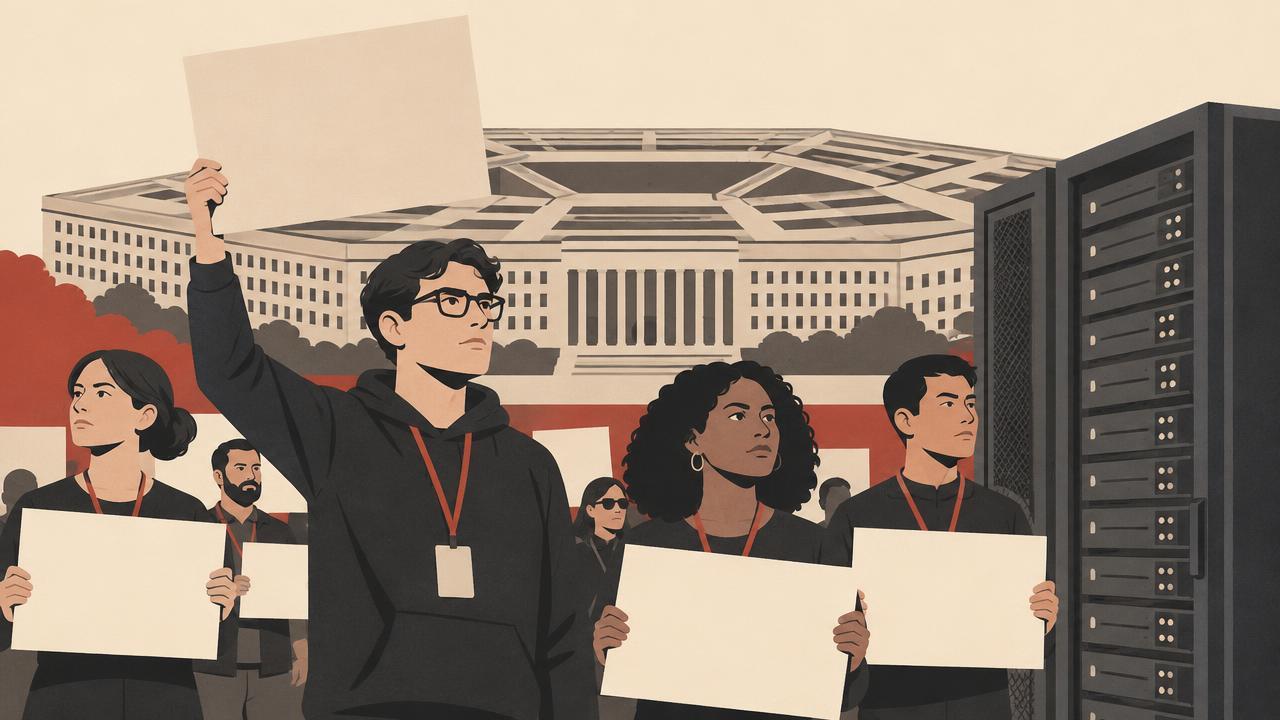
More than 600 Google employees have petitioned CEO Sundar Pichai to prohibit the Pentagon from deploying Google’s AI models in classified military environments, arguing that secrecy removes meaningful oversight.
More than 600 Google employees have signed a letter asking Chief Executive Officer Sundar Pichai to prevent the U.S. Department of Defense (the Pentagon) from using Google's artificial intelligence models in classified military systems. According to reporting in The Washington Post, many signatories work at the Google DeepMind AI lab; more than 20 of them hold senior positions such as directors and vice presidents.
The letter cites a report by The Information that Google is negotiating with the Pentagon to deploy its Gemini model in encrypted environments. The employees argue that one of the main problems with secret projects is the lack of meaningful transparency: if abuse occurs, it cannot be externally audited and often cannot be effectively checked from inside the company either.
A cited line from the letter states: “the only way to guarantee that Google is not associated with these kinds of projects is to refuse all classified workflows. Otherwise such uses could occur without our knowledge or authority to stop them.”
Background: why the dispute matters
Cooperation between the Pentagon and technology firms is not new, and major AI providers have taken different approaches. Anthropic has reportedly declined to allow its technology to be used for mass domestic surveillance or fully autonomous weapon systems without human oversight. OpenAI, by contrast, agreed to language permitting use of its systems for “any lawful government purpose.” Microsoft also has agreements to provide AI services in encrypted environments.
Reports suggest Google is discussing an agreement with the Defense Department that would allow its AI models to be used for “any lawful government purpose.” Although the reported deal would formally exclude mass surveillance and autonomous weapons without human control, critics say such restrictions are difficult to enforce in classified settings. Another core concern raised by employees is that Google would not have veto power over how the Pentagon uses its technology.
Company response and open questions
Google has said the partnership is consistent with principles of “responsible AI.” Some employees see the issue as more than fine-tuning: they view it as a fundamental shift in the company’s direction. It remains to be seen how much weight the internal protest will carry and what steps Google’s leadership will take in response.
The dispute sits within a broader debate about how to regulate cooperation between tech companies and the defense sector, the limits of transparency, and what responsible AI deployment looks like when it involves sensitive, classified military systems.
Related articles More from the section.

Pleschinger Sees Opportunity in AI Stocks After Market Declines
Gyula Pleschinger of Wood & Company believes the sell-off in artificial intelligence stocks may offer buying opportunities, although his team has reduced its exposure to the sector.
Industry · November 26, 2026
ING Expects AI Investment’s Growth Contribution to Peak in 2027
ING Bank expects spending on artificial intelligence to keep rising in 2027, even as its contribution to economic growth reaches a peak.
Industry · November 25, 2026
Tech Selloff Resumes as Neocloud Debt Concerns Grow
Technology stocks fell again on Wednesday as a rally following Jensen Huang’s return to Nvidia lost momentum.
