AI-generated text
Europe proposes education and regulation to manage AI's cultural and democratic effects
Regulation · July 13, 2026
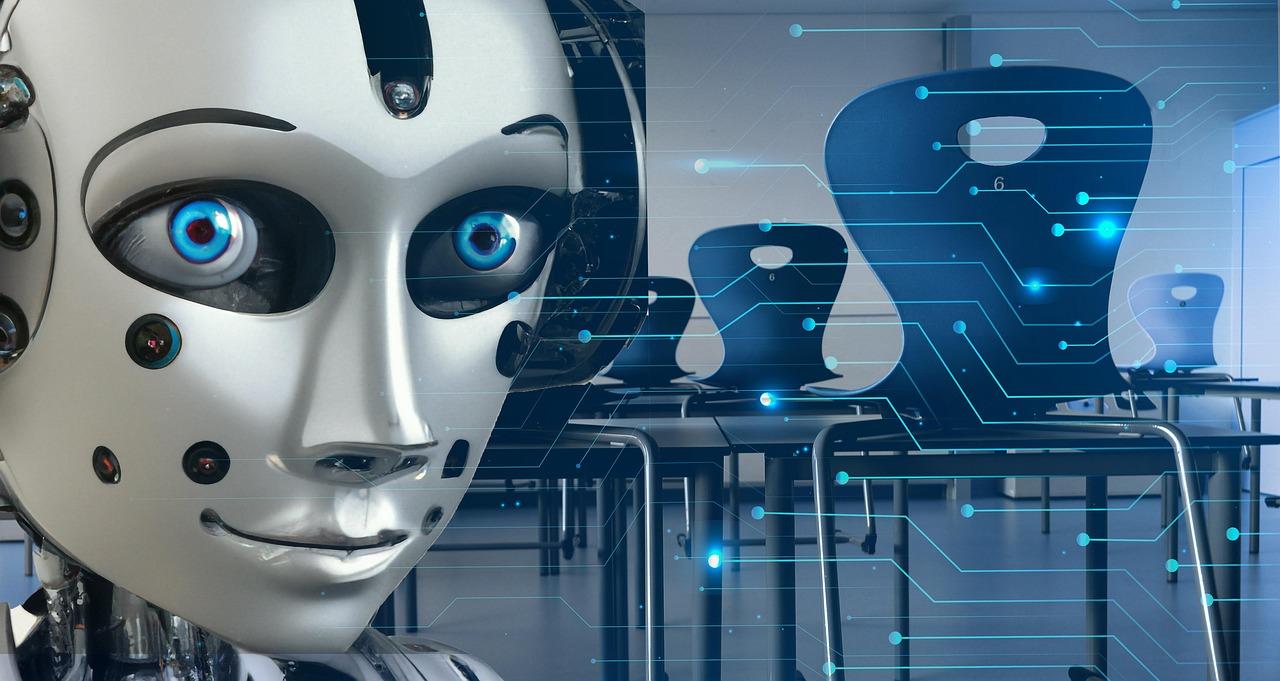
European People's Party MEPs argue that artificial intelligence is already reshaping how citizens access information and experience culture, and urge coordinated policy, transparency and education to protect democratic values and cultural diversity.
In this article · 5
A teenager browsing social media today can quickly encounter an AI-generated political “deepfake” speech, an AI-composed song, a false news story or a digitally reconstructed recording. It is no longer a question whether artificial intelligence will transform our societies — it already has — but how to equip citizens, especially young people, to navigate the new reality while preserving the values that define our democracies and cultures.
The European People’s Party (EPP) parliamentary group treats this issue not merely as a technological matter but as a debate about democracy, education, culture and Europe’s future competitiveness. The group argues that AI already affects how citizens access information, how cultural content is produced and consumed, and how young people relate to the world around them.
Transparency, accountability and the reliability of information
As AI-generated content becomes more prevalent, transparency becomes essential: citizens must know when and in what way artificial intelligence was used to produce text, images, audio or video. The article stresses that in the digital era trust depends not only on innovation but also on transparency and accountability. Addressing the risks of disinformation and manipulation is necessary to maintain social cohesion and confidence in institutions.
Cultural effects: opportunity and risk
AI is reshaping culture as well. The piece cites the example of John Lennon’s voice being digitally restored so the Beatles could complete the song Now and Then. This demonstrates how technology can augment human creativity, but also raises core questions about authenticity, copyright and artistic integrity.
According to a survey referenced in the text, more than eight out of ten Europeans prefer content created by humans over content generated by artificial intelligence. For many people, culture is more than production of material: it is self-expression, identity and human connection.
Regulation and the European Commission’s plans
While Europe has already taken important regulatory steps, the EPP argues that legislation alone cannot fully address the specificities of the cultural and creative sectors. The article calls for the artificial intelligence strategy that the European Commission plans to deliver as part of the European Cultural Compass by early 2027 to be ambitious, comprehensive and responsive to citizens’ concerns.
The text highlights that generative AI relies heavily on existing cultural and creative works, while creators often lack clarity about how their works are used and whether they receive fair compensation for the value derived from them. At the same time, recommendation systems increasingly determine what people see, hear and discover online; if those systems favor mass-produced, commercially predictable content, there is a risk that independent creators, minority languages and the cultural diversity central to Europe’s identity will be marginalized.
Education: first line of defence and greatest opportunity
The EPP contends that education must serve as the first line of defence: digital literacy, media awareness and AI skills should be regarded as core 21st-century competencies. Young Europeans must learn not only how to use AI tools but also how to recognise their limitations, critically evaluate information and spot manipulation.
Creators, cultural institutions and educational organisations should be supported to adapt to the rapidly changing digital environment. The authors warn that urgent action is needed because AI capabilities are developing faster than institutions, education systems and cultural policies can adapt.
A strategic choice for Europe
The EPP frames the EU’s choice as between allowing AI to shape societies primarily according to commercial imperatives, or ensuring that AI serves human creativity, democratic resilience and cultural diversity. The article concludes that the future will not be decided by algorithms alone but by the values embedded within them and by the citizens whom education equips to use these technologies. Done well, AI can expand rather than diminish our humanity.
Related articles More from the section.

Democratic lawmakers call for limits on advanced AI development
Several Democratic senators are urging immediate safeguards for advanced artificial intelligence, while Bernie Sanders is calling for a pause in its development.
Regulation · November 25, 2026
SpaceX receives approval for satellite network supporting orbital data centers
The US Federal Communications Commission has approved SpaceX’s Starmind project, which could involve up to one million satellites serving data centers in space.
Regulation · November 25, 2026
New York bans AI chatbot toys for five years
New York Governor Kathy Hochul has signed a five-year ban on the manufacture, distribution and sale of toys with integrated AI chatbots.
