AI-generated text
Automated 'Wardrobe' Labs Scale Human-Tissue Drug Testing, Shifting Economics of Trials
Industry · August 19, 2026
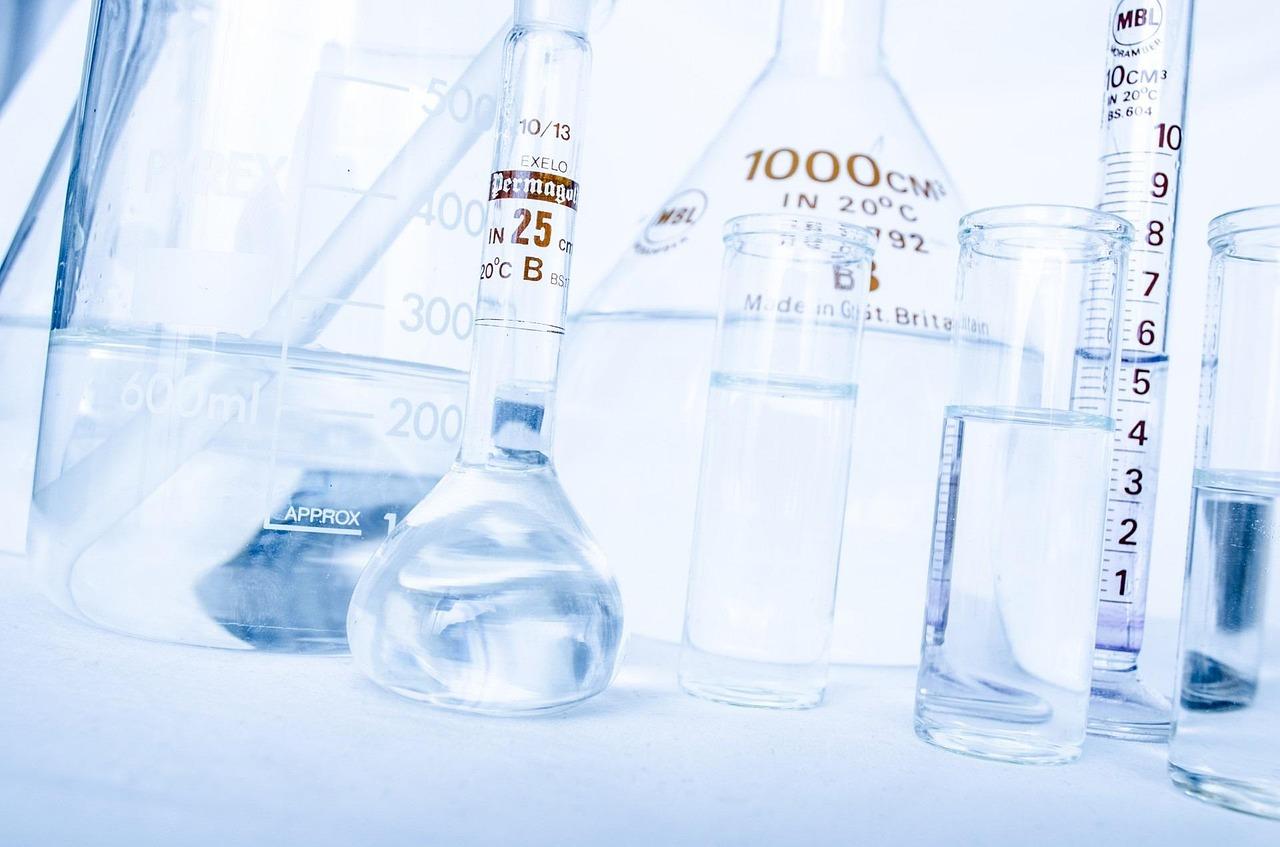
San Francisco startup Vivodyne has deployed 12 compact robotic laboratories that grow human tissue and run AI-designed drug experiments, performing about 3 million experiments per year—roughly twice the number of all U.S.
In this article · 5
Vivodyne, a San Francisco–based startup, has built 12 wardrobe-sized robotic laboratories that grow human tissue and execute AI-designed drug experiments. According to the company, these systems perform roughly 3 million experiments per year — about twice the number of all U.S. clinical trials combined.
How the system works
The platform operates in a closed-loop: AI designs experiments, robots carry them out on human tissues, and the experimental results are fed back to the AI to design subsequent rounds. Vivodyne says this approach has already helped major drugmakers terminate unsafe candidates and refine their targets.
Why this matters for drug development
Public discussion will likely emphasize replacing animal testing, but the deeper disruption is economic. Traditional drug development often entails placing a large bet on a single candidate — development of one drug can cost hundreds of millions of dollars, with high failure rates — and the most expensive phase has historically been testing.
Vivodyne's approach turns early testing into a portfolio operation: thousands of candidates can be tested simultaneously across human tissues before a single patient is enrolled. That shifts the role of the clinical trial from discovery toward validation, and validation is typically less costly than discovery.
Regulatory and ethical context
The report notes that the U.S. Food and Drug Administration (FDA) stopped requiring animal testing in 2022 in certain contexts. Proponents argue that the end of routine animal testing will be driven less by ethics and more by economics — because machines that run experiments faster and at greater scale than all animal labs combined have been built.
Remaining questions
The development could restructure risk management and cost dynamics in the pharmaceutical industry. However, the source does not provide detailed evidence about how these laboratory results translate to clinical outcomes, nor does it elaborate on the technology’s limitations or long-term regulatory integration. The ultimate economic and scientific impacts will become clearer in the coming years.
Brief summary
Vivodyne's robotic human-tissue platforms perform millions of experiments annually and may materially change the cost structure and strategy of early-stage drug testing. While the technology could significantly reduce reliance on animal testing and accelerate portfolio-based screening, further validation and regulatory clarification remain necessary.
Related articles More from the section.

Imagi CEO calls for AI education rather than bans
Imagi co-founder and CEO Pálfi Dóra argues that schools and workplaces should teach safe, effective AI use rather than prohibit the technology.
Industry · November 26, 2026
Pleschinger Sees Opportunity in AI Stocks After Market Declines
Gyula Pleschinger of Wood & Company believes the sell-off in artificial intelligence stocks may offer buying opportunities, although his team has reduced its exposure to the sector.
Industry · November 26, 2026
ING Expects AI Investment’s Growth Contribution to Peak in 2027
ING Bank expects spending on artificial intelligence to keep rising in 2027, even as its contribution to economic growth reaches a peak.
