AI-generated text
Xi Jinping pushes China’s global AI role as new coalition expands Beijing’s influence
Regulation · July 17, 2026
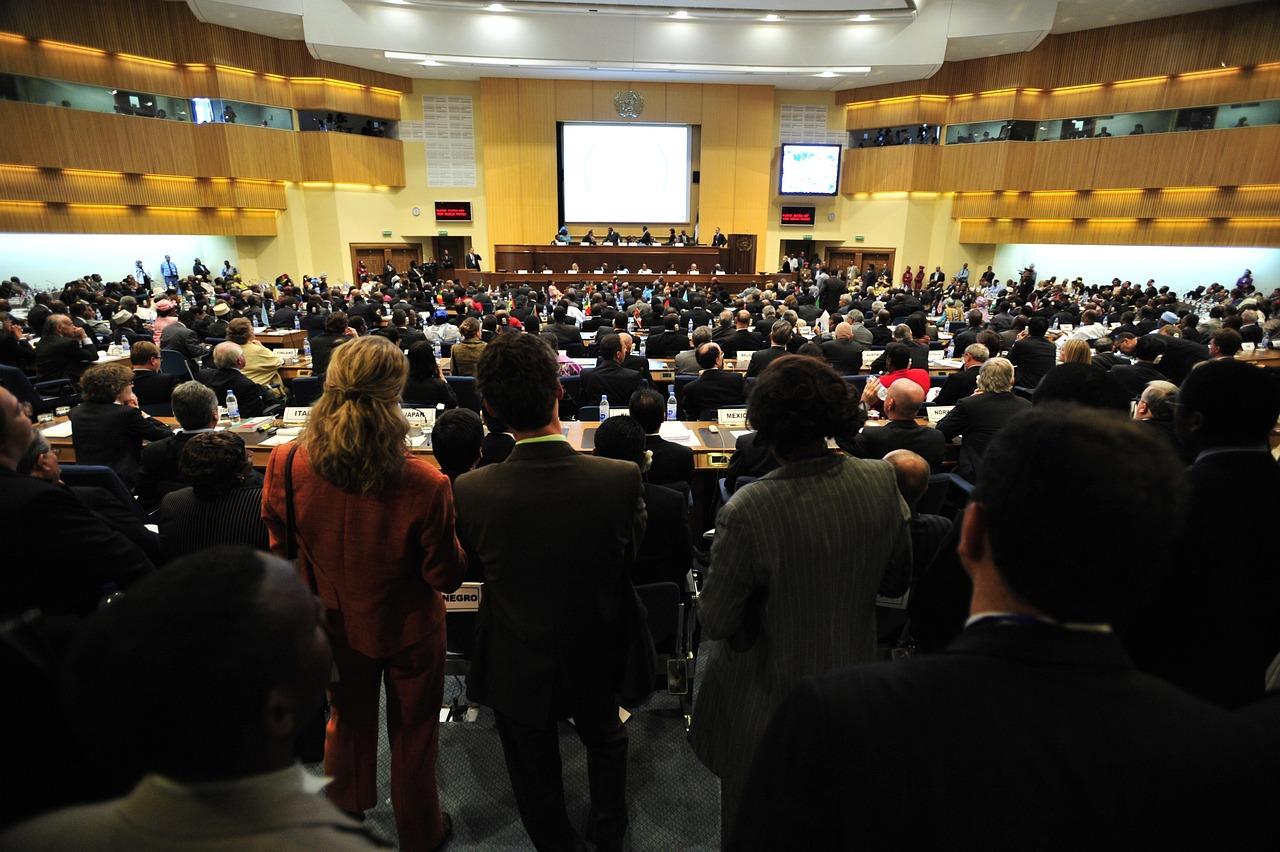
Chinese President Xi Jinping used a Shanghai AI conference to promote wider international cooperation on artificial intelligence while warning about the risks of losing control over rapidly advancing systems.
In this article · 6
Chinese President Xi Jinping spoke at a Shanghai artificial intelligence conference on Friday, calling for broader international cooperation on AI development while warning about the risks posed by the technology’s rapid pace. He emphasized the need to put measures in place in time to prevent loss of control as AI systems advance.
WAICO expands as nearly 30 countries join
Xi’s speech came one day after almost thirty countries — including Russia, Brazil and Indonesia — joined the World Artificial Intelligence Cooperation Organization (WAICO). Xi called the formation of the body an important milestone in the history of artificial intelligence and framed it as a response to calls from the global South for coordinated international action.
WAICO’s creation is expected by Beijing to increase its influence over international AI standards, at a time when Chinese-developed large language models are becoming stronger competitors to American alternatives.
China’s training promises and cooperation centers
Xi announced that China will provide 5,000 training and seminar opportunities to developing countries over the next five years and will establish international AI application cooperation centers. He also offered to share digital economy and AI technologies with Kazakhstan to support its digital transformation, addressing Kazakhstan’s President Kassym-Jomart Tokayev directly.
NDRC plan to promote open-source AI
The National Development and Reform Commission (NDRC) published an action plan on Friday pledging to promote open-source AI globally and to help other countries develop cost-competitive, open-source models as alternatives to Western solutions.
Chinese models and market moves
The report notes that Chinese AI startups have recently launched increasingly advanced large language models. For example, Moonshot unveiled a large language model on Thursday whose capabilities are said to approach those of leading American developers such as Anthropic.
Analysts quoted in the article say WAICO member states hope that closer ties with China will let them share in the country’s growing technological advantages. Several Western companies — including DoorDash, Siemens and Airbnb — are increasingly moving to Chinese models, which are often cheaper and can be run more easily on in-house infrastructure.
US export controls and dependency concerns
Attention has also focused on the risks of dependence on American technology: last month’s US export controls, which affected the Anthropic Mythos and Fable models, have highlighted vulnerabilities that drive some countries and companies to seek alternative suppliers.
Why this matters
China’s initiatives — the expansion of WAICO, the pledge of wide-ranging training programs, and promotion of open-source models — aim to strengthen Beijing’s role in shaping AI standards and applications globally. These developments could influence how governments and companies choose suppliers and models, and mark a new phase in the international technological competition.
Related articles More from the section.

Nvidia pauses some server shipments to Southeast Asia
Nvidia has told manufacturing partners to pause server shipments to four Southeast Asian countries while it reviews compliance with U.S.
Regulation · November 26, 2026
Lawyer warns companies of AI compliance and data protection risks
At the AI & Digital Transformation 2026 conference, Taylor Wessing lawyer János Kopasz warned that companies face regulatory risks even before the EU AI Act is fully applied.
Regulation · November 26, 2026
Pentagon Denies Report of Proposed Pressure to Restore Jensen Huang at Nvidia
The Washington Post reported that Pentagon leaders discussed using a Cold War-era law to pressure Nvidia over Jensen Huang’s return as chief executive, a claim a Defense Department official denied.
