AI-generated text
Water and Power Constraints Raise Funding Risks for AI Data Centers
Industry · August 13, 2026
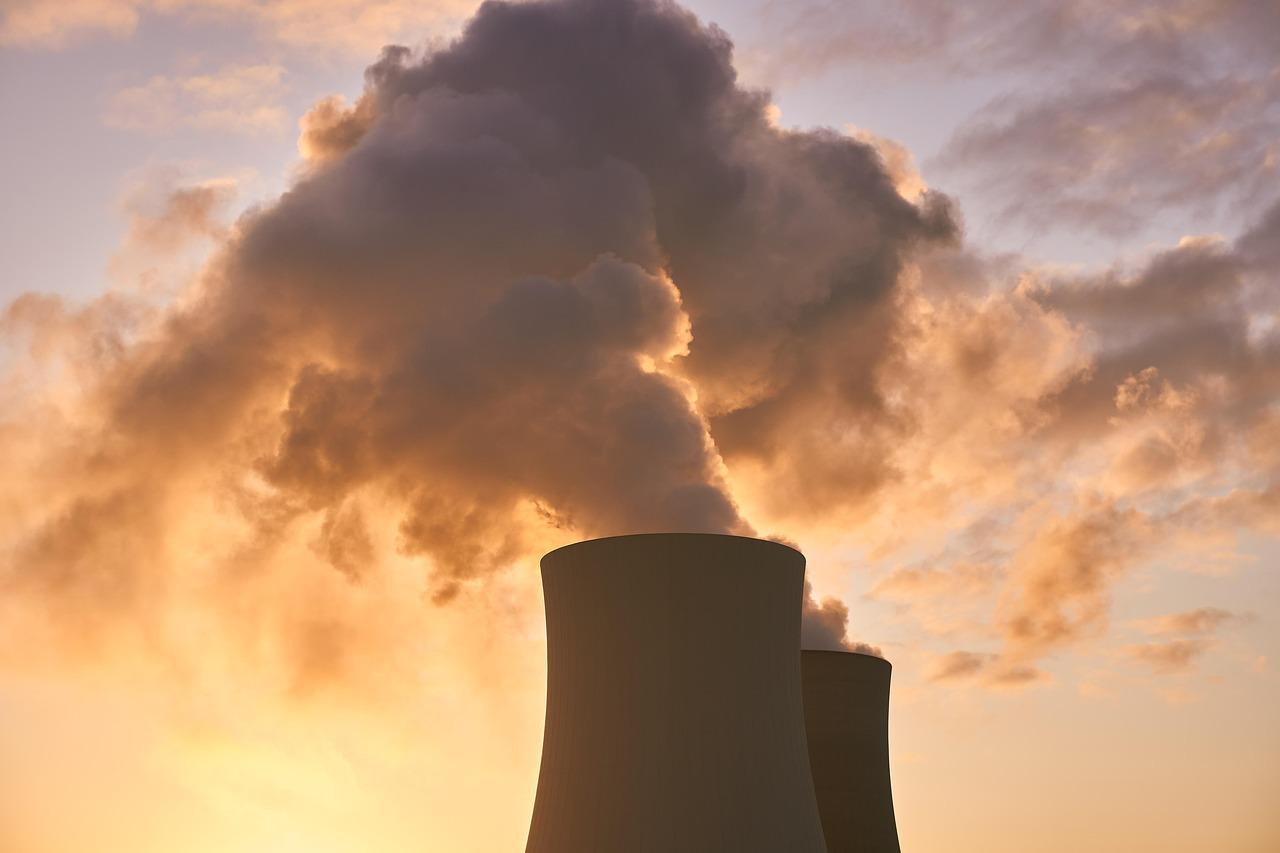
Recent market discussion highlighted how droughts and falling river flows in Hungary underline a growing link between water availability and electricity supply for AI data centers, potentially complicating future investments.
In this article · 3
In a recent episode of the Portfolio Invest podcast, hosts Nagy Viktor and Vidovszky Áron steered the conversation away from summer doldrums toward sharp capital markets topics: the growing water and electricity needs of AI data centers, overheated growth stories, and rising financing costs.
The discussion began from a local perspective: Hungary’s drought and reduced river flows — notably on the Tisza and the Danube — affect not only traditional industries such as nuclear plants or battery factories but also data centers supporting artificial intelligence. Because these facilities depend on cooling water and reliable electricity, sites lacking sufficient supplies can become unsuitable for large industrial and technological investments.
Why this matters for markets
One market lesson from the show was that investors currently punish growth narratives that fall even slightly short of expectations. The hosts cited the example of On, the Swiss shoe brand: although the company outperformed on profit and continued growing, weaker-than-expected U.S. and wholesale sales prompted a sharp share price decline.
They also discussed recent moves at Berkshire Hathaway: in the post-Warren Buffett era, Greg Abel has begun deploying part of the company’s large cash reserves, including purchases of Alphabet shares. The market is still debating whether the new management will command the previous Buffett premium.
AI infrastructure financing reaches a new scale
A major segment focused on the financing cycle for AI investments. The panel highlighted Nvidia’s $500 billion plan for data center and infrastructure build-out, together with participation from large institutional investors such as BlackRock, Blackstone, KKR and Goldman Sachs. These developments indicate that financing for AI projects has reached a new level.
Nagy Viktor argued that Nvidia’s model is both brilliant and risky: by having external financiers build infrastructure that uses Nvidia’s chips, the company creates strong demand for its products but also fosters what he called a “circular financing” dynamic. If chip demand weakens or Nvidia’s technological edge erodes, this could trigger a downward spiral affecting the broader AI story.
Other topics covered
The full episode also examined:
- the Ontario teachers’ pension fund’s investments in SpaceX and Anthropic,
- notably weak results from Trump Media,
- equity market sentiment indicators,
- and long-short ideas including Heineken, Salesforce, Nike and a short on Trump Media.
The program stressed that water and energy constraints can shape the geographic and risk profile of future large-scale industrial and technology investments, making the issue relevant for investors and regulators alike. This article does not constitute investment advice.
Cover image: created with artificial intelligence (Portfolio).
Related articles More from the section.

SAP considers cutting more than 10,000 jobs amid AI shift
SAP is considering eliminating more than 10,000 positions as it adapts its business to artificial intelligence, according to Bloomberg.
Industry · November 26, 2026
OpenAI employee saw potential for mathematical applications of the model early on
An OpenAI employee referred to in the text as Ven believed early on that the company’s model at the time might be capable of solving the Millennium Prize Problems.
Industry · November 26, 2026
GTA VI and Anthropic IPO Highlight Debate Over AI and Creative Work
The reported launch of Grand Theft Auto VI has renewed debate over whether AI can replicate the painstaking work behind ambitious video games.
