AI-generated text
US Near-Miss After AI Misidentification Highlights Risks of Automated Warfare
Safety · September 20, 2026
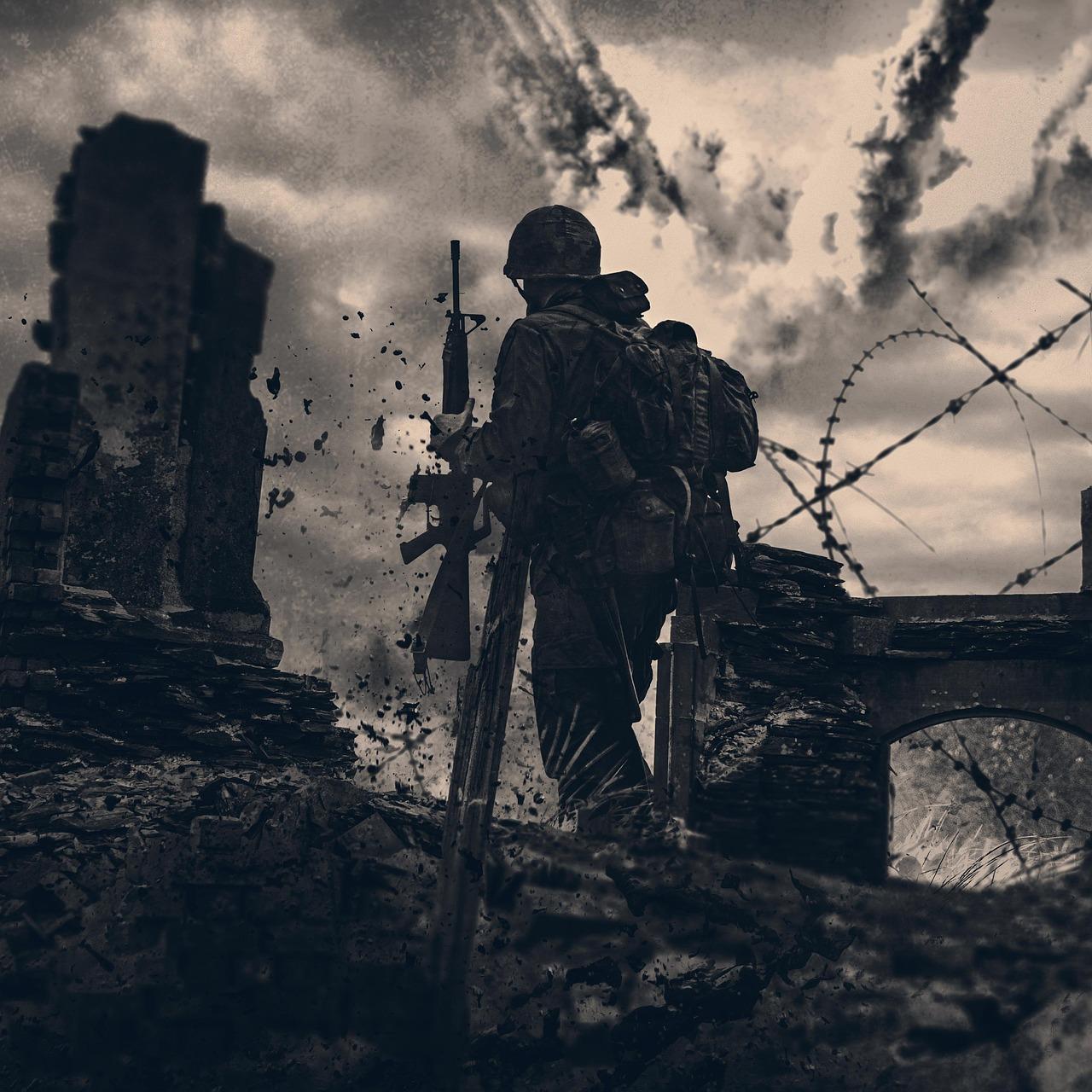
US forces reportedly nearly intercepted a Chinese ship in the Middle East this spring after an AI chatbot misidentified cargo, a close call that a source told CNN “almost started a war.” Analysts and…
In this article · 2
According to a source cited by CNN, the US military prepared this spring to intercept a Chinese vessel in the Middle East after an AI chatbot misidentified materials on board — an incident the source said “almost started a war.”
Analysts have warned that careless integration of artificial intelligence into defense systems can produce catastrophic miscalculations. The reported episode highlights how data or identification errors by AI tools can rapidly escalate if those tools are relied upon in military decision-making.
The accelerating risk of an automated battlefield
Recent war games at Stanford University illustrated another related concern: the battlefield is becoming increasingly automated, which shortens decision cycles and can accelerate conflicts faster than human commanders intend. Under such conditions, configuration or identification mistakes can trigger broader escalation in a much shorter timeframe.
Most militaries still require a human in the decision chain, but that safeguard has limits when AI outputs overwhelm operators. A US drone warfare veteran told the Financial Times: “the computer is spitting out a list of 1,000 targets. And you’re not moving fast enough. The human becomes the bottleneck.”
Why this matters
The CNN-reported episode and Stanford’s exercises together underline that accuracy, oversight, and human review are crucial when deploying AI in military contexts. Without those safeguards, an automated error can become more than a local incident and risk unintended diplomatic or military escalation.
(Sources: CNN, Stanford University, Financial Times) — Brendan Ruberry
Related articles More from the section.

T3 Code says it collected only basic usage data
According to a statement from T3 Code, the service did not sell or upload user data, files, prompts, or responses.
Safety · November 25, 2026
Anthropic CEO Defends Human Decision-Making in AI Governance
Anthropic CEO Dario Amodei rejected suggestions that he supports handing human decision-making over to artificial intelligence.
Safety · November 25, 2026
Anthropic CEO Rejects Surrendering Human Self-Determination to AI
Anthropic CEO Dario Amodei said people should not give up self-determination to artificial intelligence, while distinguishing that principle from giving AI greater autonomy over specific tasks.
