AI-generated text
US data-centre boom could drive gas demand to levels matching Japan and Germany by 2035
Industry · September 16, 2026
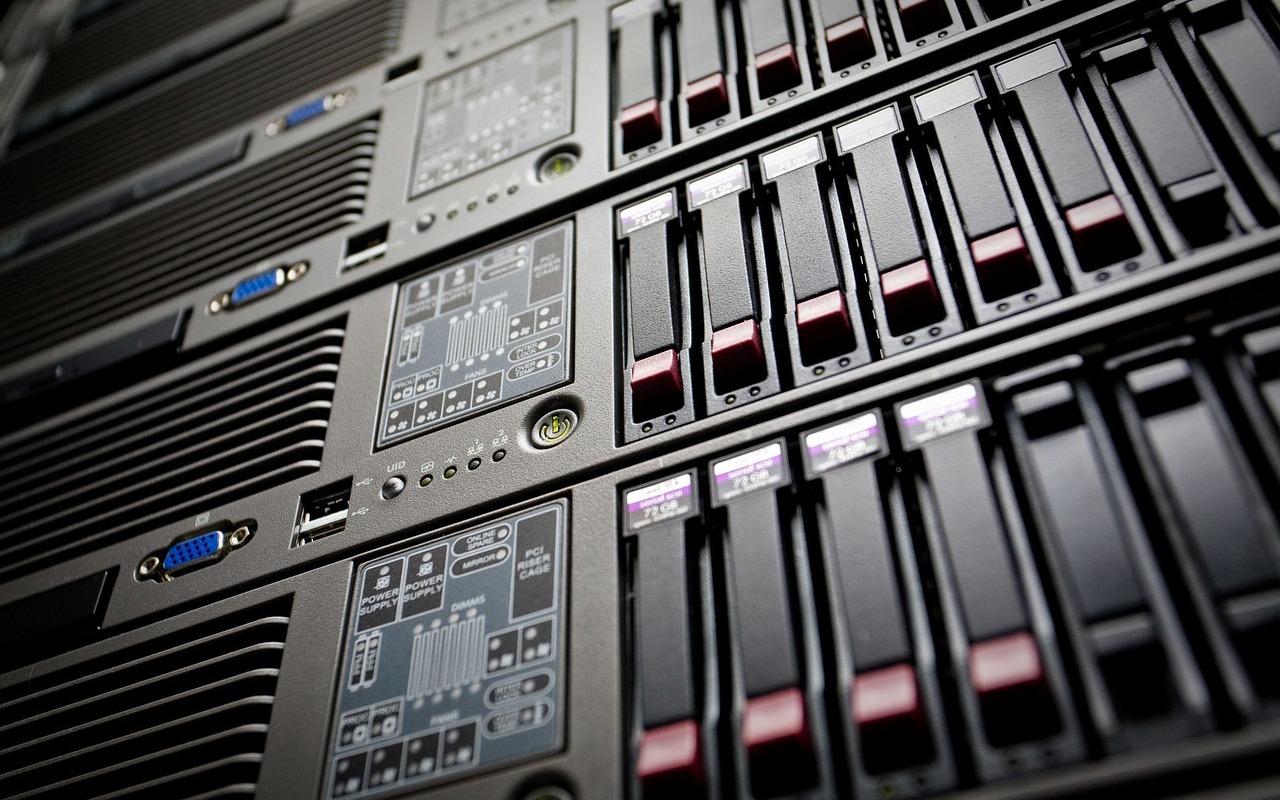
A BloombergNEF forecast warns that rapidly expanding AI-focused data centres in the United States could require about 510 million cubic metres of natural gas per day by 2035 — roughly the combined gas consumption of Japan and Germany.
In this article · 3
The United States is seeing a rapid expansion of data centres designed to serve artificial intelligence workloads, and those projects have provoked significant local opposition. In some places citizens ousted municipal leadership over a proposed data-centre project; New York state has imposed a moratorium on new data-centre construction; and in one Texas town controversy erupted after land that had been provided for a public park was instead sold to a company planning a data centre.
Beyond protest movements, political responses have emerged: the Governor of Texas has warned about the large energy consumption of data centres, and in some communities local leaders have received death threats when a data-centre proposal surfaced.
BloombergNEF forecast: sharp increase by 2035
According to a BloombergNEF report, by 2035 U.S. data centres serving AI workloads could require roughly 510 million cubic metres of natural gas per day. BloombergNEF notes that this quantity is comparable to the combined gas consumption of Japan and Germany. The new estimate is nearly twice the amount projected in an analysis published nine months earlier.
The report also highlights that on-site gas plants account for only a portion of the projected rise. Models indicate that grid-connected data centres alone would add about 425 million cubic metres per day of incremental gas demand within the energy sector.
Corporate moves and implications for energy supply
TechCrunch has reported that several major technology companies — including Meta, Microsoft and Google — have announced plans in recent months to build gas-fired power plants to partially bypass the conventional electricity grid and supply their own data centres.
This trend raises the prospect of upward pressure on energy prices and an increase in fossil-fuel-based power generation to meet the surge in electricity demand, with attendant environmental impacts if the additional energy is supplied from hydrocarbons.
Why this matters
The BloombergNEF figures underscore that the AI-driven boom in data-centre construction is not only a technical and economic issue but also has social, political and environmental dimensions. Local opposition and regulatory actions such as moratoria are occurring alongside the challenge of enabling energy-intensive services.
Policymakers, energy-sector actors and technology firms will need to weigh options for energy sourcing, grid and infrastructure development, and community concerns to avoid unacceptable social or environmental burdens as data-centre capacity grows.
Related articles More from the section.

Tech Selloff Resumes as Neocloud Debt Concerns Grow
Technology stocks fell again on Wednesday as a rally following Jensen Huang’s return to Nvidia lost momentum.
Industry · November 25, 2026
How to Assess the Business Impact of AI-Assisted Development
AI-assisted software development can be costly, and its returns remain uncertain.
Industry · November 25, 2026
Huang’s Conduct Admission Tests Nvidia’s Workplace Culture
Jensen Huang has acknowledged violating Nvidia’s code of conduct while arguing that a breach does not automatically require dismissal.
