AI-generated text
Ukraine’s battlefield drone data spawns an unregulated market
Regulation · September 4, 2026
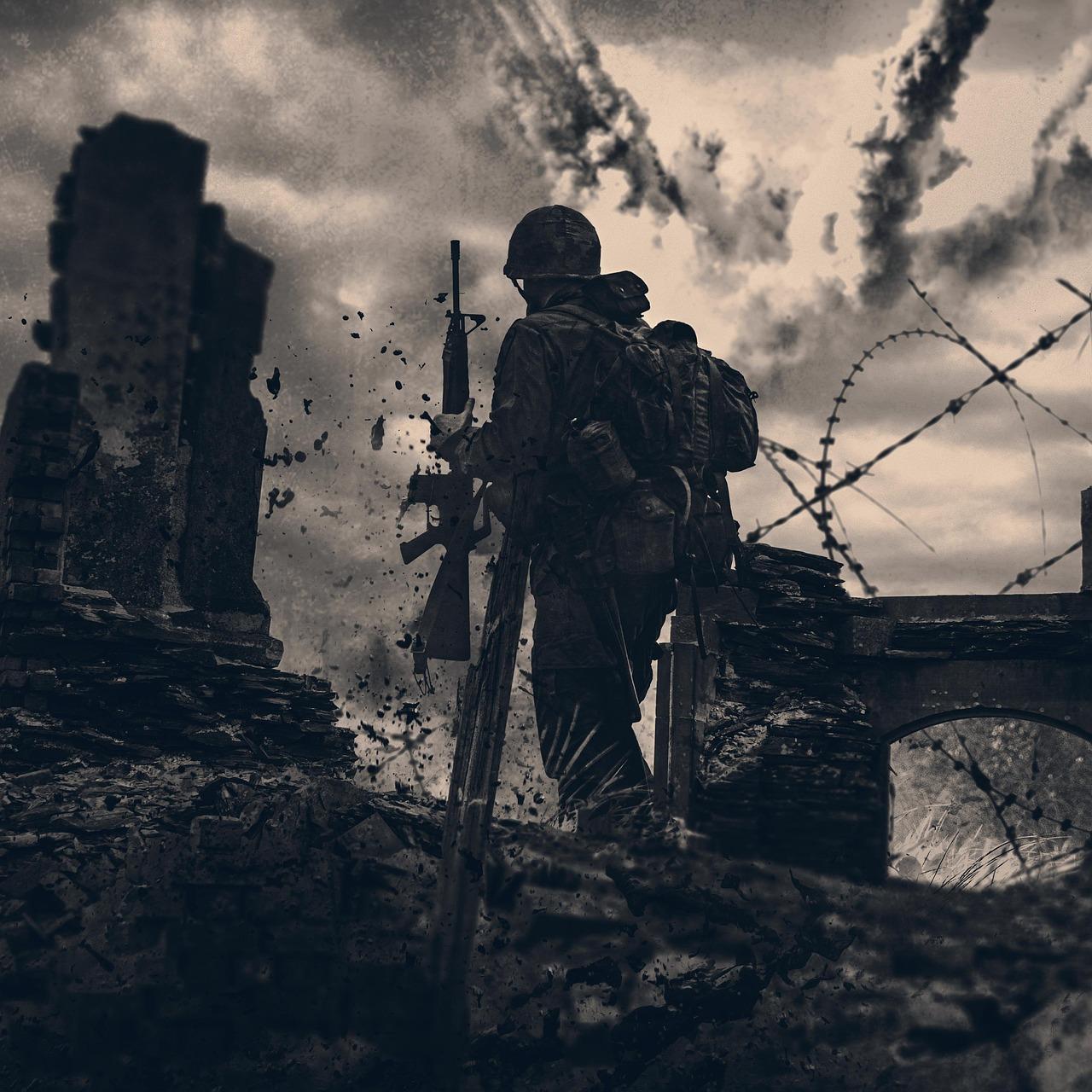
Ukraine has opened millions of drone-generated data points from tens of thousands of flights to defense contractors and commercial firms, with more than 100 companies and the UK government gaining access.
In this article · 6
Drones on Ukraine’s battlefields have become a defining element of modern warfare, but beyond physical wreckage they leave behind a growing stockpile of data: images, video, sensor readings and controller inputs captured on each flight. Those records document how machines and human operators reacted to rapidly changing, often chaotic conditions, and that information is now being converted into a resource for both defense and commercial development.
What Ukraine has done
In January, the Ministry of Defense of Ukraine announced it would make millions of data points collected during tens of thousands of drone flights available to military contractors and commercial firms. Since then, more than 100 companies and the UK government have gained access. For a country at war this is a way to attract funding and partnerships quickly, but it also turns the front line into an active training ground for AI models, leveraging wartime conditions that are difficult for developers to reproduce in controlled testing.
Why the data is valuable
AI training benefits most from rare, failure-prone moments — when visibility drops, signals jam, or operators improvise. Those exceptions occur far more frequently on a battlefield than in a lab, giving battlefield data a unique value as “machine experience.” That experience can improve robustness in other domains where systems must act with incomplete information and unpredictable human behavior, including civilian applications like delivery drones or remote sensing.
Processed and aligned with records of operator actions, combat flight logs become labeled training sets. As a result, combat becomes a commercial asset beyond its immediate military utility.
Market scale and actors
Enabled Intelligence, a US-based company that processes data for AI training, reports it has already made more than half a million hours of Ukrainian drone footage available for the next generation of models, promoting uses in military and commercial systems. The combination of large volumes of hard-to-reproduce operational data and commercial interest is expanding a new ecosystem around battlefield-derived datasets.
Risks: provenance, consent and extraction
Controls on buyers and scrutiny by intelligence services mitigate some risks of sensitive data reaching bad actors, but provenance remains difficult to trace once data is absorbed into models. Unlike conventional commercial datasets, where ownership and chains of custody can be tracked, the origin of training data often becomes obscured as it is embedded in models.
A central ethical problem is consent. Soldiers, targets and civilians recorded in combat footage did not agree to become training material for products that may be sold years later. Sensor logs and coordinates of civilians fleeing strikes can inform how future autonomous systems make decisions; mistakes and biases encoded in those datasets can propagate into civilian technologies.
There is also a geopolitical and economic risk: wealthier, distant countries and companies could profit from the mortal danger faced by frontline states, creating an extractive economy in which conflict zones are treated as ongoing sources of data value.
Regulatory gap and steps taken
Existing laws govern how wars are fought but say little about what happens when combat records are stripped of context, packaged as data, and licensed to firms whose products circulate globally. No single regulator currently oversees the lifecycle of battlefield training data.
Some measures are emerging. The UK–Ukraine AI agreement mentions access controls that Ukraine is developing, and Ukraine’s Avengers Labs program allows companies to train models on battlefield data without granting direct access to sensitive databases. Those mechanisms address parts of the problem but do not solve questions about downstream use, disclosure or long-term control.
Governments that provide battlefield data should treat its distribution like a controlled weapons transfer: documenting origin, licensing users, and restricting onward sharing. Regulators should require disclosure when models trained on wartime material are incorporated into civilian products so the path from combat to commerce is visible.
The core issue
What firms are extracting from battlefields is experience — human actions, reactions and risk-filled situations — turned into a competitive advantage for models and products used far from the sites where the data was collected. Soldiers and civilians cannot meaningfully consent to that extraction. To prevent abuses and reduce ethical and security harms, a regulatory framework must follow battlefield data from combat through model training to commercial deployment.
Cory Alpert, a researcher at the University of Melbourne who studies AI’s impact on democracy and previously served in the Biden White House, drew attention to these issues and called for policy responses.
Related articles More from the section.

Nvidia pauses some server shipments to Southeast Asia
Nvidia has told manufacturing partners to pause server shipments to four Southeast Asian countries while it reviews compliance with U.S.
Regulation · November 26, 2026
Lawyer warns companies of AI compliance and data protection risks
At the AI & Digital Transformation 2026 conference, Taylor Wessing lawyer János Kopasz warned that companies face regulatory risks even before the EU AI Act is fully applied.
Regulation · November 26, 2026
Pentagon Denies Report of Proposed Pressure to Restore Jensen Huang at Nvidia
The Washington Post reported that Pentagon leaders discussed using a Cold War-era law to pressure Nvidia over Jensen Huang’s return as chief executive, a claim a Defense Department official denied.
