AI-generated text
UK launches £90m AI-driven Atlantic Net to boost underwater surveillance
Industry · November 12, 2026
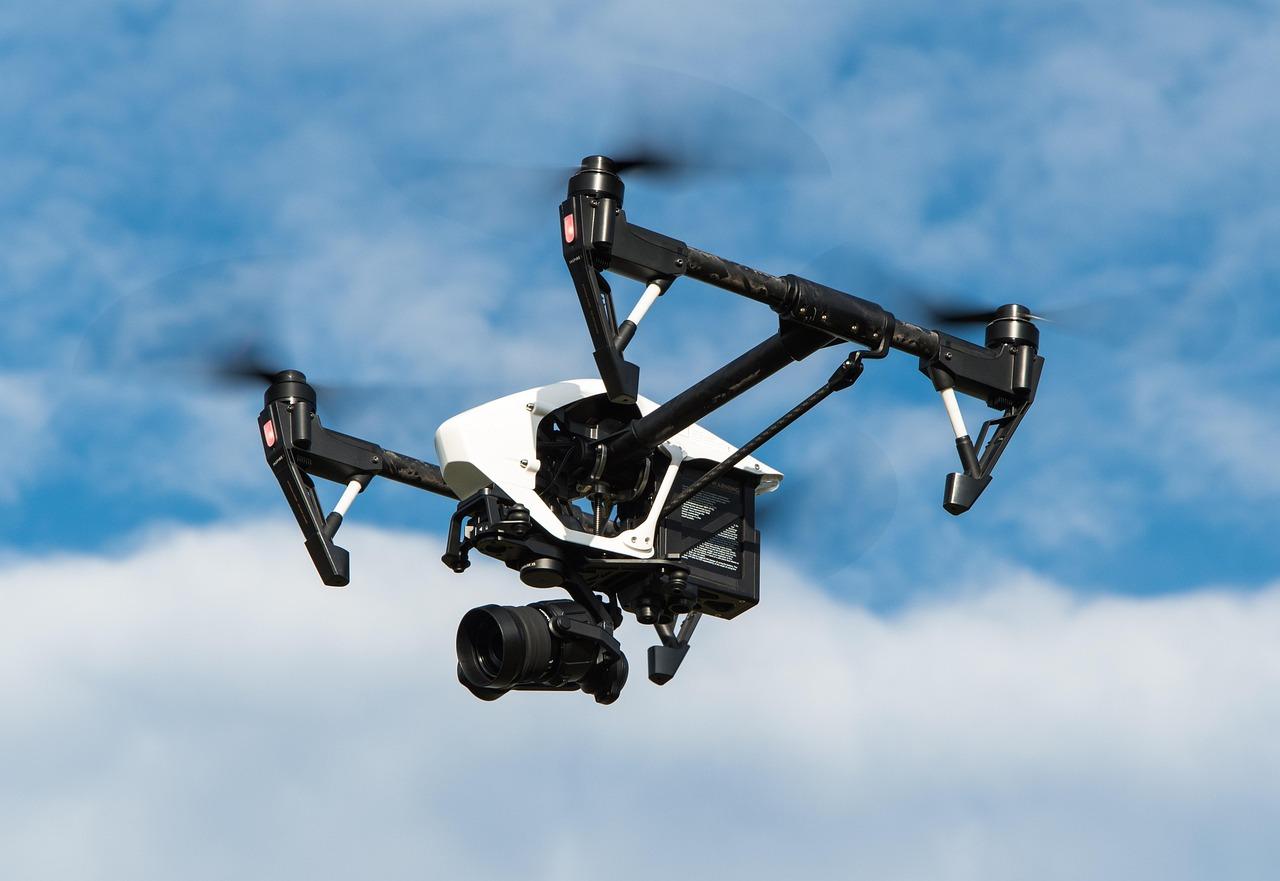
The United Kingdom has announced a £90 million investment to build Atlantic Net, an AI-enabled surveillance network of autonomous surface and underwater vehicles and seabed sensors aimed at early detection of Russian submarine activity and protection of undersea infrastructure.
In this article · 3
The United Kingdom has announced a £90 million investment programme to develop a new surveillance system built around artificial intelligence, maritime drones and seabed sensors. The initiative, led by the Royal Navy, is named Atlantic Net and aims to improve early detection of Russian submarine activity in the North Atlantic and to strengthen protection of critical undersea infrastructure.
Background and objectives
The announcement was made at an international maritime security conference in Oslo. Atlantic Net will be implemented as the first phase of a broader defence concept called Atlantic Bastion. Luke Pollard, the minister responsible for defence procurement and industrial readiness, said the programme will bolster protection of shipping lanes, undersea communications cables and energy pipelines, and will also contribute to the security of the UK’s nuclear deterrent.
The development responds to growing complexity in Russian submarine activity in the region, which poses dual challenges for NATO: tracking mobile targets while guarding fixed seabed facilities. The UK defence ministry referenced an April incident in which British, Norwegian and other allied forces monitored a coordinated Russian operation; according to the ministry’s assessment, a Russian hunter-killer submarine acted as a diversion while specialised units from the Russian Main Directorate of Deep-Sea Research (GUGI) operated near critical undersea infrastructure.
How the system will work
Atlantic Net’s concept is to integrate data from widely distributed unmanned platforms and seabed sensors into a single, shared intelligence picture. Ocean Infinity said the autonomous vehicles will be combined with minimally crewed ships, advanced data analytics and artificial intelligence. That approach is intended to significantly extend the detection range of anti-submarine frigates and Astute-class hunter-killer submarines, enabling commanders to deploy scarce conventional assets more precisely and efficiently to investigate suspicious activity.
Sir Gwyn Jenkins, First Sea Lord of the Royal Navy, said Atlantic Net could enter service within a few months. The more accurate situational awareness provided by the system is expected to benefit NATO and members of the UK-led Joint Expeditionary Force (JEF).
Unspecified technical details and next steps
Official releases so far have not specified the exact types of drones to be used, the sensor ranges, the initial geographical coverage, or the specific AI functions that will be implemented. Further technical and procurement details are likely to emerge as the programme moves through subsequent tendering and deployment phases.
The launch of Atlantic Net can be seen as a strategic response to the heightened vulnerability of undersea infrastructure and the increased maritime military activity in the NATO theatre. An AI assistant contributed to the preparation of this article, and the final content was edited and verified by our journalist.
Tags: drone, artificial intelligence, infrastructure, Norway, NATO, data analytics, defence industry, Atlantic Ocean, Russian Navy, Royal Navy
Related articles More from the section.

Why Commercial AI May Struggle to Develop Independent Taste
The source essay argues that genuine taste depends on the freedom to reject things, even when doing so is unpopular.
Industry · November 25, 2026
Amazon and Meta Reportedly Discuss Access for Muse Shopping Agent
Amazon and Meta have reportedly held several rounds of talks about allowing Meta’s Muse AI agent to connect directly to Amazon’s store.
Industry · November 25, 2026
European fund managers plan further AI investment despite measurement gaps
A survey of 125 European fund and asset managers found that 64% use AI in live business processes and 91% expect spending to rise over the next three years.
