AI-generated text
Trump proposes renaming artificial intelligence to "superintelligence" and to adopt SI in official US documents
Regulation · September 23, 2026
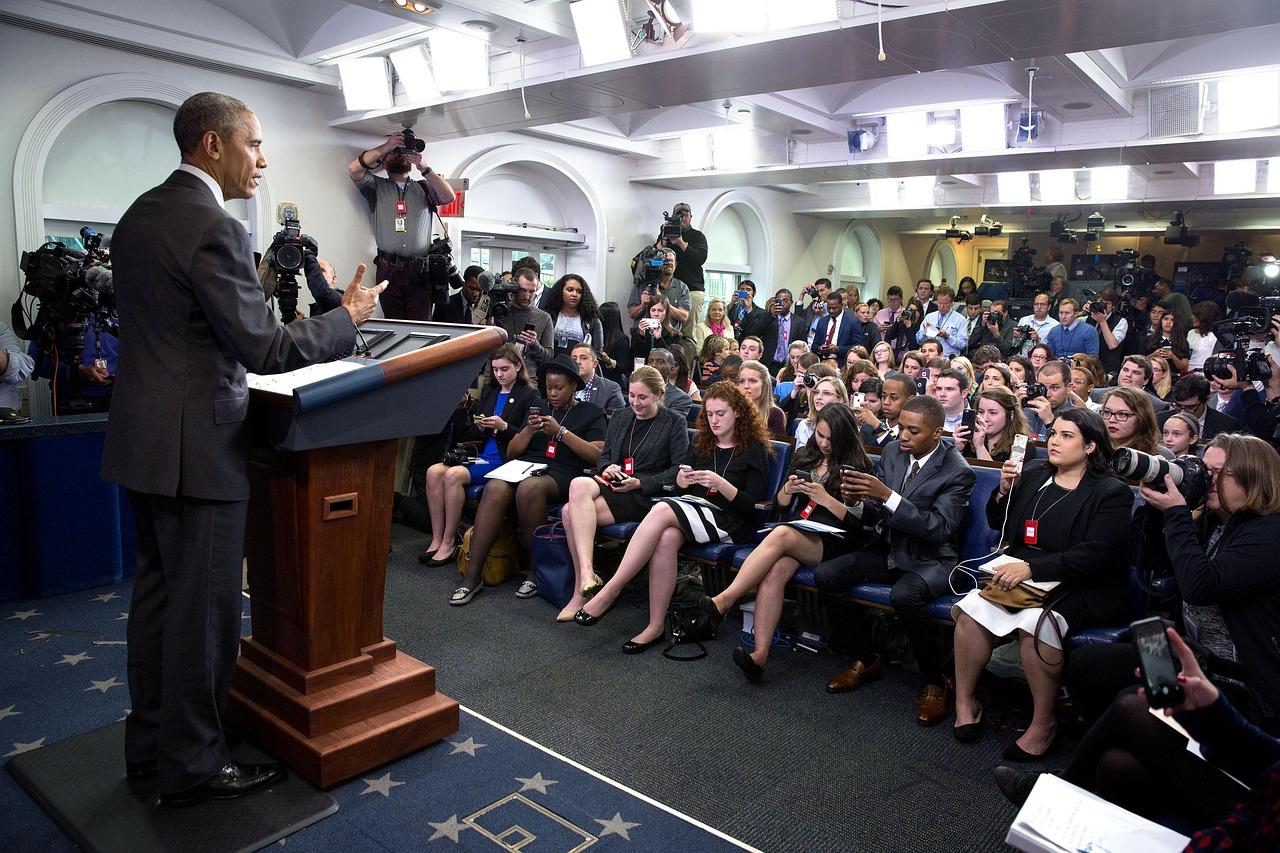
At the UN General Assembly and after a G7 working dinner in Évian, US President Donald Trump said he will call artificial intelligence "superintelligence" (SI) and wants the term adopted in official US documents.
In this article · 3
US President Donald Trump announced that he will refer to artificial intelligence (AI) as "superintelligence" and use the abbreviation SI in official US documents. He made the statement during a speech at the UN General Assembly, after attending a G7 working dinner in Évian, France, held June 15–17, 2026, where he was seated between Sam Altman, CEO of OpenAI, and Demis Hassabis, head of Google DeepMind.
How the rename was proposed
According to The Washington Post, the White House earlier asked Trump’s followers on his social platform, Truth Social, which term they preferred. The options offered resembled each other: "super intelligence" and "superior intelligence"; other posts also mentioned terms such as "extreme" or "extremal intelligence." Trump said that from now on the United States will use the SI abbreviation in government documents and hopes other countries will adopt the new technical term as well.
It remains unclear how and when the new term will be implemented into official texts; The Washington Post notes there is no precise timetable yet.
Emphasis on development and competition
In his UN remarks, Trump argued against slowing down the development of AI—now SI—and emphasized growth and US leadership in the field. "I will not stifle the growth of something that will be bigger than the Industrial Revolution," he said.
A few days earlier he wrote on Truth Social that he wants to appoint a new artificial intelligence adviser, an "AI czar," and create an AI task force in Washington.
Context: concerns and skepticism
The announcement comes at a moment when policymakers and the public have increasingly voiced worries about uncontrolled AI development: developers at major AI companies have sounded alarms about potential dangers, prompting calls for regulation. At the same time, skeptics remain; for example, Steve Eisman, who forecast the 2008 financial crash, has argued that companies with stakes in AI might have incentives to stoke panic over AI safety.
Trump’s proposed change of terminology and his insistence on rapid development could shape public debate and regulatory approaches, but concrete steps to implement the terminology switch and secure international adoption are so far uncertain.
Related articles More from the section.

Nvidia faces continued scrutiny over chips allegedly diverted to China
Jensen Huang’s return as Nvidia CEO has not ended questions about whether the company knew its chips might be diverted to China by customer Megaspeed.
Regulation · November 25, 2026
Maryland Governor Wes Moore Calls for Urgent Congressional Action on AI
Maryland Governor Wes Moore says Congress should treat artificial intelligence oversight as an emergency during the first 100 hours of Democratic control.
Regulation · November 25, 2026
Huang-linked firms used AI servers to secure Chinese data centre financing
Companies linked to Chinese businesswoman Alice Huang pledged AI servers and modules as collateral for data centre financing, according to central bank records reviewed by Reuters.
