AI-generated text
Tesla's rare-earth-free Cybercab motor could ease Chinese supply pressure on AI hardware
Industry · September 7, 2026
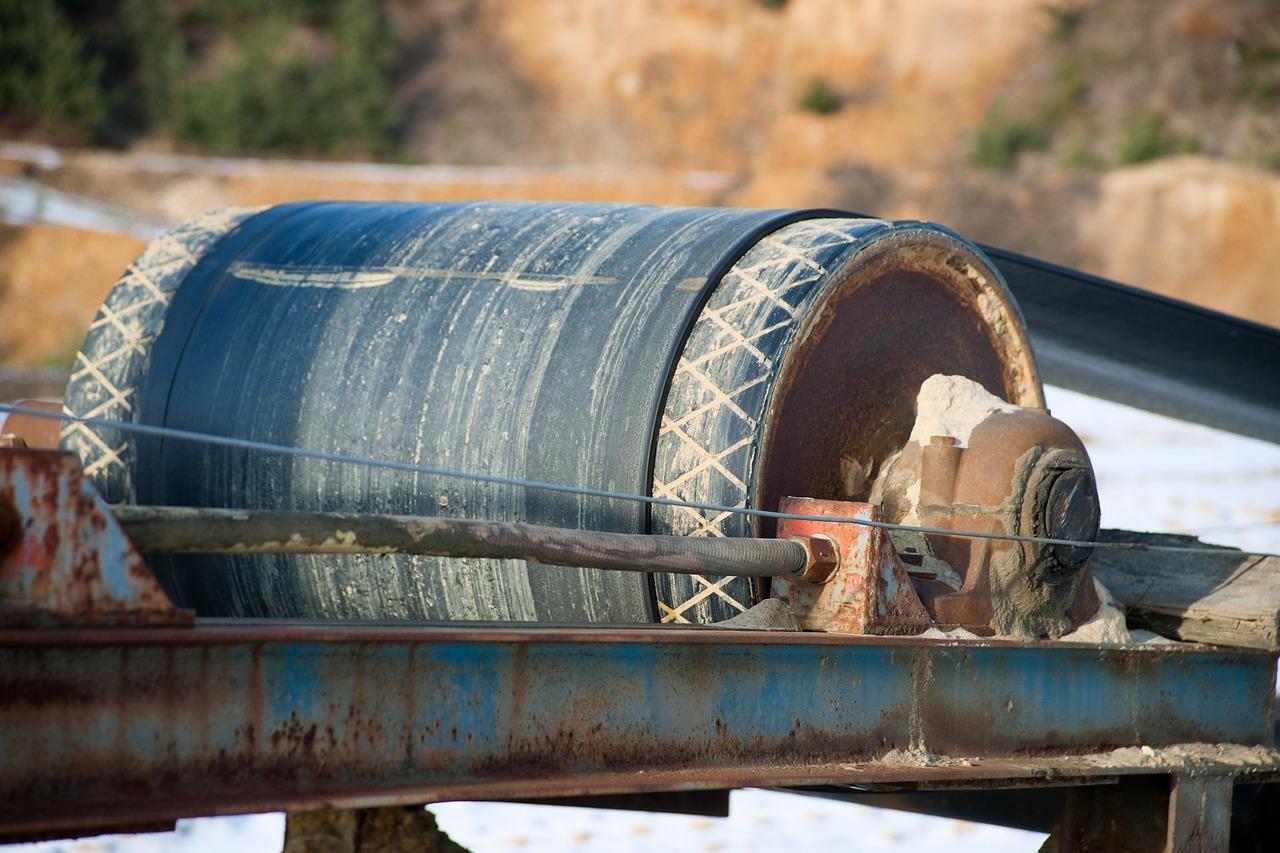
On September 3 in Austin, Tesla introduced a Cybercab electric motor that uses no rare-earth metals, is 18% smaller and 25% lighter than its predecessor.
In this article · 5
On September 3 in Austin, Tesla introduced the Cybercab electric motor, which the company says contains no rare-earth metals. According to the presentation, the new motor is 18% smaller and 25% lighter than previous designs and specifically contains no neodymium, a commonly used rare-earth magnetic material.
Why this matters
Strong permanent magnets made from rare-earth elements are used across modern industrial equipment, including machinery for semiconductor fabrication and data center infrastructure. Electric vehicle motors account for a substantial share of demand for these magnets; if Tesla successfully deploys a rare-earth-free motor at scale, it could shift overall market demand.
Chinese processing and export controls
Available figures indicate that China processes roughly 70% of the world’s rare-earth magnets. Beijing reinforced its market position by introducing export controls in October 2025. Those measures have increased perceived supply risk among non-Chinese manufacturers and end users.
Impact on AI and chip supply chains
Rare-earth magnets are components in equipment essential to chip fabrication — for example, lithography machines and wafer handlers. Many of those components rely on magnets processed in China. Tesla’s engineering does not directly change semiconductor manufacturing technology (for instance at TSMC fabs or in ASML lithography systems), but removing a major buyer — EV motors — from the demand pool would alter the demand equation. Reduced demand from a large consumer could lower price and supply pressure for other downstream users, easing some constraints on AI hardware availability.
Practical implications
- If Tesla’s motor can be scaled across its production, the single largest demand source for rare-earth magnets could shrink.\
- China’s processing dominance and the October 2025 export controls remain strategically important, but changes in demand could mitigate some of the market leverage those factors confer.\
- The net effect could indirectly raise the physical ceiling on AI compute by reducing a supply-chain bottleneck tied to rare-earth magnets.
Conclusion
Tesla’s Cybercab motor — promoted as 18% smaller and 25% lighter with no neodymium — does not directly alter semiconductor fabrication processes, but it may significantly change market demand for rare-earth magnets. Given China’s role in processing about 70% of these magnets and the export controls introduced in October 2025, a reduction in EV motor demand could lessen supply and price pressures on the chip and AI hardware supply chain.
Related articles More from the section.

SAP considers cutting more than 10,000 jobs amid AI shift
SAP is considering eliminating more than 10,000 positions as it adapts its business to artificial intelligence, according to Bloomberg.
Industry · November 26, 2026
OpenAI employee saw potential for mathematical applications of the model early on
An OpenAI employee referred to in the text as Ven believed early on that the company’s model at the time might be capable of solving the Millennium Prize Problems.
Industry · November 26, 2026
GTA VI and Anthropic IPO Highlight Debate Over AI and Creative Work
The reported launch of Grand Theft Auto VI has renewed debate over whether AI can replicate the painstaking work behind ambitious video games.
