AI-generated text
Tech CEOs, AI and Everyday Life: Convenience Versus Human Connection
Industry · November 1, 2026
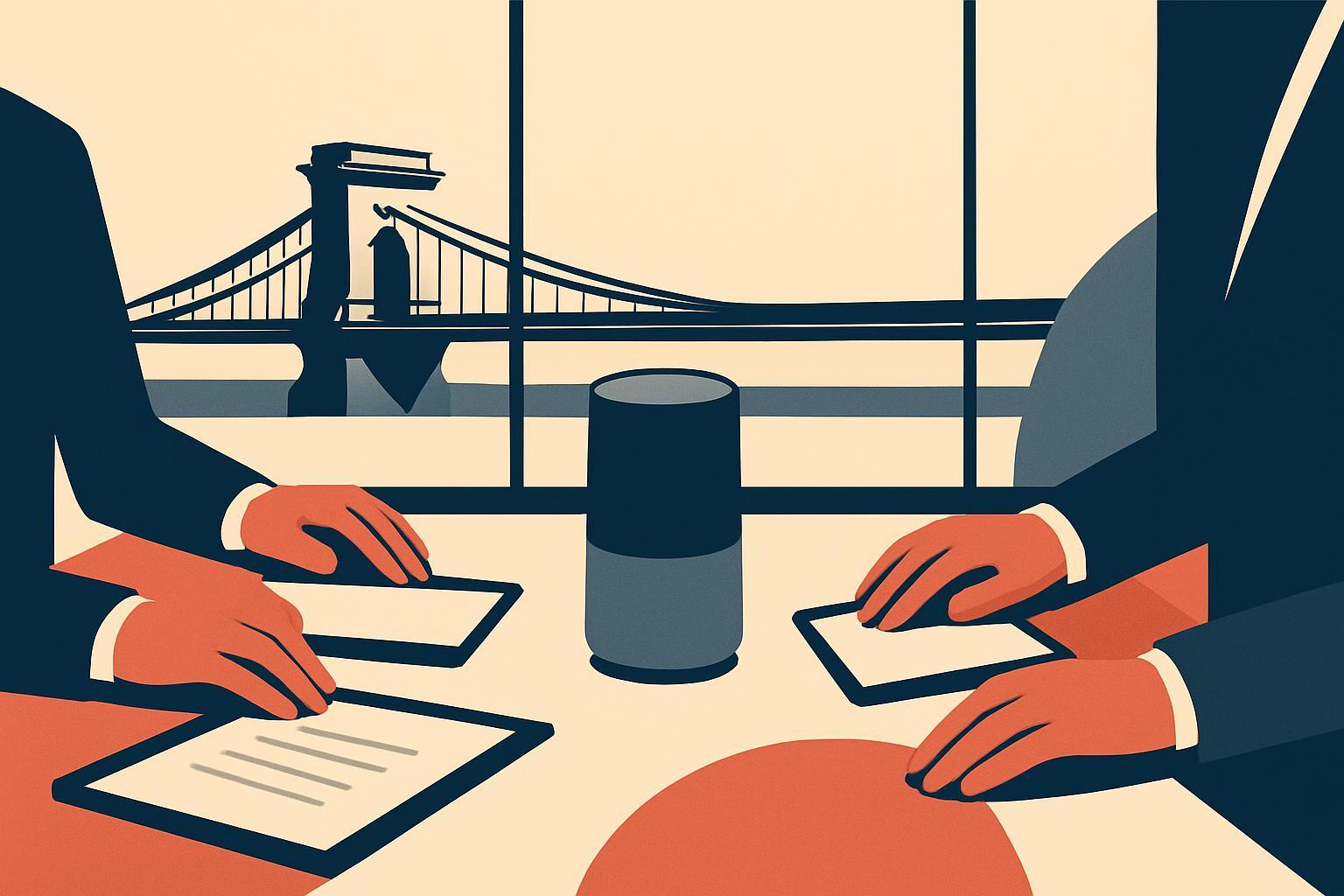
Several high-profile tech CEOs have drawn criticism for proposing AI-driven solutions to ordinary personal tasks, prompting debate about whether industry leaders are out of touch with everyday users.
In this article · 4
Several high-profile tech CEOs have recently faced criticism for proposing AI solutions to ordinary personal tasks in ways that many people find out of touch.
Marissa Mayer, CEO of Dazzle AI, drew attention after using an AI tool to help with a school assignment for her daughter. Sam Altman, CEO of OpenAI, suggested parents create personalized podcasts for their children’s drives to school and said he could not imagine parenting without ChatGPT. Mark Zuckerberg, CEO of Meta, has proposed that it may become increasingly acceptable to meet social and romantic needs through AI. Whitney Wolf Heard, CEO of Bumble, has discussed AI concierges in which one person’s AI would date another person’s AI and then introduce the humans if the AIs had a successful interaction.
Product issue, messaging issue, or both?
Amanda Silberling of TechCrunch asked whether these examples show that industry leaders are too detached to build products for ordinary users—an especially urgent question as Anthropic prepares to go public at a time when Wall Street is beginning to lose its appetite for heavy AI spending.
On an episode of the Equity podcast, Amanda Silberling, Kirsten Korosec, Sean O’Kane and Anthony Ha discussed why tech leaders sometimes appear tone deaf. Kirsten asked whether the problem is mainly marketing or a product problem. Amanda answered that it’s “a little bit of both,” arguing that the industry is pushing a future in which “basic human interaction gets more and more optimized out of actually occurring.” She added that, as an old-school preference, human conversation is probably a net positive for society.
Examples and public reaction
Participants noted that many of the executives’ examples reflect the pain points of their own, wealthier, tech-savvy circles—such as making dinner reservations or booking flights—tasks that are not frequent or painful problems for everyone. Amanda said that while tools like ChatGPT and Claude provide value for many people, the average user may not primarily value AI for booking flights or similar optimizations.
Anthony Ha compared the situation to early-stage tech products like Uber, which initially targeted a narrow set of early adopters in San Francisco; tech companies often presume that the behaviors of early users forecast broader consumer habits. In this case, however, he said that assumption has not yet held: many people dislike the idea that every experience in life should be optimized away and want to retain personal agency, especially in parenting and personal relationships.
Cultural tension: optimization versus human agency
The conversation also pointed out a cultural counter-movement: as parts of the tech industry push for more optimization, some people are reverting to analog choices—using flip phones or buying CDs—to avoid algorithm-driven experiences.
Amanda framed this as an unresolved tension over what optimization actually helps with and what makes people feel less human. The participants shared concern that some AI products and the narratives promoting them risk outsourcing personal decisions—about whom to date or how to parent—to algorithms, on the assumption that those algorithms know users better than they do.
Conclusion
The discussion suggests the issue is not solely a PR failure when executives make off-putting remarks, but also a product-strategy question about whom these services are for and which human values they optimize away. Wider social acceptance of everyday AI applications will depend on whether companies can sensitively address the needs and concerns of a broader public.
Related articles More from the section.

SAP considers cutting more than 10,000 jobs amid AI shift
SAP is considering eliminating more than 10,000 positions as it adapts its business to artificial intelligence, according to Bloomberg.
Industry · November 26, 2026
OpenAI employee saw potential for mathematical applications of the model early on
An OpenAI employee referred to in the text as Ven believed early on that the company’s model at the time might be capable of solving the Millennium Prize Problems.
Industry · November 26, 2026
GTA VI and Anthropic IPO Highlight Debate Over AI and Creative Work
The reported launch of Grand Theft Auto VI has renewed debate over whether AI can replicate the painstaking work behind ambitious video games.
