AI-generated text
Surging AI-related chip demand nearly doubles South Korea's October exports, lifting semiconductor revenues
Industry · November 1, 2026
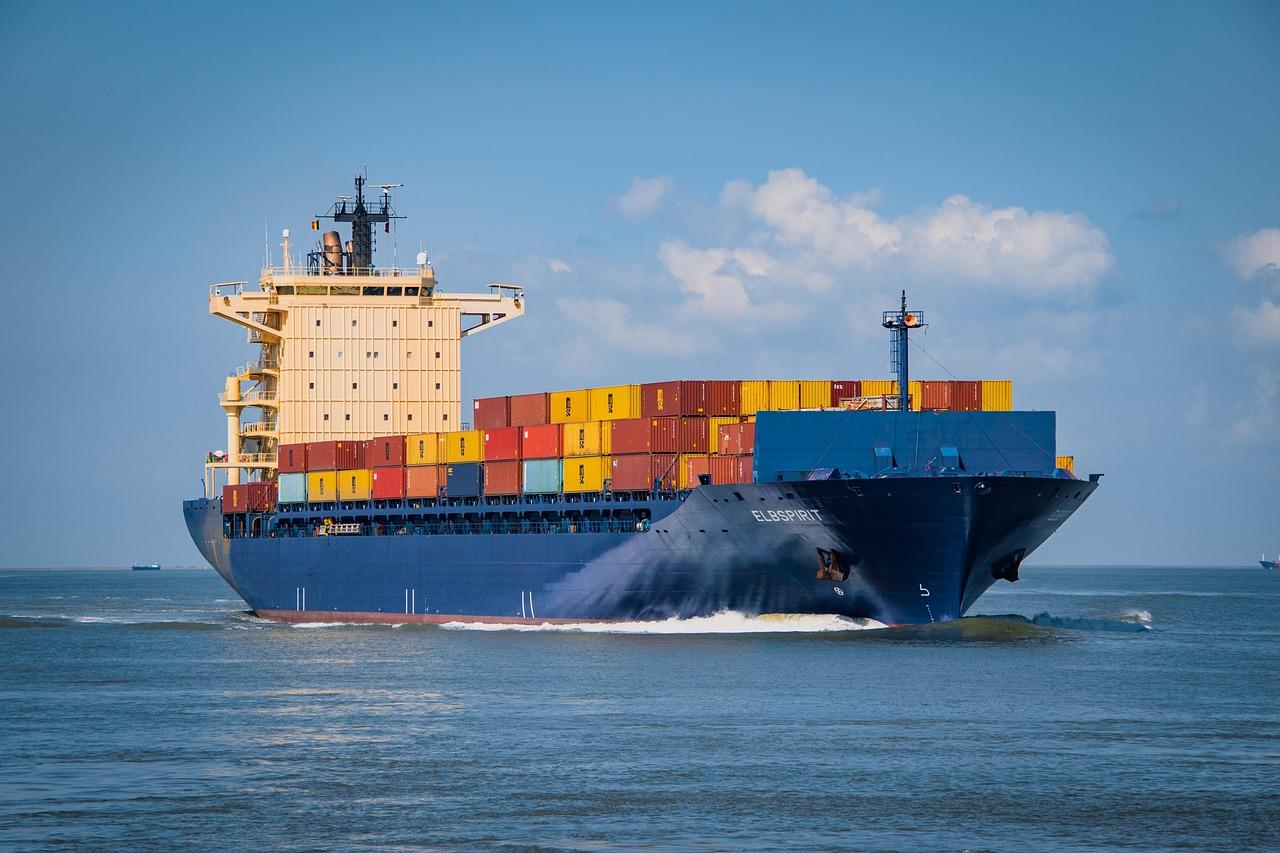
South Korea's October exports jumped 93.7% year-on-year to $115.3 billion, driven largely by a 259% surge in semiconductor shipments tied to AI hardware demand.
South Korea's exports rose sharply in October, increasing 93.7% year-on-year to $115.3 billion, driven largely by heightened demand for chips used in artificial intelligence applications, according to reporting based on Bloomberg data. Adjusted for working days, export growth was still substantial at 76.1%.
Imports expanded by 36% in October, leaving a trade surplus of $42.5 billion. Annual comparisons were partly affected by the timing of the Chuseok holiday, which fell in September this year but in October last year.
Semiconductors and other headline categories
Semiconductor exports surged 259%, reaching $56.4 billion and accounting for nearly half of total exports. Computer exports increased 497%, petroleum product exports rose 80%, and vehicle exports were up 18%.
Earnings and investment plans from chipmakers point to strong demand: SK Hynix reported a quarterly profit that was seven times higher than previously, while Samsung Electronics plans to raise its capital expenditures by more than 60% this year.
Market reaction and investor concerns
Despite the strong trade figures, the data arrived amid a sharp sell-off in technology stocks. Results and guidance from Amazon and Intel renewed investor doubts about the return on the large sums being allocated to AI infrastructure. On Friday, the South Korean Kospi index fell 3.5%; SK Hynix's share price declined about 7% and Samsung's about 3%.
Implications for monetary policy and the broader economy
The export momentum could support the case for an interest-rate increase by the Bank of Korea at its November 26 meeting. However, the economic recovery remains uneven: GDP grew 1.0% quarter-on-quarter in the third quarter, machinery and equipment investment rose 4.1%, while private consumption fell 0.2%. Inflation in September was 2.9%, above the central bank's 2% target.
Analysts note that South Korea's annual export value could surpass $1 trillion this year for the first time, which would make it the fourth country to reach that level after the United States, China and Germany.
Conclusion
October's data underline how global demand for AI hardware has sharply boosted South Korea's exports and semiconductor revenues. At the same time, market skepticism about the profitability of heavy AI-related investments is increasing short-term volatility in equity markets and could influence central bank decisions on interest rates.
Related articles More from the section.

Magyar Telekom expands Budapest data center for AI workloads
Magyar Telekom is investing several billion forints to expand its Budapest data center for conventional computing and AI-related workloads.
Industry · November 25, 2026
AI and commercial data requests put pressure on US public records offices
Public records offices across the United States are facing growing workloads as businesses collect government purchasing data and individuals use AI to draft requests.
Industry · November 25, 2026
Asian tech shares fall as investors question returns on AI spending
Asian technology stocks fell sharply on Wednesday after another sell-off on Wall Street, with Japanese companies exposed to the AI supply chain among the biggest losers.
