AI-generated text
Substack adds built-in AI detector to reveal AI-assisted newsletters
Tools · July 22, 2026
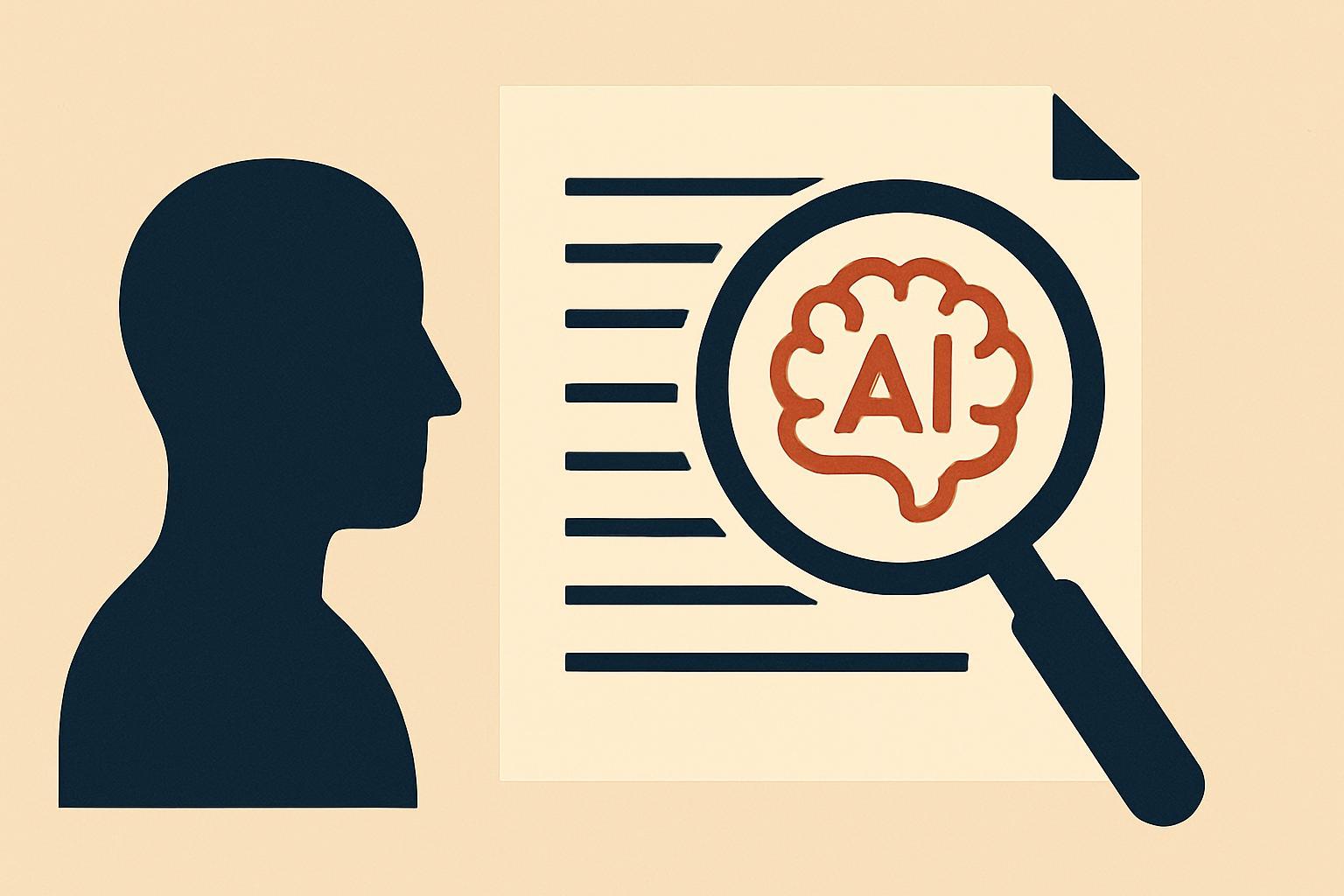
Substack has integrated Pangram’s AI writing detection into its app, letting users scan posts, notes, replies and comments to estimate how much content was written by humans versus AI.
In this article · 4
Substack has rolled out a new feature that can indicate how much of a given newsletter, post, comment, or reply was produced with the help of AI. The company integrated the AI writing detection software Pangram into its app, allowing users to scan Substack content to get an estimate of human-written versus AI-written portions.
How the feature works
- The detector can be used on any post, note, reply, or comment longer than 100 characters.
- Scans provide an estimate of what share of the text was written by a human and what share by AI.
- Publishers can run Pangram on their own drafts before publishing, and they can report and remove scans on their own work if they believe the tool made an error.
Short-term risks and long-term benefits
In the short term, the move could hurt Substack’s business because it may reveal that many newsletters on the platform are not fully human-written, potentially undermining trust in Substack’s ecosystem of independent news and blogs and affecting the platform’s reputation for high-quality content.
Over the long term, however, AI-detection tools may help prevent low-quality "AI slop," and encourage readers to trust that what they read was written by a person — or at least to better understand when AI was involved.
Transparency, not punishment
Substack says the tool is not intended to prohibit or penalize AI-assisted writing but to encourage transparency. Writers will be able to add an optional AI author’s note to disclose how they used AI and explain their process.
Substack CEO Chris Best commented in an online conversation with Pangram founder Max Spero that "This is good use of AI," adding that software should handle many tasks for writers but the essential creative idea — "the hard part" — should come from the human author.
Availability
The feature is available in the Substack app for content over 100 characters. Publishers have control over scans of their own work and can address mistaken detections. With this integration, Substack joins a number of platforms that are increasingly labeling AI-generated or AI-assisted content as AI becomes more involved in content creation.
Related articles More from the section.

T3 Code changes its user identification method
The open-source T3 Code project has stopped using Claude and Codex authentication files to identify users and switched to an estimate based on installations.
Tools · November 24, 2026
Amateur astronomers find possible signs of planets in public telescope data
Amateur astronomers Kevin Bond and Ethan Byrd independently searched public telescope data for signs of planets orbiting distant stars.
Tools · November 24, 2026
Development of an embeddable coding agent core underlies a command-line tool
An unnamed developer tool operates through a command-line interface because it is a thin wrapper built on the libfx library.
