AI-generated text
Starbucks Halts NomadGo Inventory AI Across North American Stores
Industry · May 22, 2026
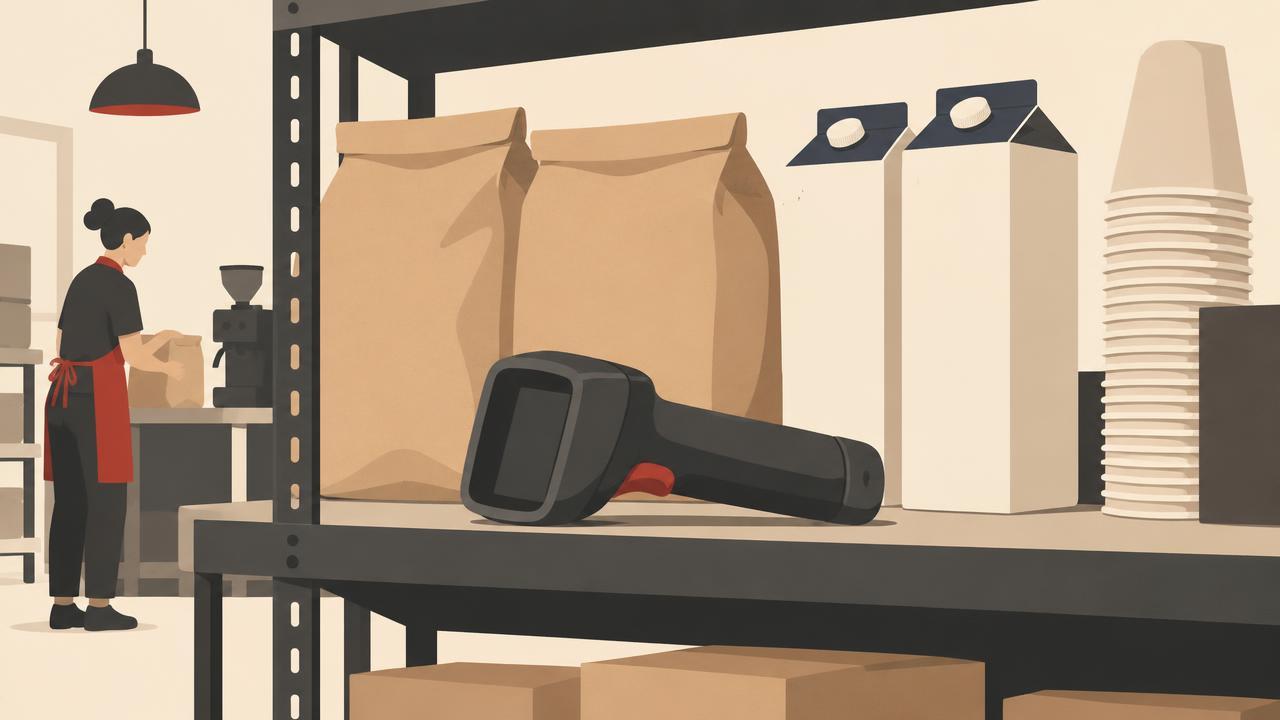
Starbucks has discontinued use of NomadGo's inventory AI in its roughly 11,000 North American locations, nine months after the system was deployed.
In this article · 4
Starbucks has discontinued the NomadGo inventory tool across its approximately 11,000 North American locations, nine months after the system was rolled out. The company cited accuracy and operational issues with the solution and broader shifts in available vision AI technology.
What the system was and who built it
NomadGo is a Bellevue‑based startup of roughly 50 employees that pivoted in 2024 from people counting to store inventory solutions. Its product used smartphone cameras, LiDAR and on‑device computer vision (CV) to scan shelves and identify products. NomadGo marketed the app as operating at 99% accuracy and being eight times faster than human counting.
After deployment, however, the app repeatedly confused certain SKUs — notably different types of milk — and had trouble with some product identifications, creating practical problems for store operations. Those recognition issues contributed to Starbucks' decision to remove the NomadGo system from its North American stores.
Technological context and market implications
NomadGo’s approach relied on classical, narrowly trained object detection running on phones: CV models optimized for specific SKUs. Since then, the market has been moving toward vision‑capable foundation models that can read labels or interpret products directly without per‑SKU retraining.
Analysts note that what NomadGo built resembles what classical computer vision achieved several years ago — a mobile, narrowly focused object detector — while newer foundation models bring different capabilities that reduce the need for SKU‑by‑SKU retraining. NomadGo shipped a pre‑LLM style AI into a market that is shifting toward LLM‑native, vision‑enabled systems.
What this means for retailers
Starbucks' exit sends a signal to other retailers still relying on 2022‑era CV vendors. The first measurable casualties in this AI transition may be vendors that did not upgrade to foundation models, rather than human jobs. The episode also underlines the importance for Fortune 500 buyers to evaluate not just whether a supplier offers “AI,” but what generation of AI technology they provide.
Conclusion
Starbucks removed NomadGo from about 11,000 North American stores after nine months of use, following SKU recognition problems such as mixing up milk types. The move highlights a broader shift in retail AI from traditional, per‑SKU computer vision systems toward newer vision‑capable foundation models and serves as a caution for enterprises buying AI technology.
Related articles More from the section.

SAP considers cutting more than 10,000 jobs amid AI shift
SAP is considering eliminating more than 10,000 positions as it adapts its business to artificial intelligence, according to Bloomberg.
Industry · November 26, 2026
OpenAI employee saw potential for mathematical applications of the model early on
An OpenAI employee referred to in the text as Ven believed early on that the company’s model at the time might be capable of solving the Millennium Prize Problems.
Industry · November 26, 2026
GTA VI and Anthropic IPO Highlight Debate Over AI and Creative Work
The reported launch of Grand Theft Auto VI has renewed debate over whether AI can replicate the painstaking work behind ambitious video games.
