AI-generated text
SpaceX readies a second Starlink constellation aimed at orbital AI data centers
Industry · June 9, 2026
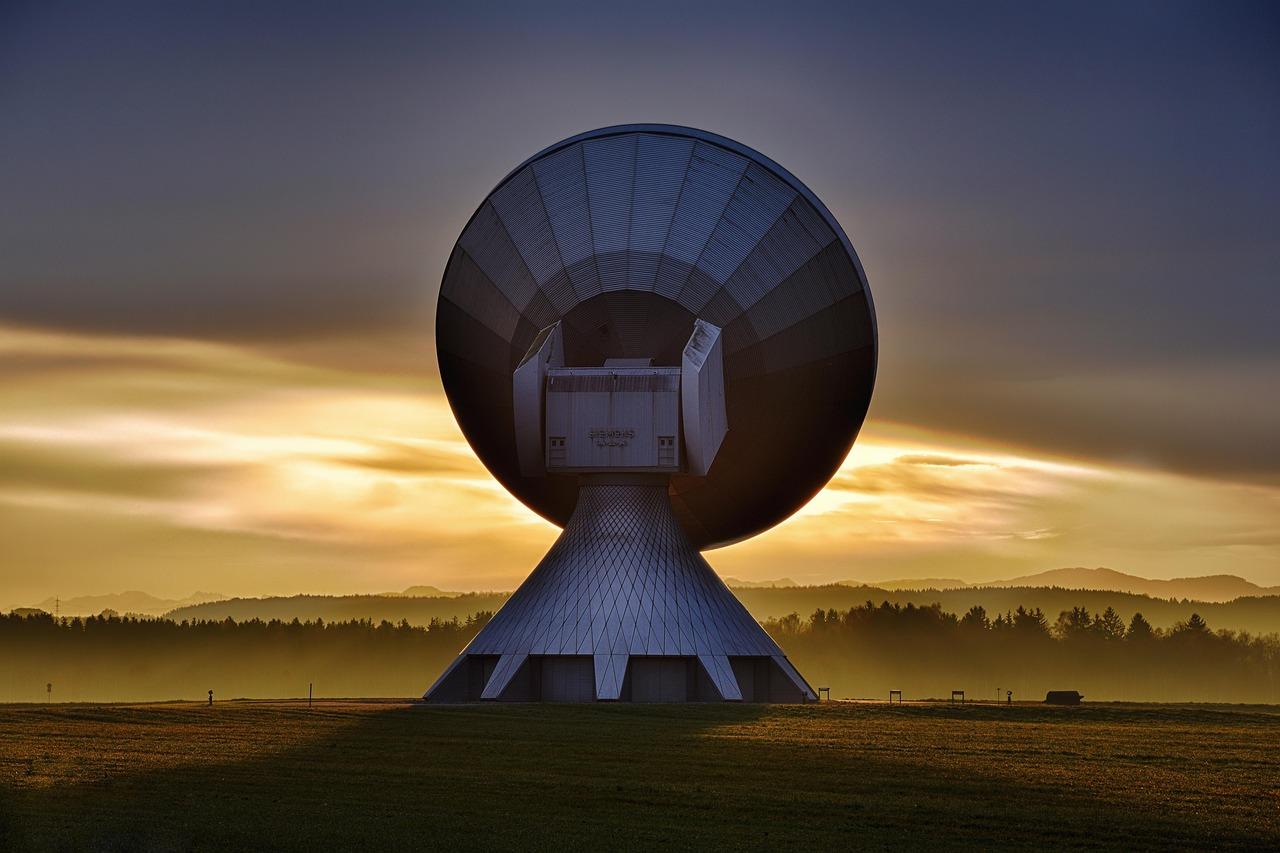
Days before an anticipated IPO valuing SpaceX near $1.75 trillion, Elon Musk told investors that orbital AI data centers are "not a super hard problem" and that the capability already exists in Starlink V3 satellites.
In this article · 5
Days before an anticipated SpaceX IPO that could value the company near $1.75 trillion, Elon Musk told investors that orbital AI data centers are "not a super hard problem." He said relevant capabilities are already present in Starlink V3 satellites, and that the first AI‑oriented satellite would provide about 150 kilowatts of peak power — roughly equivalent to a single Nvidia GB300 rack.
Manufacturing timeline
SpaceX expects the Bastrop, Texas factory to reach meaningful output by the end of 2027, suggesting the company could begin producing and launching AI‑optimized Starlink satellites on a commercially relevant scale within a few years.
What scale would be required?
Key scaling figures cited are:
- One satellite corresponds roughly to one rack (one satellite ≈ one rack).
- To reach a 1 gigawatt orbital datacenter would require about 7,000 such satellites.
- That scale implies on the order of 280 launches.
Those totals are large, but SpaceX already operates at high cadence: the company flies a Starlink mission approximately every three days and has launched over 12,000 satellites to date.
Technical rationale
Proponents argue orbit can avoid some of the limits faced by terrestrial AI infrastructure — notably the difficulty of adding gigawatts to the terrestrial grid quickly. In space, abundant solar power and vacuum cooling are potential advantages. According to Musk’s remarks, the main technical hurdles are addressable with the existing Starlink V3 design rather than being fundamentally new physics problems.
IPO messaging versus practical challenges
The timing of the statements coincides with SpaceX’s anticipated IPO and therefore also functions as part of investor communications. From a messaging perspective this can be interpreted as storytelling, but unlike many hyped claims, SpaceX already controls several prerequisites for the plan: frequent launch cadence and an extensive Starlink fleet.
Conclusion
SpaceX’s proposal to build a second, AI‑focused Starlink constellation rests on concrete figures: ~150 kW per first AI satellite, Bastrop factory ramp by end of 2027, and a requirement of thousands of satellites and hundreds of launches to achieve gigawatt‑scale orbital datacenters. The feasibility question is less about fundamental physics and more about operational choices, production and launch allocation.
Related articles More from the section.

SAP considers cutting more than 10,000 jobs amid AI shift
SAP is considering eliminating more than 10,000 positions as it adapts its business to artificial intelligence, according to Bloomberg.
Industry · November 26, 2026
OpenAI employee saw potential for mathematical applications of the model early on
An OpenAI employee referred to in the text as Ven believed early on that the company’s model at the time might be capable of solving the Millennium Prize Problems.
Industry · November 26, 2026
GTA VI and Anthropic IPO Highlight Debate Over AI and Creative Work
The reported launch of Grand Theft Auto VI has renewed debate over whether AI can replicate the painstaking work behind ambitious video games.
