AI-generated text
SpaceX outlines 'Starmind' orbital data-center plan as an alternative to terrestrial grid constraints
Industry · August 6, 2026
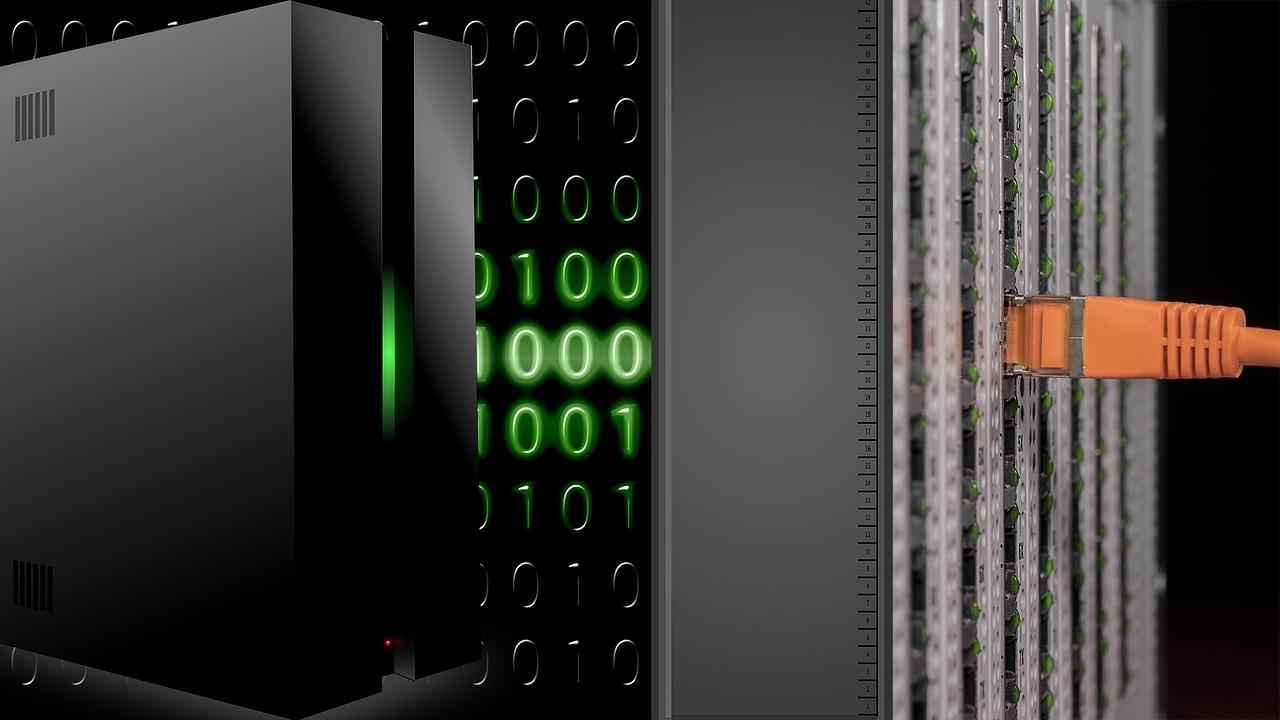
SpaceX disclosed Starmind, a concept to place Nvidia-powered data-center nodes into orbit, during its latest public earnings report that showed $7.8 billion revenue and Starlink exceeding 12 million users.
During its most recent public earnings report, SpaceX disclosed details of a concept named Starmind, which envisions placing Nvidia-powered data-center nodes into orbit. The company reported consolidated revenue up 92% to $7.8 billion and said Starlink, its satellite internet service, has surpassed 12 million users.
What Starmind would include
- The first proposed node, called AI1, would carry roughly a 150 kW compute payload, approximately equivalent to one Nvidia GB300 rack.
- Connectivity to the Starlink network would use laser links, with SpaceX citing an approximate latency of 3 milliseconds.
- As presented, Starmind is currently a blueprint: SpaceX has not reported any deployed nodes in orbit.
Objections and technical constraints
SpaceX’s chief financial officer described the concept as fantasy without one enabling element — a cheap, reusable heavy rocket. That comment highlights how pivotal launch cost and rocket reuse are to making orbital data centers economically feasible.
On the other side, terrestrial data-center expansion faces lengthy and costly hurdles: building very large facilities (for example, gigawatt-scale power draws) typically requires years of permitting, grid upgrades and community engagement. Given SpaceX’s dominant share of global launch mass and its stated ambition for Starship to achieve rapid turnaround, the company’s launch chain could present a more predictable and quicker route to scaling compute capacity than waiting for new terrestrial substations and grid upgrades.
Why this matters
Starmind reframes the bottleneck: it suggests that the barriers to rapidly adding compute capacity are often regulatory and infrastructural on Earth rather than technological limits in space. With SpaceX reporting $7.8 billion in revenue and a Starlink base exceeding 12 million users, the plan represents a strategic attempt to address those ground-based constraints by moving compute to orbit.
Current status and next steps
The Starmind concept remains at the planning stage with no hardware confirmed in orbit and no operational timelines announced. Its feasibility depends heavily on reducing launch costs and the practical operation of reusable heavy-lift rockets such as Starship. Nevertheless, the protracted nature of ground permitting and grid upgrades means SpaceX’s launch capabilities could become a competitive alternative in some scenarios. Further progress will depend on SpaceX’s launch cadence, Starship’s real-world performance and the publication of more detailed technical and operational plans.
Related articles More from the section.

SAP considers cutting more than 10,000 jobs amid AI shift
SAP is considering eliminating more than 10,000 positions as it adapts its business to artificial intelligence, according to Bloomberg.
Industry · November 26, 2026
OpenAI employee saw potential for mathematical applications of the model early on
An OpenAI employee referred to in the text as Ven believed early on that the company’s model at the time might be capable of solving the Millennium Prize Problems.
Industry · November 26, 2026
GTA VI and Anthropic IPO Highlight Debate Over AI and Creative Work
The reported launch of Grand Theft Auto VI has renewed debate over whether AI can replicate the painstaking work behind ambitious video games.
