AI-generated text
Slower AI Investment Could Weigh on US Economic Growth
Industry · November 27, 2026
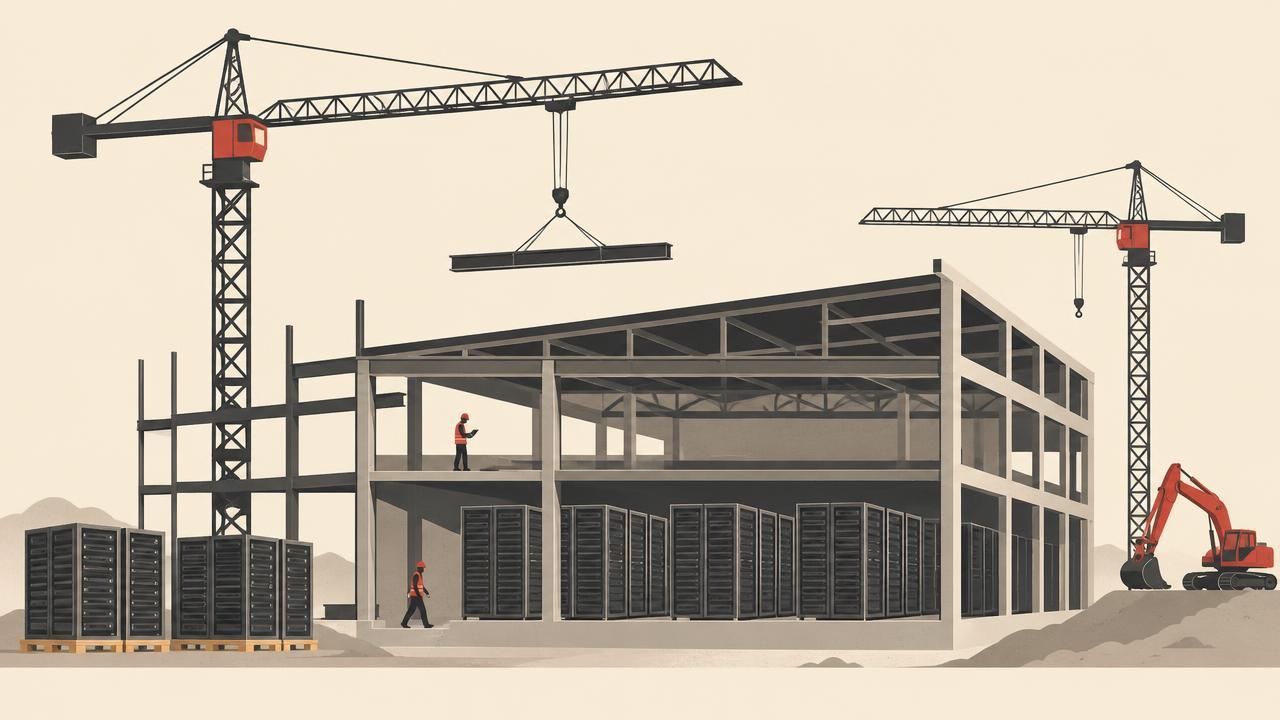
AI investment has become a significant driver of US growth, but a slowdown would not necessarily cause a recession, according to an analysis by OTP Alapkezelő’s Heinz Frigyes Ferdinánd.
In this article · 6
A slowdown in artificial intelligence investment would affect more than technology shareholders: it could also influence US growth, consumption and economic policy. In an analysis, Heinz Frigyes Ferdinánd, head of global macroeconomic analysis and strategy at OTP Alapkezelő, argues that a loss of momentum in the investment boom would not necessarily cause a recession on its own.
According to the Bank for International Settlements (BIS), investment in the AI ecosystem helped the global economy remain resilient in 2025 despite tariff increases and geopolitical uncertainty. Optimism about AI also eased financial conditions through higher share prices. The International Monetary Fund (IMF) estimates that AI-related technology investment may have added around half a percentage point to US GDP growth in 2025.
An estimate by investment firm PIMCO also includes the additional consumption generated by rising stock portfolios alongside the direct investment effect. On that basis, AI could account for as much as one-third of US economic growth in 2026.
The market correction extends beyond technology stocks
Doubts about AI investment have accompanied a market correction: alongside a decline in the Nasdaq, semiconductor manufacturers and other infrastructure-related companies came under pressure. The reversal also affected the previously strong South Korean market, illustrating the global reach of the investment cycle.
Risk aversion spread to bond markets. Credit risk premiums rose for more aggressively financed AI-related companies, while US Treasury yields fell. The latter may suggest investors are also considering the growth consequences of slower investment. The correction does not establish that the boom is over, but returns and access to financing are receiving greater scrutiny.
Investment on a historic scale, with uncertain returns
The Brookings Institution estimates that annual investment in AI infrastructure may have reached 2.5% of GDP. That exceeds the investment intensity of the railway-building era and is more than twice the intensity of telecommunications network construction during the dot-com period.
History also shows, however, that a technology’s importance does not guarantee returns on every related investment. The internet transformed the economy, yet the investment wave around the turn of the millennium led to excess capacity, corporate losses and a severe stock market correction.
In recent years, spending on data centers and the energy infrastructure needed to support them has grown rapidly, while AI model developers have entered an expensive investment race. Expectations for the coming years have become less certain: the question is whether demand will be sufficient to use the capacity being built and whether developers can generate the revenue and profits needed to justify the spending.
Investment does not have to fall in absolute terms to slow growth. A much slower rate of increase could reduce its contribution to economic expansion even if spending remains historically high.
Energy, permits and public opposition
Beyond chips, the expansion of AI infrastructure may be constrained by electricity supply, permits, financing and public acceptance. Following the November US midterm elections, potential gains by Democrats could increase political pressure over data center permits, energy use and local environmental effects, even if they do not fully reverse the policies of the US administration led by Donald Trump.
In a Reuters/Ipsos poll, 77% of Americans worried that AI data centers would raise electricity prices. Half of Republicans would have opposed such a facility being built in their own community, while 68% believed AI would reduce the number of jobs over the longer term.
The analysis suggests this could create a contradiction for an administration that has promised to protect workers while building closer ties with the technology elite. The electoral effect of local opposition is difficult to separate from other factors, but delays and higher project costs are also important risks for investors.
Productivity gains are less visible so far
Over time, AI could automate tasks, accelerate research and reduce administrative costs, potentially improving productivity and moderating inflation. In data for the US economy as a whole, however, productivity gains attributable to the technology remain only modestly visible.
Business surveys indicate positive effects that vary considerably by industry. Aggregate employment data have yet to show a significant decline clearly attributable to AI. In industries where its use is more widespread, however, employment growth has generally been weaker and unemployment less favorable than before the pandemic. That does not establish that AI caused the changes: other factors, including corrections to earlier overstaffing, may also have played a role.
The costs of building capacity and the investment boost to growth are therefore already apparent, while broad productivity benefits may arrive later. The time between constructing capacity and putting it to profitable use matters for the sustainability of investment at its current intensity.
A slowdown, but not necessarily a recession
The United States entered recession in 2001 after the dot-com boom faded, but the structure of today’s economy is different. At the turn of the millennium, the country was a major manufacturer of information and communications equipment, and the technology sector had a larger direct effect on employment. Much of the equipment needed for today’s AI investment is manufactured in Asia, particularly South Korea and Taiwan.
Data centers are also large, multiyear projects that a stock market decline would not necessarily halt immediately. The direct effect of slower investment on US GDP could therefore be smaller than the scale of spending initially suggests.
Indirect effects may pose a greater danger: falling share prices, weaker corporate financing and a diminished wealth effect could together curb consumption and employment. In an illustrative estimate, PIMCO calculates that AI investment and wealth effects, including offsetting factors, could add approximately 0.8 percentage points to US growth in 2026.
The firm puts the growth contribution of gross AI investment at 1.2 percentage points, but after accounting for imports, foreign trade and inventory changes, the direct net contribution is 0.4 percentage points. The wealth effect from rising AI stock prices could add 0.6 percentage points on its own. In the model, three-quarters of the total net effect could therefore be linked to stock market wealth gains.
Higher financial wealth can encourage some households to spend more; a prolonged fall in share prices could instead make them more cautious. In the short term, a lasting interruption to stock market gains could therefore pose a greater macroeconomic risk than fewer new data centers alone.
The Fed’s response depends on inflation
Easier monetary policy from the Federal Reserve System (Fed) could cushion a slowdown if inflation permits it. If inflation remains high, however, the central bank would have much less room to respond.
According to the analysis, this year’s rise in inflation was driven primarily by energy price increases that now appear to be fading. Inflation expectations and pressure from domestic demand have not surged, while wage growth has generally been slowing. A sustained stock market correction could weaken domestic demand further.
Heinz Frigyes Ferdinánd therefore considers substantially slower growth, easier Fed policy and, in time, a weaker dollar more likely than a recession caused solely by a negative turn in AI investment. The next installment of the two-part analysis will examine the investment environment that a changing AI boom could create.
Related articles More from the section.

Study Finds AI Stock Market Signals Resemble Past Bubbles
A study spanning 170 years of financial history finds that speculation around artificial intelligence stocks resembles patterns seen during major market bubbles.
Industry · November 27, 2026
Taiwan raises 2027 growth forecast as AI demand continues
Taiwan has raised its 2027 economic growth forecast to 6.51%, while projecting its fastest expansion since 1978 for 2026.
Industry · November 27, 2026
AI assistants bring a growing share of shoppers to online stores
AI tools are becoming a more common starting point for online shopping, although they still account for a small share of direct referrals and purchases.
