AI-generated text
Siemens and Reinhausen develop DC power solution for AI data centers using solid-state transformers
Industry · September 4, 2026
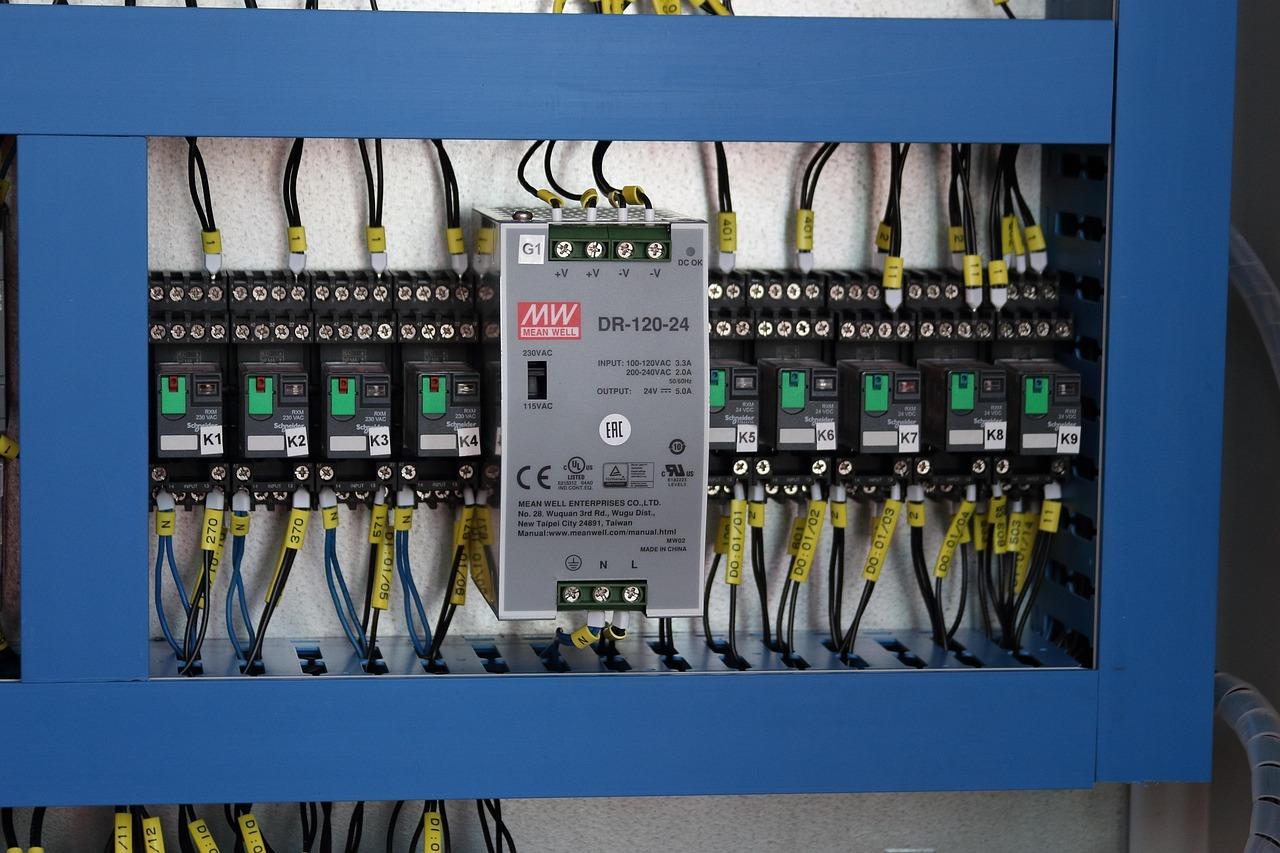
Rising electricity needs of AI workloads are putting pressure on data‑center infrastructure: forecasts foresee a 33% increase in AI data centers by 2030 and up to a 40-fold growth in their energy demand by 2028.
In this article · 3
Forecasts indicate the number of data centers serving AI workloads could increase by 33 percent by 2030, while the electricity demand of such facilities may grow up to fortyfold by 2028. According to the International Energy Agency (IEA), global power consumption by data centers could reach 945 terawatt‑hours, roughly twenty times Hungary’s current annual electricity consumption.
This rising demand places considerable strain on power infrastructure and increases the need for more efficient, scalable distribution solutions. Many modern digital and energy technologies — including AI data centers, photovoltaic systems, energy storage, and fast chargers — natively use direct current (DC). Operating these systems on traditional alternating current (AC) networks requires additional conversion stages, which lead to higher energy losses, increased heat generation, and more complex system designs.
Solid‑state transformers as a route to DC distribution
To address these issues, Siemens and Maschinenfabrik Reinhausen are jointly developing a solid‑state transformer (SST). The technology can convert medium‑voltage grid input — up to 36 kV — into a stable 800 V DC output. The modular design of the SSTs reduces the number of intermediate energy conversion steps, which can lower conversion losses and heat production, and decrease the physical footprint of infrastructure.
This approach is particularly relevant for high power‑density, dynamically loaded AI data centers: modular SSTs can offer higher availability and faster response while simplifying grid integration and energy conversion. Thus, the technology can contribute to improved energy efficiency and reduced system complexity.
Roles and expertise of the two companies
Maschinenfabrik Reinhausen brings decades of experience in voltage regulation for power transformers and expertise in power quality and grid stability. The company also has significant know‑how in medium‑voltage power electronics and the components required for SST operation.
Siemens contributes broad capabilities in power electronics, electrical power supply, protection and automation, and digitalization. By combining these competences, the two firms aim to develop next‑generation power delivery solutions that can meet the growing and variable electricity needs of AI data centers.
Practical implications
Wider adoption of SSTs that provide DC directly from medium‑voltage grids could reduce the multi‑stage conversions typical of AC‑centric architectures. The expected outcomes include reduced conversion losses, lower heat generation, and simpler system layouts — advantages that are particularly important for large, high‑performance AI data centers. The Siemens–Maschinenfabrik Reinhausen collaboration illustrates one technological path to addressing these challenges, although the timing and scope of broader market deployment will depend on further development and industry uptake.
Related articles More from the section.

AI and commercial data requests put pressure on US public records offices
Public records offices across the United States are facing growing workloads as businesses collect government purchasing data and individuals use AI to draft requests.
Industry · November 25, 2026
Asian tech shares fall as investors question returns on AI spending
Asian technology stocks fell sharply on Wednesday after another sell-off on Wall Street, with Japanese companies exposed to the AI supply chain among the biggest losers.
Industry · November 25, 2026
imagi expands school AI platform as Hungarian education guidelines take shape
Education technology company imagi has shifted from selling a programmable device for girls to licensing a supervised AI platform to schools and governments.
