AI-generated text
Rheinmetall begins series production of AI-processed SAR reconnaissance satellites
Industry · October 6, 2026
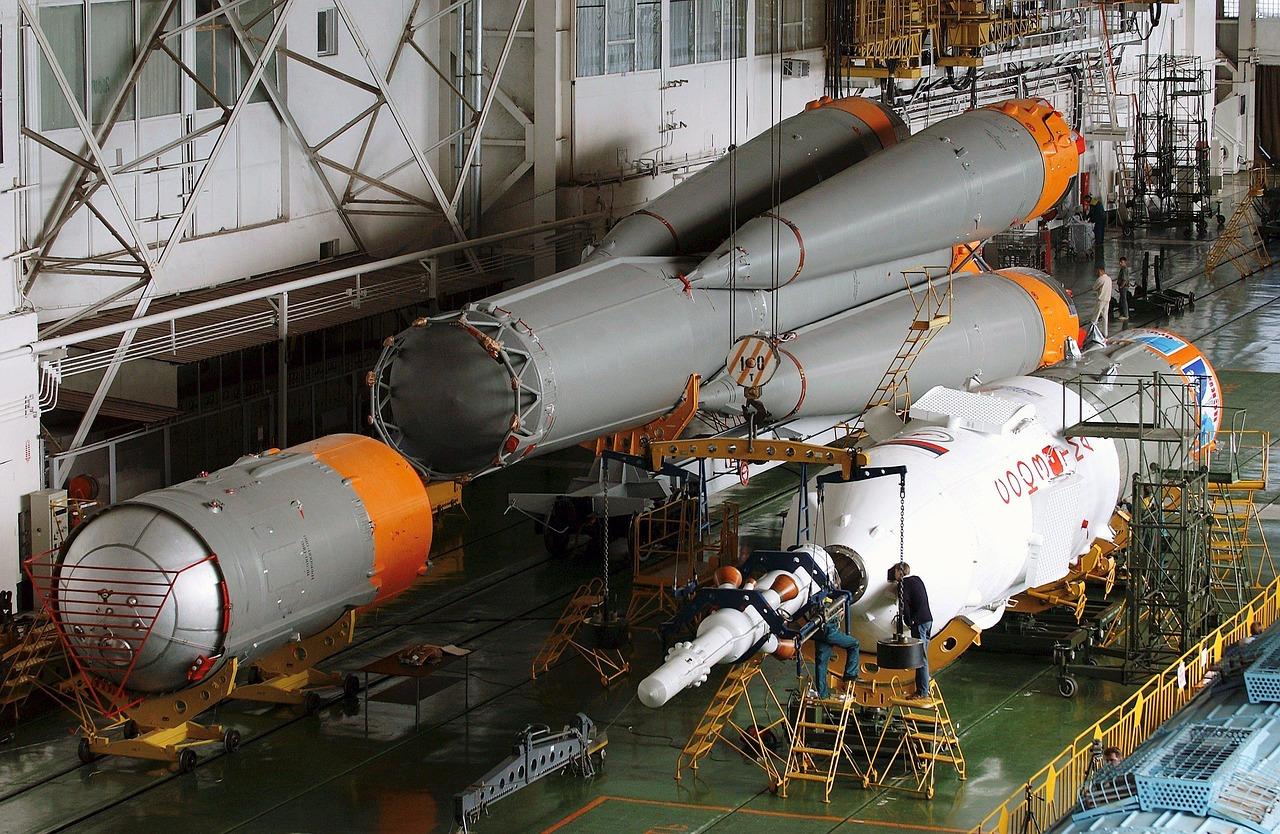
German defence company Rheinmetall has started serial production of synthetic-aperture radar (SAR) satellites at its Neuss plant as part of the Rheinmetall Iceye Space Solutions joint venture with Finnish Iceye.
In this article · 5
German defence company Rheinmetall has begun serial production of military satellites at its Neuss manufacturing site. The programme is run by the joint venture Rheinmetall Iceye Space Solutions, in which Rheinmetall holds a 60 percent stake; the other partner in the venture is Finnish company Iceye.
Why SAR and why AI?
The satellites use Synthetic Aperture Radar (SAR), which creates high-resolution two-dimensional radar images of the Earth's surface by sending microwave pulses. SAR is capable of providing accurate imagery at night and in adverse weather, enabling persistent reconnaissance.
Artificial intelligence is applied to filter and process the radar data to extract relevant intelligence. Rheinmetall says the expansion aligns with its objective to cover all levels of the modern battlefield with its products.
Technical specifications and schedule
The planned SAR satellites measure 3.3 metres in length and 0.8 metres in width, have a mass of 220 kilograms, and carry an antenna with approximately 2.6 square metres of surface. The company plans to produce roughly 50 satellites per year. The first satellite is scheduled to be launched into low Earth orbit in early 2027 on a SpaceX launch vehicle.
Use cases and contracts
Rheinmetall’s space division will sell radar imagery intended to assist NATO forces with situational awareness. A subsidiary of Rheinmetall has signed a multiyear contract with the German armed forces (Bundeswehr) worth about €1.7 billion; the parties may extend this agreement later.
The Bundeswehr already receives imagery from Iceye satellites that Iceye built and launched prior to Rheinmetall’s involvement.
Competitors and expert remarks
One competitor is Bremen-based OHB, which sold eight satellites to the German armed forces under the SAR-Lupe and SARah programmes; seven of those remain in orbit. An OHB spokesperson noted that SAR imagery provides significant added value for a military because radar technology operates continuously and is largely independent of external conditions.
The spokesperson also pointed out that interpreting SAR imagery requires trained analysts, whereas electro-optical imagery is generally easier for less-trained personnel to draw actionable conclusions from.
Summary
Rheinmetall’s launch of series production represents a significant move in military reconnaissance: combining SAR sensors with AI-powered processing aims to deliver continuous, weather-independent situational awareness, while the company leverages strategic contracts and faces established competitors in the NATO market.
Related articles More from the section.

SAP considers cutting more than 10,000 jobs amid AI shift
SAP is considering eliminating more than 10,000 positions as it adapts its business to artificial intelligence, according to Bloomberg.
Industry · November 26, 2026
OpenAI employee saw potential for mathematical applications of the model early on
An OpenAI employee referred to in the text as Ven believed early on that the company’s model at the time might be capable of solving the Millennium Prize Problems.
Industry · November 26, 2026
GTA VI and Anthropic IPO Highlight Debate Over AI and Creative Work
The reported launch of Grand Theft Auto VI has renewed debate over whether AI can replicate the painstaking work behind ambitious video games.
