AI-generated text
Rapid Rise and Fall of Leopold Aschenbrenner’s AI-Infrastructure Hedge Fund
Business · July 31, 2026
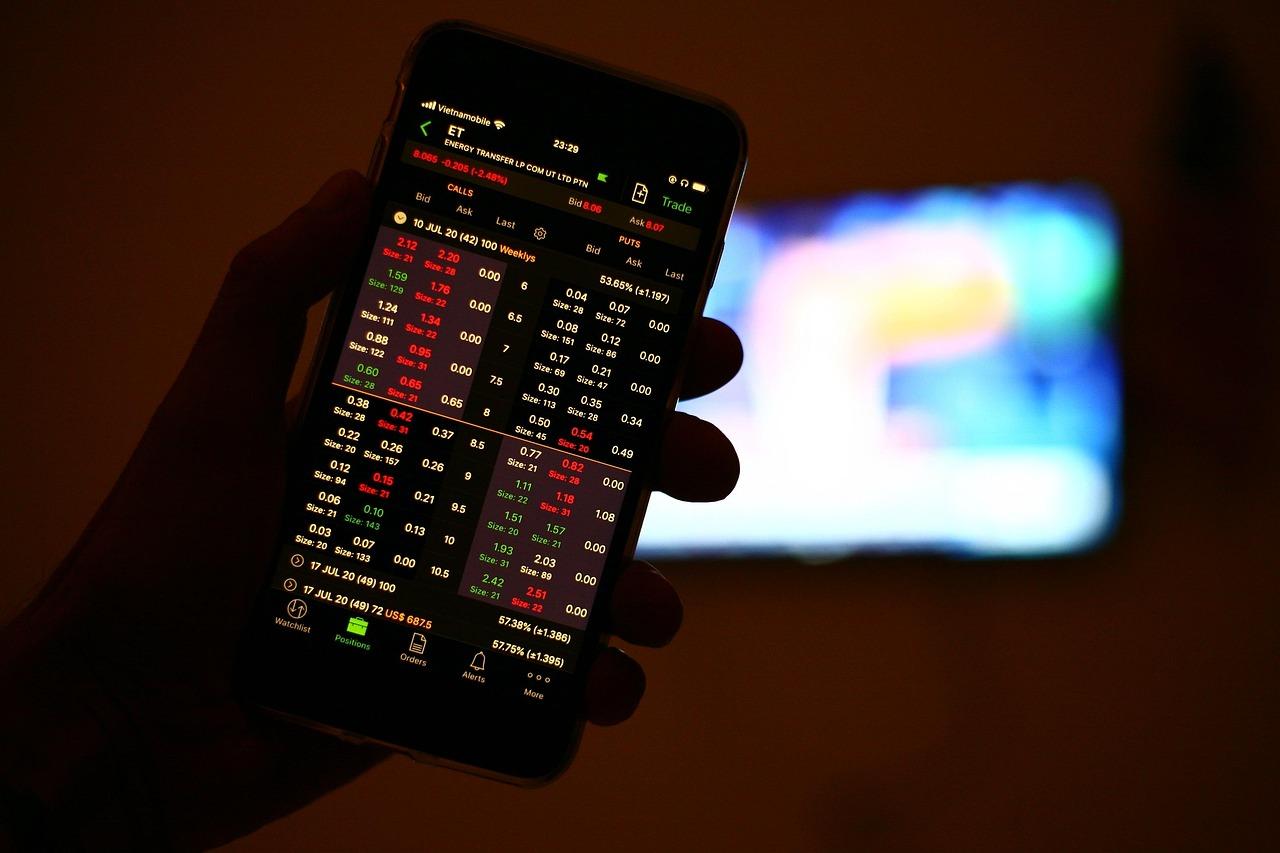
Leopold Aschenbrenner, a former OpenAI researcher, launched the Situational Awareness hedge fund in late 2024 betting that AI-driven demand would make infrastructure providers — chipmakers, memory manufacturers, data-center operators and energy firms — huge winners.
In this article · 6
Leopold Aschenbrenner, a former researcher at OpenAI and a prominent advocate in AI circles, founded the Situational Awareness investment vehicle in autumn 2024. He gained wider recognition for his paper titled Situational Awareness, in which he argued that AI development could accelerate sharply over the next few years and that artificial general intelligence might appear around 2027. Aschenbrenner’s investment thesis was that the principal beneficiaries would be companies building the underlying infrastructure: semiconductors, memory manufacturing, data centers, power supply and electrical grids.
Investment strategy and notable holdings
The fund’s strategy focused squarely on AI infrastructure. Publicly disclosed large positions included:
- Nebius (about $2.5 billion position, roughly 15% of the portfolio)
- SK Hynix (HBM memory chips)
- Samsung Electronics, Micron, TSMC, Nvidia, AMD, Broadcom, Intel, ASML
- CoreWeave, IREN, Core Scientific, Applied Digital (data-center operators)
- Sandisk (flash memory and storage)
- Bloom Energy, T1 Energy, Solaris Energy Infrastructure, Power Solutions International, Babcock & Wilcox (energy)
Among private investments, Anthropic was one of the largest holdings. The fund also amassed significant options positions and concentrated exposure via ETFs and equities such as the VanEck Semiconductor ETF, Nvidia, Oracle, Broadcom, AMD, Micron and TSMC.
Rapid fundraising and asset growth
The first investor capital arrived on November 1, 2024. With a $5 million minimum initial investment, the fund targeted wealthy private investors, family offices and institutions. Fundraising was extremely fast: by September 2025 the main U.S. fund had sold $998 million of shares; by spring 2026 assets under management reached $9.3 billion. Public filings show the fund raised $1.76 billion of external capital from November 2024 to spring 2026, growing assets to $9.28 billion. Reporting by the Wall Street Journal and the Financial Times indicated the fund’s size exceeded $20 billion by the summer.
The fund ran with only eight employees, implying over $1 billion of assets under management per staff member.
Leverage, margin calls and a liquidity spiral
The fund’s downfall was driven by its aggressive use of leverage. While rising AI-sector prices amplified returns, a sharp correction in AI stocks in early July triggered severe losses. Financing banks issued margin calls as collateral values fell. Portions of positions financed by Goldman Sachs and JPMorgan were forcibly liquidated to reduce exposure.
Forced selling further depressed prices, prompting additional margin calls and more liquidations — a classic liquidity spiral. Within days the fund lost about two-thirds of its value and was compelled to sell large parts of its public-equity portfolio.
Citadel’s purchase and the aftermath
Much of the publicly traded equity package was purchased by Citadel, the fund run by Ken Griffin. After the transaction Aschenbrenner retained private investments, including his Anthropic stake. The fund also stopped using leverage following the deal.
Market impact and implications
The fund’s rapid collapse preceded a short-term market rebound: several stocks that had fallen sharply regained 15–20% in a single trading day. Contributing factors included quarterly reports from Microsoft and Amazon, which confirmed continued heavy spending on AI, data centers, and chips, signaling that demand fundamentals remained intact. Citadel’s acquisitions removed a key forced-seller from the market, alleviating downward pressure.
Lessons learned
The episode is double-sided: Aschenbrenner correctly identified infrastructure winners in the AI wave and achieved strong returns for a period, yet an aggressive leverage profile left the fund vulnerable to a sudden downturn. Leverage can multiply gains but can just as quickly wipe out a portfolio during volatility. After a margin call, decisions about selling are often in the hands of creditors rather than the investor — a central, practical lesson from this case.
This article is not investment advice or a recommendation.
Related articles More from the section.

Banks Seek to Transfer AI Loan Risk to Investors
Banks including Citi and JPMorgan are marketing loan portfolios as they manage their exposure to AI-related debt, according to people familiar with the deals.
Business · November 26, 2026
Nvidia Credit Outlook Shift Raises Questions for AI Financing
Moody’s has changed Nvidia’s credit outlook from positive to stable, while S&P Global has raised concerns about the departure and return of CEO Jensen Huang.
Business · November 26, 2026
Xpeng plans humanoid robot launch as it expands beyond electric cars
Chinese electric vehicle maker Xpeng plans to launch its IRON humanoid robot in the second quarter of next year, with a price comparable to a mid-range electric car.
