AI-generated text
Public-health activists urge Trump administration not to rely on coal to power AI data centers
Regulation · August 21, 2026
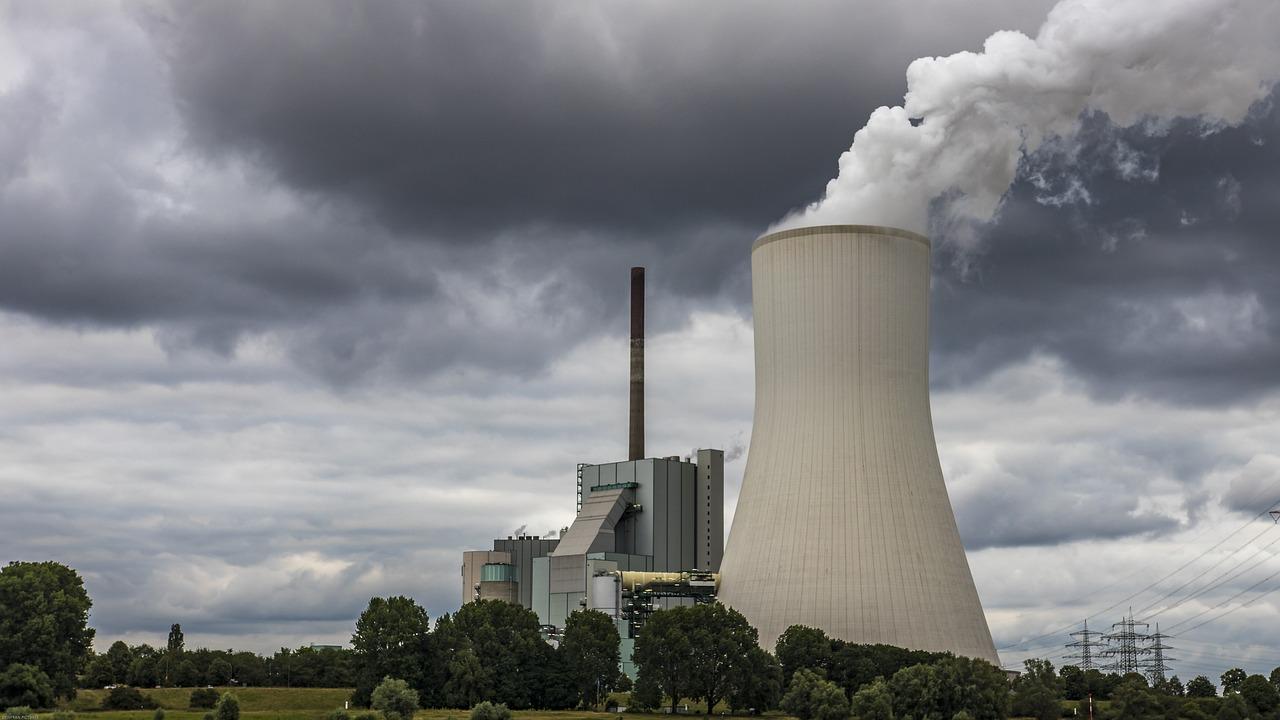
Leaders of the Make America Healthy Again (MAHA) movement sent a joint letter to President Donald Trump warning that expanding coal-fired power to supply AI data centers would worsen health and environmental harms from soot, mercury and coal ash.
Prominent figures in the Make America Healthy Again (MAHA) movement have sent a joint letter to President Donald Trump warning that "data centers should not become the justification for burning more coal." The letter objects to proposals and policies that would expand coal-fired power to meet the growing electricity demand of AI and data center operations.
Why it matters
The appeal clashes with steps taken by the Trump administration to promote coal as a source of power for AI. The letter highlights the public health and environmental harms associated with coal combustion, including pollution from soot, mercury contamination, and the risks posed by "coal ash" — a combustion byproduct that can contain heavy metals.
What the letter asks for
MAHA asks the administration to convene MAHA leaders, farmers, physicians and other stakeholders to develop "health-first standards for AI infrastructure." The signers argue there are better energy options than expanded coal, naming solar paired with energy storage, advanced geothermal and improved energy efficiency as preferable alternatives.
Who signed and who received the letter
Among the many signers are Zen Honeycutt, founder of Moms Across America; Charles Eisenstein, who served as a speechwriter and adviser on Robert F. Kennedy Jr.'s 2024 presidential campaign on health matters; Aimee Villella McBride, executive director of the Global Wellness Forum; and David Murphy, founder and CEO of United We Eat.
The joint letter was addressed to President Trump and copied to Robert F. Kennedy Jr.; Environmental Protection Agency head Lee Zeldin; Energy Secretary Chris Wright; and Agriculture Secretary Brooke Rollins.
Government actions and context
The Trump administration has moved on several fronts to bolster coal-fired power, often citing the energy demands of AI and data centers as a rationale. An April 2025 executive order described coal as "critical" to meeting rising power demand from data centers and other needs. The U.S. Department of Energy has also announced hundreds of millions of dollars in funding aimed at retaining and potentially expanding coal-fired generation.
MAHA’s perspective
Zen Honeycutt said the rise of data centers and the question of what fuels them is a new concern for Moms Across America and for many in the MAHA movement, while noting she does not speak for the entire movement. She emphasized that MAHA's mission extends beyond reducing pesticides or ensuring vaccine safety — it is about preventing toxins from harming the health of families, communities and farmers.
Bigger picture
The letter comes as data centers face growing backlash and as lawmakers from both parties consider new restrictions on the industry. The signers conclude that the U.S. can lead on AI, energy and security without increasing children’s exposure to mercury, adding soot to lungs, introducing more heavy metals to soil and food, or contaminating water.
(Note: this article reports on the joint letter and the details provided by the source; names and dates are drawn from the supplied material.)
Related articles More from the section.

Nvidia pauses some server shipments to Southeast Asia
Nvidia has told manufacturing partners to pause server shipments to four Southeast Asian countries while it reviews compliance with U.S.
Regulation · November 26, 2026
Lawyer warns companies of AI compliance and data protection risks
At the AI & Digital Transformation 2026 conference, Taylor Wessing lawyer János Kopasz warned that companies face regulatory risks even before the EU AI Act is fully applied.
Regulation · November 26, 2026
Pentagon Denies Report of Proposed Pressure to Restore Jensen Huang at Nvidia
The Washington Post reported that Pentagon leaders discussed using a Cold War-era law to pressure Nvidia over Jensen Huang’s return as chief executive, a claim a Defense Department official denied.
