AI-generated text
Oscars Allow Broad AI Use but Bar Synthetic Actors and AI-Authored Scripts
Regulation · May 8, 2026
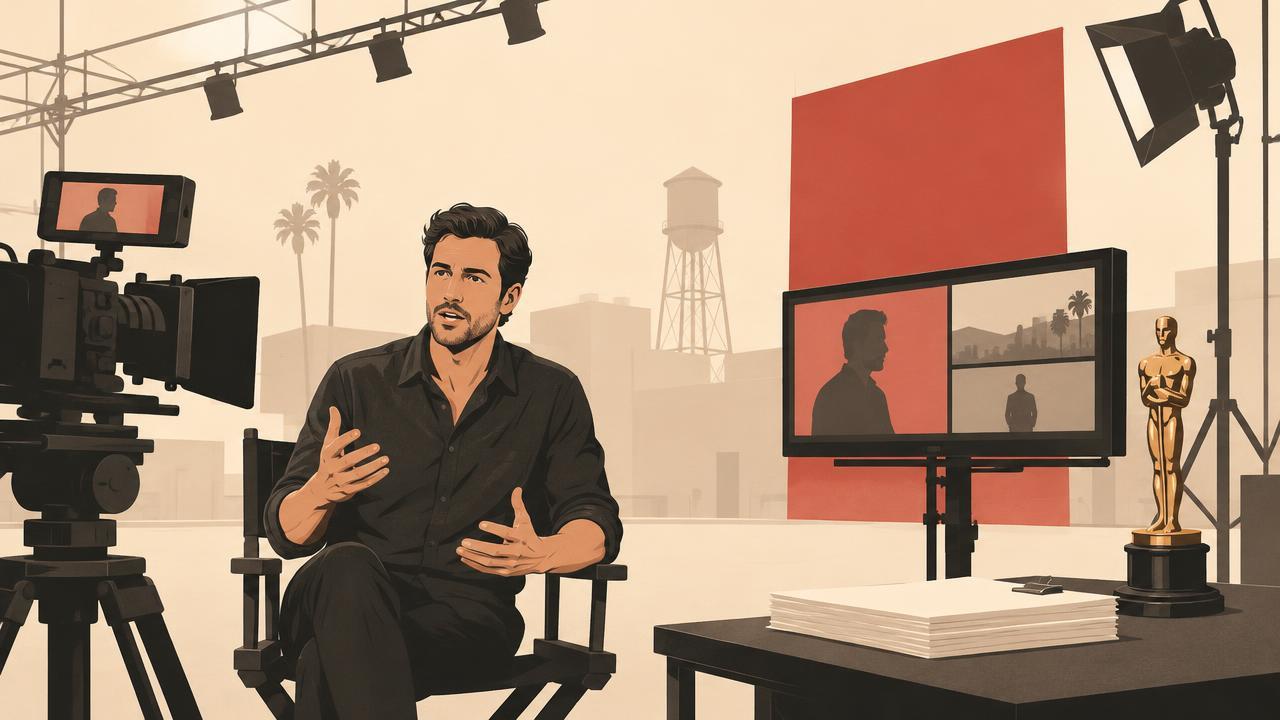
The Academy has confirmed that films using AI tools remain eligible for Oscars, while performances and screenplays must be human-created.
In this article · 4
The Academy has announced that films employing artificial intelligence tools will remain eligible for Oscars, while acting and writing credits must be human. For the 2027 awards cycle, synthetic actors and screenplays authored solely by AI will not qualify as valid creative contributions.
What is allowed and what is not
The ruling specifies that AI may be used across many stages of production. Explicitly mentioned areas include editing, visual effects (VFX), dubbing, concept art, previs (previsualization), localization, cleanup, sound work, and trailer production. However, primary acting performances and screenplay authorship must remain human-led to count for award consideration.
Why this matters
The policy attempts to balance protecting human creative prestige with recognizing technological change in filmmaking. By allowing AI in production while preserving human credit for acting and writing, the Academy keeps top-tier creative recognition tied to people but removes a barrier to commercial AI adoption. Practically, this means studios can use AI tools without jeopardizing Oscar eligibility, which in turn creates strong incentives to deploy AI to cut costs and speed workflows.
Economic impacts and risks
Although the rule protects human authorship for major award categories, it also opens the door for broad commercial use of AI in the industry. Once AI use does not disqualify a film from awards, studios and producers have more latitude to substitute automated processes for paid human labor. This shift can put significant pressure on vendors: editing houses, smaller VFX boutiques, localization firms and other service providers may face rapid downward pressure on fees, and some could be forced to close rather than adapt.
Conclusion
The Academy's decision is a cautious compromise: it retains human-centric standards for acting and writing while permitting AI across many production functions. The immediate effect is likely accelerated adoption of AI as a cost-saving tool; the longer-term consequence may be structural change in the film-service sector and the displacement of some smaller companies.
Related articles More from the section.

Nvidia pauses some server shipments to Southeast Asia
Nvidia has told manufacturing partners to pause server shipments to four Southeast Asian countries while it reviews compliance with U.S.
Regulation · November 26, 2026
Lawyer warns companies of AI compliance and data protection risks
At the AI & Digital Transformation 2026 conference, Taylor Wessing lawyer János Kopasz warned that companies face regulatory risks even before the EU AI Act is fully applied.
Regulation · November 26, 2026
Pentagon Denies Report of Proposed Pressure to Restore Jensen Huang at Nvidia
The Washington Post reported that Pentagon leaders discussed using a Cold War-era law to pressure Nvidia over Jensen Huang’s return as chief executive, a claim a Defense Department official denied.
