AI-generated text
OpenAI’s ChatGPT Futures backs young researcher who analyzed NEOWISE data
Industry · May 11, 2026
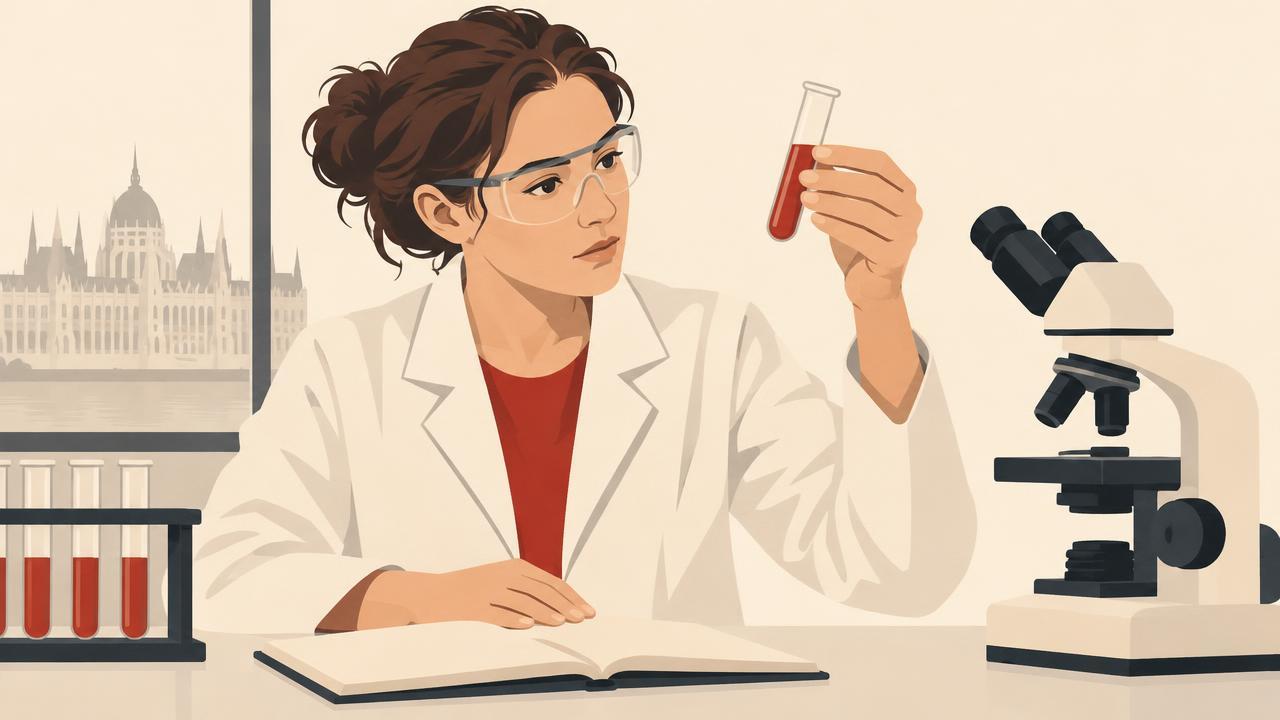
OpenAI’s inaugural ChatGPT Futures cohort awarded 26 young builders $10,000 each and access to frontier models.
In this article · 4
OpenAI launched its first ChatGPT Futures class, granting 26 young builders $10,000 each and access to frontier models. One recipient, 18‑year‑old high school student Matteo Paz, applied machine learning to nearly 200 TB of NEOWISE infrared data and flagged about 1.9 million variable objects, roughly 1.5 million of which appear to be previously unknown candidates.
What the researcher did
Matteo Paz processed a very large NEOWISE infrared dataset using machine learning techniques. The dataset he worked with totaled nearly 200 terabytes, and his analysis identified approximately 1.9 million objects exhibiting variability in brightness. Of those, around 1.5 million are described as candidate objects that were not previously catalogued in the shared data.
Why this matters
The notable point is that a high‑school student — equipped with mentors, compute, and access to modern AI models — tackled a complex, large‑scale scientific problem. This example suggests the pathway into research is shifting away from the traditional stepwise academic ladder (PhD, postdoc, institutional lab access and permissions). The barrier has not disappeared but shifted: success increasingly depends on problem framing, taste, and execution rather than formal credentials alone.
Implications for the research ecosystem
- Broader availability of resources (mentorship, compute, models) means talent may emerge outside formal credentialing systems.
- Universities and labs should monitor who is working on relevant problems, because significant contributions may now come from nontraditional entry points.
- The change increases competitive pressure: individuals with sufficient dedication and access can become immediate contenders in frontier research.
Conclusion
The first ChatGPT Futures class and Matteo Paz’s work illustrate how access to AI and computing resources can reshape early stages of scientific investigation. Research institutions may need to reconsider how they identify and engage emerging talent, since influential contributors may arrive without the conventional academic trajectory.
Related articles More from the section.

SAP considers cutting more than 10,000 jobs amid AI shift
SAP is considering eliminating more than 10,000 positions as it adapts its business to artificial intelligence, according to Bloomberg.
Industry · November 26, 2026
OpenAI employee saw potential for mathematical applications of the model early on
An OpenAI employee referred to in the text as Ven believed early on that the company’s model at the time might be capable of solving the Millennium Prize Problems.
Industry · November 26, 2026
GTA VI and Anthropic IPO Highlight Debate Over AI and Creative Work
The reported launch of Grand Theft Auto VI has renewed debate over whether AI can replicate the painstaking work behind ambitious video games.
