AI-generated text
OpenAI renames and tightens rules in updated Usage Policy
Regulation · October 20, 2026
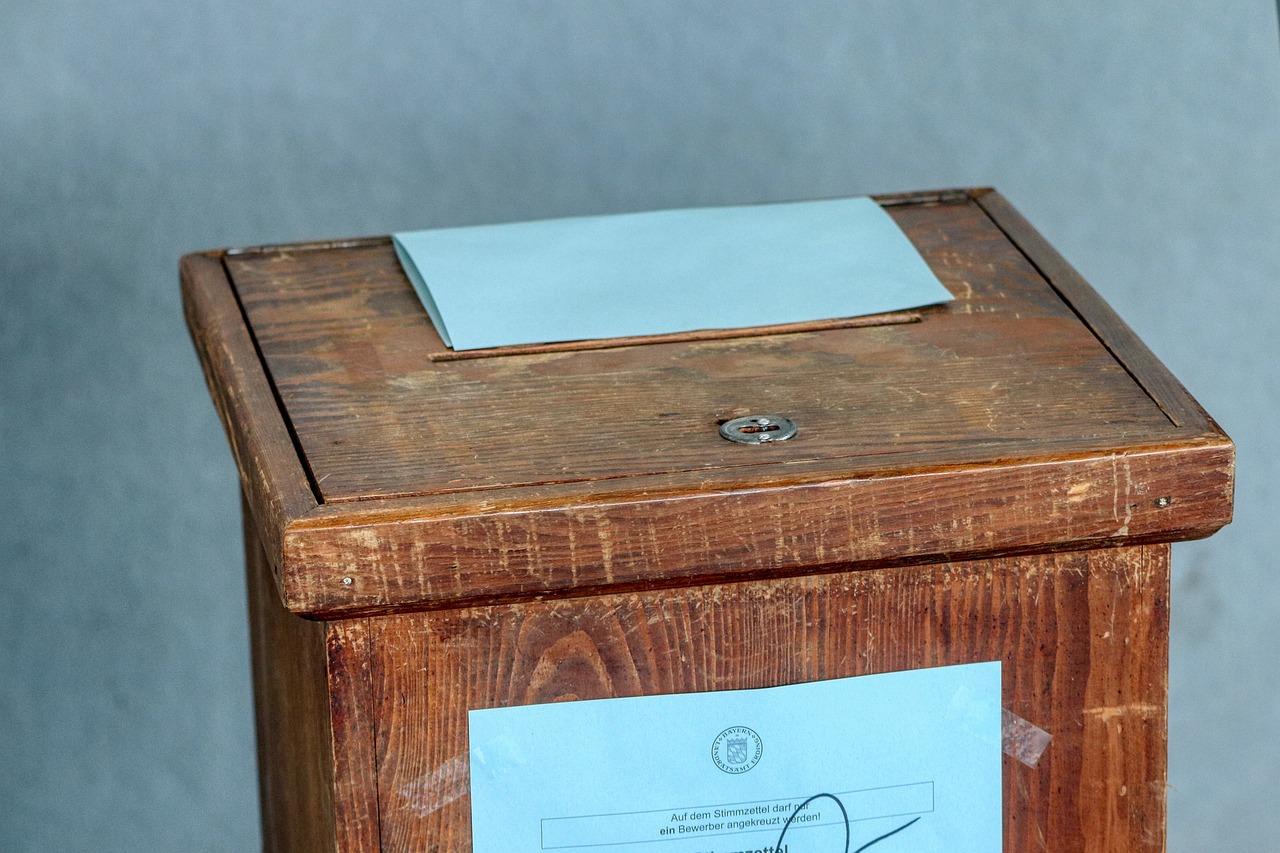
OpenAI published an updated Usage Policy on May 10, 2024, renaming its previous Acceptable Use Policy and introducing clearer rules on elections, privacy, and high‑risk applications.
In this article · 6
OpenAI published an updated Usage Policy on May 10, 2024. The company renamed its previous "Acceptable Use Policy" to "Usage Policy" and said the revisions are intended to clarify which applications of its products are permitted and which are not. The changes take effect on June 6, 2024.
Streamlining the policy
OpenAI consolidated two prior sections — "Prohibited Uses" and "Prohibited Business Cases" — into a single set of guidelines called Universal Usage Standards. The company says the consolidation aims to make the rules easier to apply consistently to both business and consumer users.
Election integrity and misinformation — clearer bans
OpenAI reiterated that use of its products for political lobbying and campaigning remains prohibited. The updated policy more precisely defines prohibited political activities: products cannot be used to promote or advocate for a specific candidate, party, issue, or position, and they cannot be used to solicit votes or financial contributions.
The policy also tightens prohibitions on interfering with the electoral process, citing examples such as targeting voting machines or obstructing vote counting or certification. To counter misinformation, the update bans use of the products to create or take part in campaigns that spread false or misleading information about election laws, candidate information, or related topics.
Requirements for high‑risk use cases
OpenAI notes that some API integrations and applications may support organizational decisions that have significant consequences for individuals and require specialized expertise. The updated policy labels certain situations as high‑risk — including integrations that affect healthcare decisions and legal guidance — and requires organizations to implement additional safety measures when using OpenAI products in those contexts.
Expanding who may use the products — minors and selected law enforcement uses
Although OpenAI's Consumer Terms of Service continue to prohibit direct use of its services by individuals under 18, the updated Usage Policy allows organizations to incorporate the API into products for minors provided they implement specified safety features and disclose to users that the product leverages an AI system. OpenAI points users to a Help Center article for more details.
The company also expanded the set of countries whose law enforcement authorities may use its products for narrowly tailored purposes, such as call center support and document summarization.
Clearer privacy protections
The revised policy reiterates that users may not use OpenAI products to gather information for tracking, targeting, or reporting on individuals or groups. New explicit prohibitions include using the products to analyze biometric data to infer characteristics like race or religious beliefs. The policy also bars building recognition systems or techniques that infer people's emotions for use cases such as interrogation.
In addition, the updated policy makes clear that OpenAI products cannot be used to analyze or identify specific content for the purpose of censoring it on behalf of a government organization; this prohibition applies in all countries where OpenAI's products are permitted.
Where to read the full policy
OpenAI says the full, updated Usage Policy is available on its website. The company frames the changes as intended to make its rules more transparent and to support responsible use of its technologies.
Related articles More from the section.

Nvidia pauses some server shipments to Southeast Asia
Nvidia has told manufacturing partners to pause server shipments to four Southeast Asian countries while it reviews compliance with U.S.
Regulation · November 26, 2026
Lawyer warns companies of AI compliance and data protection risks
At the AI & Digital Transformation 2026 conference, Taylor Wessing lawyer János Kopasz warned that companies face regulatory risks even before the EU AI Act is fully applied.
Regulation · November 26, 2026
Pentagon Denies Report of Proposed Pressure to Restore Jensen Huang at Nvidia
The Washington Post reported that Pentagon leaders discussed using a Cold War-era law to pressure Nvidia over Jensen Huang’s return as chief executive, a claim a Defense Department official denied.
