AI-generated text
OpenAI acquires Orchestra Bio to strengthen its Rosalind life‑sciences platform
Business · October 20, 2026
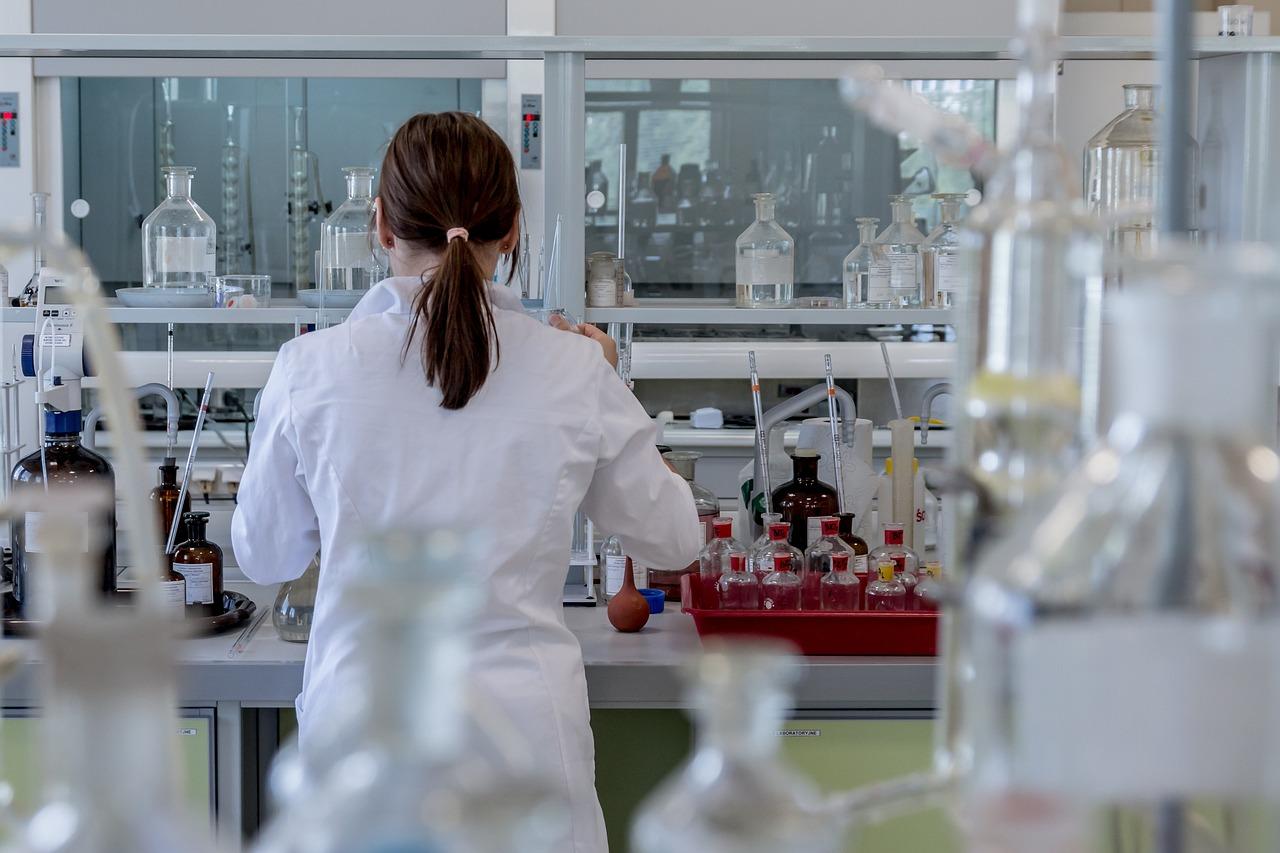
OpenAI has acquired Orchestra Bio, a startup that builds AI agents to assist pharmaceutical companies in managing drug development, and will fold its team and technology into the Rosalind suite.
In this article · 5
OpenAI announced it has acquired Orchestra Bio, a startup that develops AI agents to help pharmaceutical companies manage drug development. According to OpenAI, Orchestra’s team and technology will be integrated into Rosalind, its suite of AI models and tools for life‑sciences research.
What Orchestra’s platform does
Orchestra’s platform enables scientists to delegate tasks to AI agents such as monitoring clinical or preclinical studies, tracking drug development timelines, and identifying potential delays. OpenAI says these agents will help connect scientific findings with the decisions and next steps needed to advance candidate therapies.
Financial terms and context
The companies have not disclosed the financial terms of the acquisition. OpenAI framed the move as part of a broader ambition among AI firms not only to raise productivity but to apply AI toward fundamental industry challenges, including accelerating drug discovery.
Broader competition in life sciences
The acquisition comes amid a wider push by major AI labs into life sciences. OpenAI introduced its specialized GPT‑Rosalind model in April to assist researchers with complex problems in biology, chemistry and drug discovery. OpenAI has also formed partnerships with pharmaceutical firms including Novo Nordisk and Moderna to integrate AI into research and development workflows.
OpenAI notes that developing a new medicine typically takes 10 to 15 years, a timespan it hopes AI can shorten.
Rivals and prior acquisitions
Anthropic has likewise expanded aggressively into life sciences: in April it acquired AI biotech startup Coefficient Bio for roughly $400 million, according to The Information. In June Anthropic launched Claude Science, a research platform that links scientific databases, analysis tools and specialized agents. In September the company announced a new biological research lab and said Claude had helped discover a previously unknown enzyme system with similarities to CRISPR, a claim some scientists described as overstated.
Conclusion
OpenAI’s purchase of Orchestra Bio signals a shift from focusing solely on building models toward embedding AI capabilities into industry workflows, particularly in drug development. As AI companies scale and contemplate public markets, investors are watching how far these firms can expand into new sectors.
Related articles More from the section.

S&P Reviews Nvidia’s Credit Rating Over Governance Concerns
S&P Global Ratings is considering a one-notch downgrade of Nvidia, citing concerns about executive oversight and reliance on CEO Jensen Huang.
Business · November 25, 2026
LG Electronics reorganizes around growth businesses and streamlined management
LG Electronics is restructuring its operations for the 2027 business year, with a focus on robotics, AI data center cooling, mobility and smart manufacturing.
Business · November 25, 2026
Anthropic IPO drives surge in search interest
Anthropic’s November 19 Nasdaq debut raised a reported $81.34 billion, surpassing SpaceX’s earlier IPO record, before its shares lost their initial gains.
