AI-generated text
Nvidia posts record $96.2B quarter amid memory shortage and $19B buyback
Business · August 27, 2026
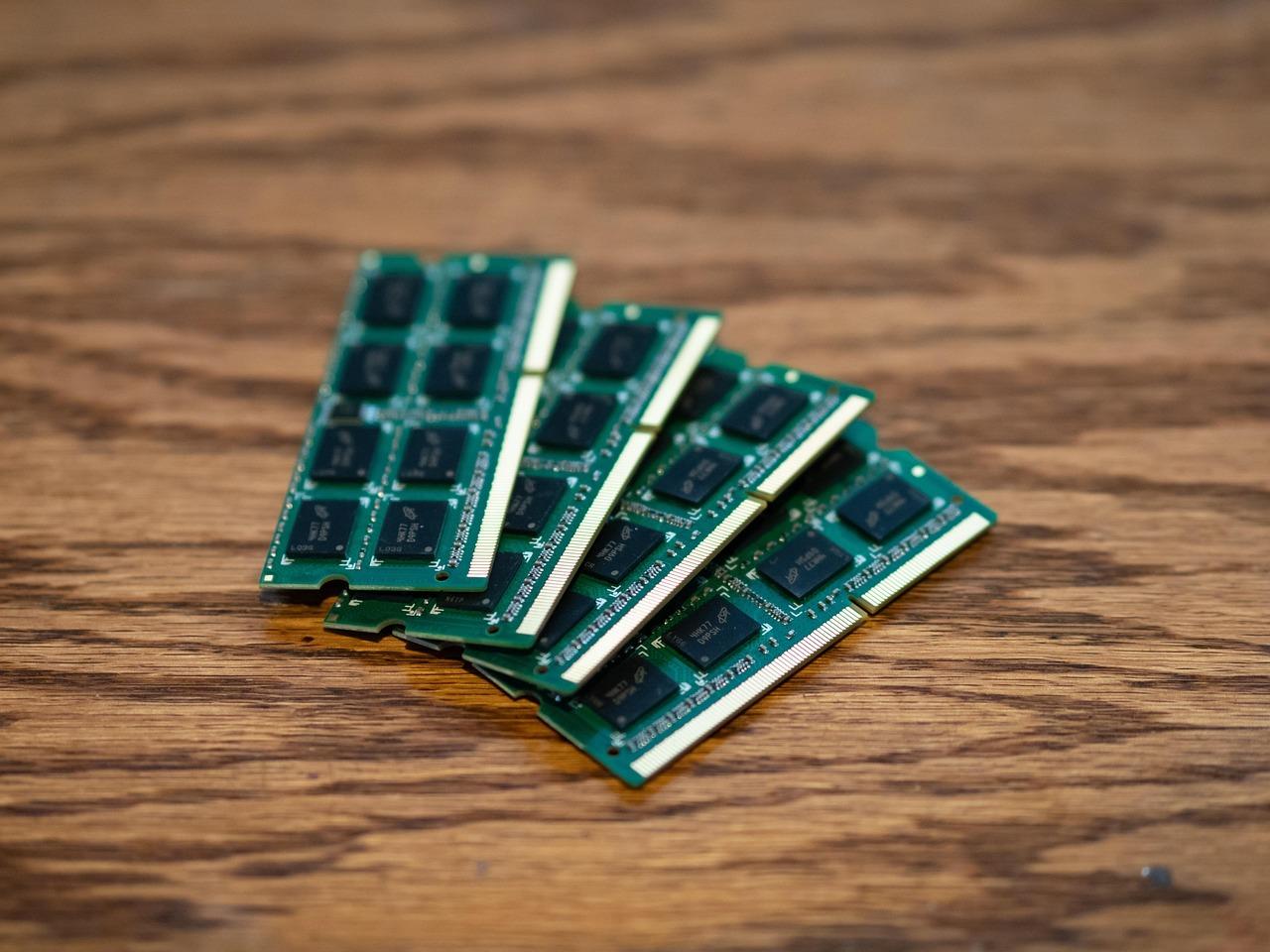
Nvidia reported $96.2 billion in revenue for the quarter ended July 2026 (Q2 fiscal 2027), more than double year‑ago sales, beating Wall Street estimates.
In this article · 6
Nvidia reported $96.2 billion in revenue for the quarter ended July 2026 (its Q2 fiscal 2027), more than double the sales from the same period a year earlier and above Wall Street expectations. Following the earnings release, the stock jumped in after‑hours trading and was more than 7% higher on Thursday morning.
Why this matters
Nvidia's results are widely seen as a barometer of the AI industry’s health. Every quarter investors scrutinize the company’s numbers for signs that AI demand might be slowing; this quarter’s figures instead showed continued rapid growth.
Key figures and guidance
- Revenue: $96.2 billion in Q2 fiscal 2027 (quarter ended July 2026), over twice last year’s level.
- Guidance: Chief Financial Officer Colette Kress said the company expects revenue to grow about 70% in the next fiscal year, up from a prior expectation of roughly 45%. This more aggressive outlook helped push the stock higher.
- Customer deal: Kress also disclosed that Amazon will buy an additional 2 million Nvidia chips.
- Share buyback: Nvidia announced a $19 billion share buyback, exceeding last year’s repurchases.
Supply constraints: memory shortage
Nvidia warned that rising memory prices are outpacing its expectations and will slightly compress margins in the coming year. Kress framed the shortage as a ‘‘good problem’’—the tighter memory supply is driven by the same surge in AI infrastructure demand that is boosting Nvidia’s own business.
Breadth of AI demand: hyperscalers, sovereign AI and enterprises
CEO Jensen Huang emphasized that hyperscalers are only part of the story. He said the other major drivers are sovereign AI—national efforts to build AI infrastructure—and enterprise customers broadly, as companies across industries build their own AI stacks.
Questions and risks: financing and frontier AI investments
Analysts and commentators have raised concerns that some customer arrangements resemble ‘‘circular financing,’’ where funding, support, or favorable terms ultimately flow back into purchases of Nvidia technology; executives defended the company against those critiques during the earnings call.
Huang also defended Nvidia’s $50 billion investment in frontier AI labs, calling it a once‑in‑a‑generation opportunity and noting that two companies in that portfolio are ‘‘likely to go public soon,’’ a remark the report suggests was probably referring to OpenAI and Anthropic.
Bottom line and what to watch
Nvidia is generating substantial revenue and signaling continued robust growth, while managing short‑term supply constraints and making large share repurchases. Investors should watch the stock in the days following the report—historically Nvidia’s share price has often fallen the day after earnings releases (Bloomberg noted that in five of the last six quarters the stock dropped the day after reporting).
Related articles More from the section.

Banks Seek to Transfer AI Loan Risk to Investors
Banks including Citi and JPMorgan are marketing loan portfolios as they manage their exposure to AI-related debt, according to people familiar with the deals.
Business · November 26, 2026
Nvidia Credit Outlook Shift Raises Questions for AI Financing
Moody’s has changed Nvidia’s credit outlook from positive to stable, while S&P Global has raised concerns about the departure and return of CEO Jensen Huang.
Business · November 26, 2026
Xpeng plans humanoid robot launch as it expands beyond electric cars
Chinese electric vehicle maker Xpeng plans to launch its IRON humanoid robot in the second quarter of next year, with a price comparable to a mid-range electric car.
