AI-generated text
Norway imposes temporary halt on new data centre grid connections amid capacity concerns
Regulation · November 9, 2026
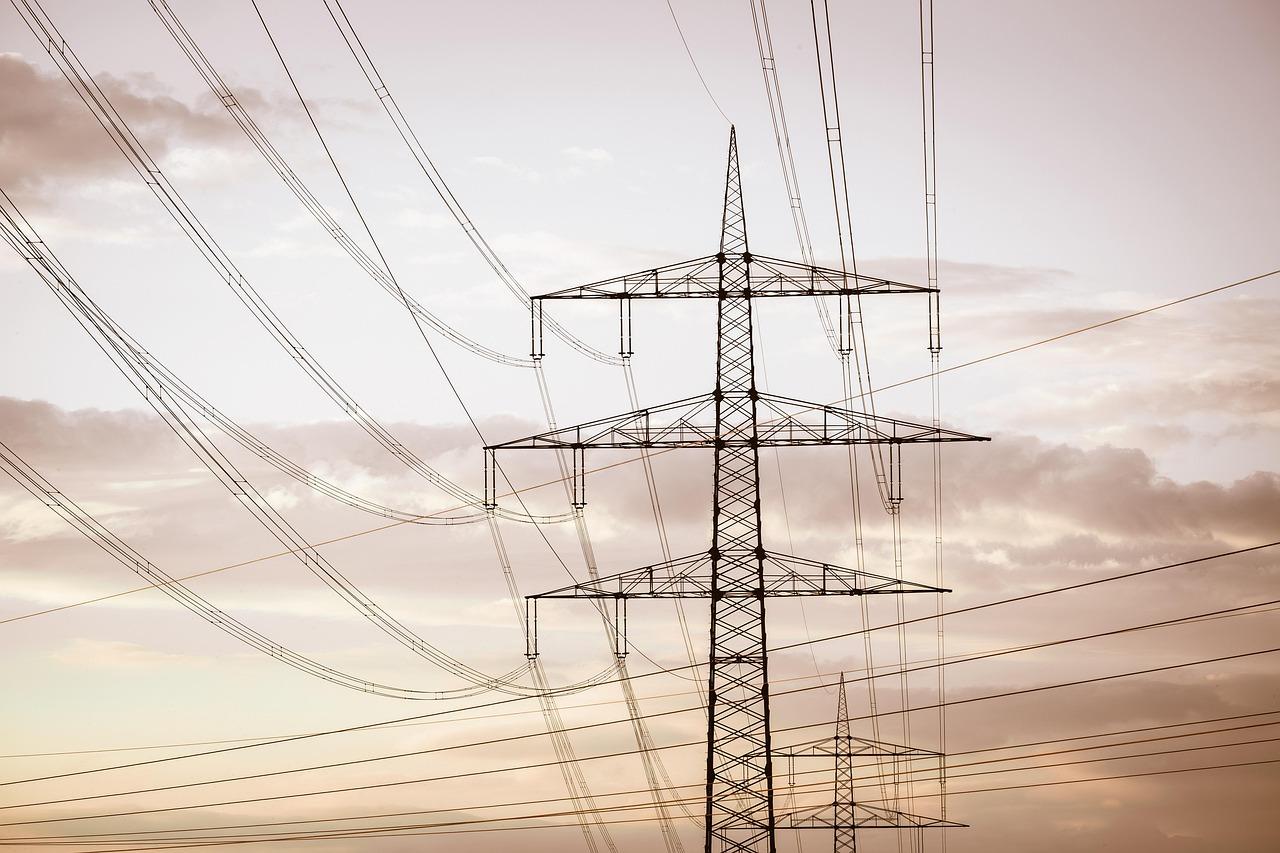
The Norwegian government and transmission operator Statnett have announced a temporary moratorium on accepting new network connection requests from energy-intensive data centres, citing risks to local power security.
The Norwegian government announced on Monday that it will restrict the rapid expansion of energy-intensive data centres in the country, saying the projected electricity demand from new facilities is beginning to threaten local power security.
What happened and why
Alongside the government announcement, the transmission system operator Statnett said on Monday it has temporarily stopped accepting new network connection requests from data centres. The moratorium will remain in place while authorities develop a new state licensing regime to regulate such investments.
Energy Minister Terje Aasland said Statnett received connection requests this year for 26,000 megawatts of new capacity. That figure exceeds Norway’s current total generation capacity, and about 75 percent of the requests came from data centres.
Although Norway currently produces more electricity than it consumes and is a net exporter, recent projections indicate the rapid rise in data-centre demand could lead to power shortages and higher electricity prices within a few years.
Key elements of the new approach
Torgeir Micaelsen, Minister for Digitisation and Public Administration, said the tightening aims to restore control and ensure only genuinely necessary facilities are built. Planned features of the new licensing system include:
- prioritising data centres that serve defence, police, emergency services and healthcare;
- favouring facilities that support critical infrastructure such as mobile networks and the financial system;
- limiting access to land and grid connections for global cloud providers and companies involved in crypto-mining, while continuing to support domestic artificial intelligence development.
The government also plans to require new data centres to cover the costs of network upgrades attributable to them. Authorities may additionally obligate some operators to build gas-fired backup plants equipped with carbon capture and storage (CCS) to secure their own power supply.
Why this matters
The move reflects a broader international pushback against the expansion of energy-hungry data centres. Critics argue such projects create relatively few local jobs while driving up energy prices and straining grids. Norway’s situation is noteworthy because, despite being a net exporter of electricity today, the aggregate new demand being proposed could undermine domestic supply security in the near term.
Next steps
During the moratorium, the government will design the new permitting rules and conditions for grid connections. Decisions to be finalised include how upgrade costs are allocated, the precise prioritisation criteria, and any technical requirements such as CCS-equipped backup generation.
The announcement was reported by Reuters. An AI assistant contributed to preparing this article; the final text was edited and verified by our journalist.
Related articles More from the section.

Nvidia faces continued scrutiny over chips allegedly diverted to China
Jensen Huang’s return as Nvidia CEO has not ended questions about whether the company knew its chips might be diverted to China by customer Megaspeed.
Regulation · November 25, 2026
Maryland Governor Wes Moore Calls for Urgent Congressional Action on AI
Maryland Governor Wes Moore says Congress should treat artificial intelligence oversight as an emergency during the first 100 hours of Democratic control.
Regulation · November 25, 2026
Huang-linked firms used AI servers to secure Chinese data centre financing
Companies linked to Chinese businesswoman Alice Huang pledged AI servers and modules as collateral for data centre financing, according to central bank records reviewed by Reuters.
