AI-generated text
Nirva raises $33M for jewelry-like wearable that listens only to its wearer
Business · October 22, 2026
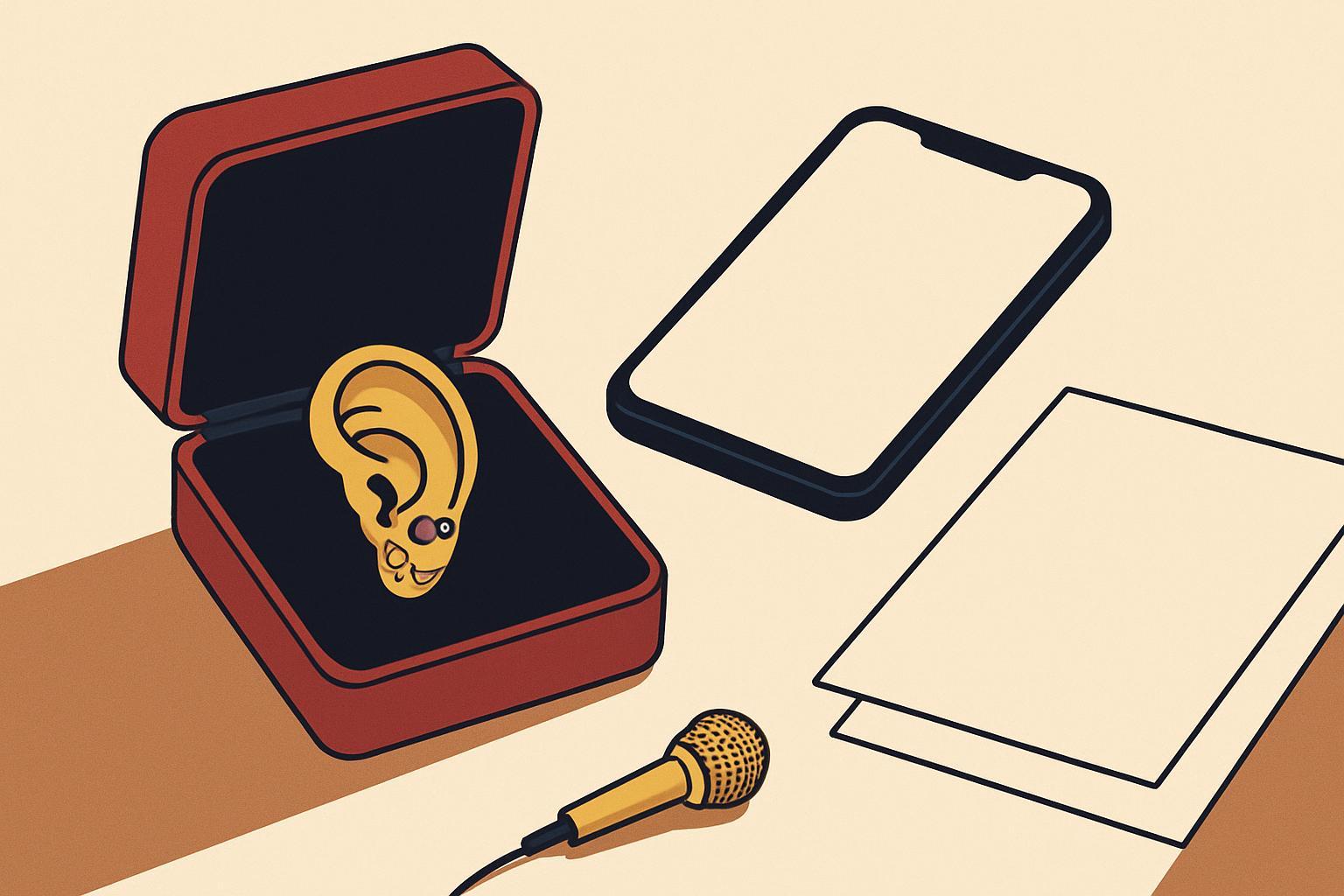
Nirva, founded in 2025 by former Meta Reality Labs employees Wei Lyu and Jason Chen and designer Hanying Hu, raised $25 million in a pre-Series A round, bringing total funding to $33 million.
In this article · 5
Nirva announced today that it closed a $25 million pre-Series A financing round, bringing its total funding to $33 million after an earlier $8 million raise this year. The company was founded in 2025 by Wei Lyu and Jason Chen, both former Meta Reality Labs employees, together with Hanying Hu, who previously founded a fashion and jewelry brand.
The device: a discreet, jewelry-like pendant and bracelet
Nirva’s first product is a pendant that can also be worn as a bracelet. The device weighs about eight grams and its battery is rated to last up to three days on a single charge, designed for all-day wear. The company says it plans to release additional devices over time.
The startup set out to build a wearable that blends with fashion while delivering practical value. "This is a piece of jewelry that only focuses on listening to your own speech. We are not like a voice recorder or like a meeting note taker," Nirva CEO Wei Lyu told TechCrunch. He added that the device passively listens to the wearer’s speech and continually models the user.
Privacy approach: onboarding voice samples and filtering others
To address privacy concerns around ambient devices, Nirva asks users to record short voice snippets during onboarding and uses those samples to train its model. During operation, the device filters out conversations and audio from other people nearby so that it records and processes only the wearer’s voice. By default, Nirva says it does not retain raw audio or transcripts after processing conversations.
Before discarding audio, the system analyzes attributes like tone, pitch, volume and speech rate. Those features are used to infer emotion-related signals and communication patterns that are surfaced in the companion app.
Product positioning: personal insights and nudges
Nirva positions itself as a company focused on personal insights rather than a pure productivity tool. Its companion app parses the user’s speech to generate inferred insights about personality patterns, frequent interlocutors, places visited and daily notes. Lyu said the product aims to help users show up better for others and improve self-understanding, self-compassion and self-awareness.
As an example, Lyu described forgetting to thank his mother for something; the app later nudged him with a reminder about that interaction.
Availability and price
Nirva will begin taking orders in November and aims to ship units to early users by the end of the year. The device will cost $249 and will be offered in silver, brushed silver, black and gold finishes.
Competitive landscape
Ambient AI and AI-enabled wearables are an active category: Amazon recently launched a wrist-worn device with Bee; Ambi—founded by a former Plaud executive—has been developing ambient apps and hardware; and Apple introduced Voice Intelligence features during its iPhone launch in September. Competitors named in this space include Taya, Vocci, Sandbar Ring, Friend and Bee. Earlier products such as Ray-Ban Meta smart glasses have also raised privacy concerns among people near device wearers.
Nirva is therefore attempting to differentiate by offering a fashion-forward wearable that continuously models and analyzes only the wearer’s speech to provide personal insights, while emphasizing measures intended to limit collection and retention of others’ audio.
Related articles More from the section.

LG Electronics reorganizes around growth businesses and streamlined management
LG Electronics is restructuring its operations for the 2027 business year, with a focus on robotics, AI data center cooling, mobility and smart manufacturing.
Business · November 25, 2026
Anthropic IPO drives surge in search interest
Anthropic’s November 19 Nasdaq debut raised a reported $81.34 billion, surpassing SpaceX’s earlier IPO record, before its shares lost their initial gains.
Business · November 25, 2026
Anthropic shares fall below IPO price as allocation practices come under scrutiny
Anthropic shares fell below their $83 IPO price on Tuesday, despite reported demand for six times the shares offered.
