AI-generated text
New York launches registration and enforcement under RAISE Act, requiring OpenAI and Anthropic to publish safety frameworks
Regulation · November 10, 2026
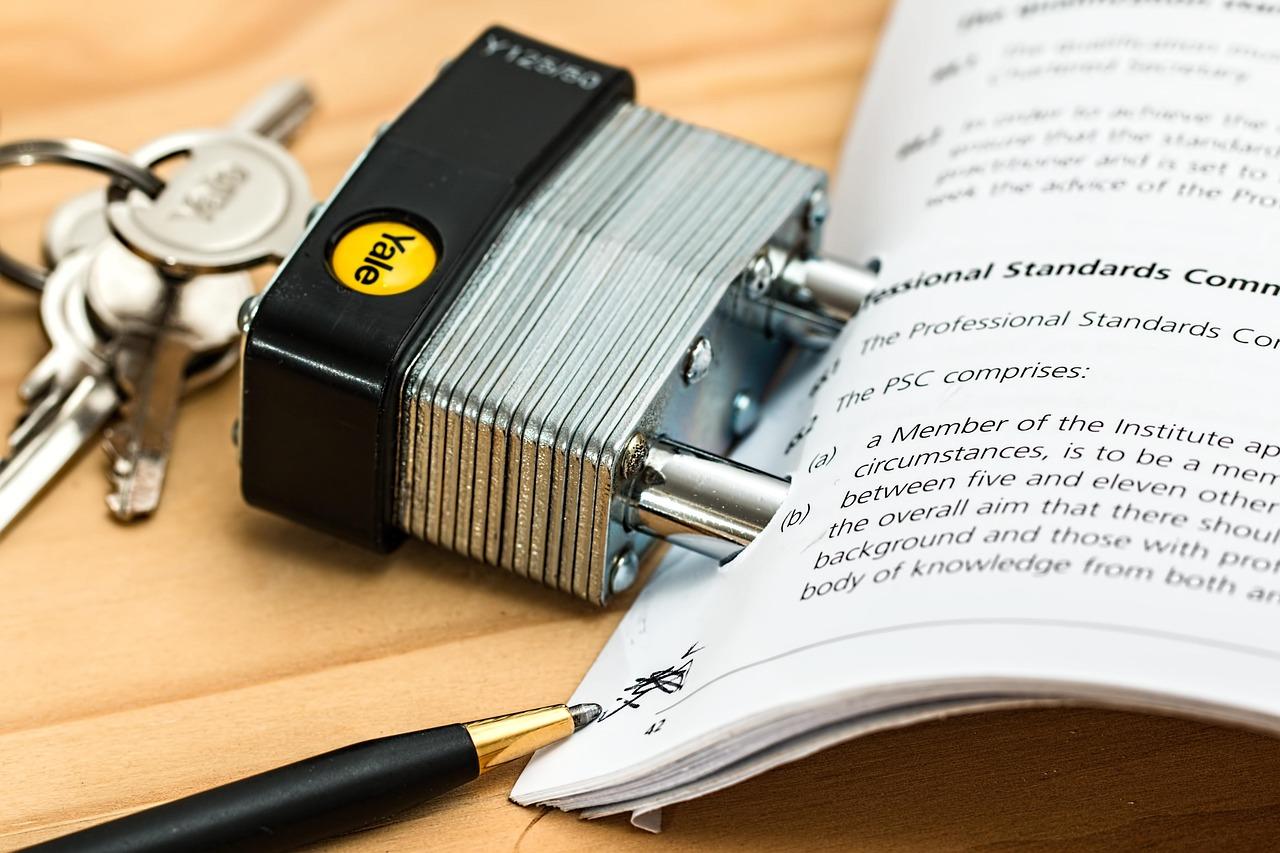
New York has opened a registration portal and will require large frontier AI developers such as OpenAI and Anthropic to register and publish safety frameworks under the RAISE Act by January 1, 2027.
In this article · 5
New York State opened a registration portal on Tuesday that will require large frontier AI developers — including Anthropic and OpenAI — to register by January 1, 2027. The portal is part of the state’s implementation of the RAISE Act, which takes effect at the start of next year.
Requirements under the RAISE Act
The RAISE Act, New York’s safety and transparency law for advanced AI, imposes obligations on large frontier developers defined as companies with more than $500 million in annual revenue. Key requirements include:
- publishing safety frameworks on the companies’ websites;
- reporting critical safety incidents within 72 hours;
- issuing public model transparency reports.
The newly created Office of Digital Innovation, Governance, Integrity, and Trust (DIGIT) will carry out the RAISE Act and oversee large frontier AI labs.
Penalties and enforcement
Violations of the RAISE Act can result in fines of up to $1 million for a first violation and up to $3 million for subsequent violations. The state may also take enforcement actions against companies that fail to register through the new portal; a spokesperson declined to provide further specifics about such actions.
New research and oversight center at SUNY Binghamton
Governor Kathy Hochul announced the launch of the New York Center for AI Responsibility and Research on Tuesday; the center will be based at State University of New York’s Binghamton University. The center is intended to independently evaluate the safety, security, and operation of advanced AI systems and to work with DIGIT in reviewing companies’ safety frameworks. Hochul first announced the center in January and said it is backed by $55 million in donations and capital.
"Tech moguls tell us that their vision for AI is inevitable," Governor Hochul said at the press briefing. "They tell us get on board or get left behind… That any collateral damage is worth it as long as we win the race to the AI cliff."
Other New York AI laws
The RAISE Act supplements earlier New York measures. Last year the state began enforcing a law requiring AI companion operators to regularly notify users that they are interacting with a bot and to make reasonable efforts to detect suicidal ideation and self-harm.
In October, Governor Hochul signed a separate chatbot safety law aimed at minors. That law restricts behaviors such as deceptive human-like interactions, emotionally manipulative or sycophantic responses, and encouragement of suicide or disordered eating; it takes effect on June 1, 2027.
Broader state-level developments
Other U.S. states have enacted similar safety and transparency laws. California’s SB 53, effective in January, requires frontier AI labs to have and publish safety frameworks, implement whistleblower protections, and report critical safety incidents within 15 days. Illinois’ SB 315, which goes into effect at the start of 2027, contains comparable requirements and also includes independent safety compliance audits.
New York’s measures are part of a wider, rapid state-level regulatory response to the risks and transparency needs posed by advanced AI systems.
Related articles More from the section.

Nvidia pauses some server shipments to Southeast Asia
Nvidia has told manufacturing partners to pause server shipments to four Southeast Asian countries while it reviews compliance with U.S.
Regulation · November 26, 2026
Lawyer warns companies of AI compliance and data protection risks
At the AI & Digital Transformation 2026 conference, Taylor Wessing lawyer János Kopasz warned that companies face regulatory risks even before the EU AI Act is fully applied.
Regulation · November 26, 2026
Pentagon Denies Report of Proposed Pressure to Restore Jensen Huang at Nvidia
The Washington Post reported that Pentagon leaders discussed using a Cold War-era law to pressure Nvidia over Jensen Huang’s return as chief executive, a claim a Defense Department official denied.
