AI-generated text
Micron posts strong fiscal results as AI-driven memory demand soars
Business · October 1, 2026
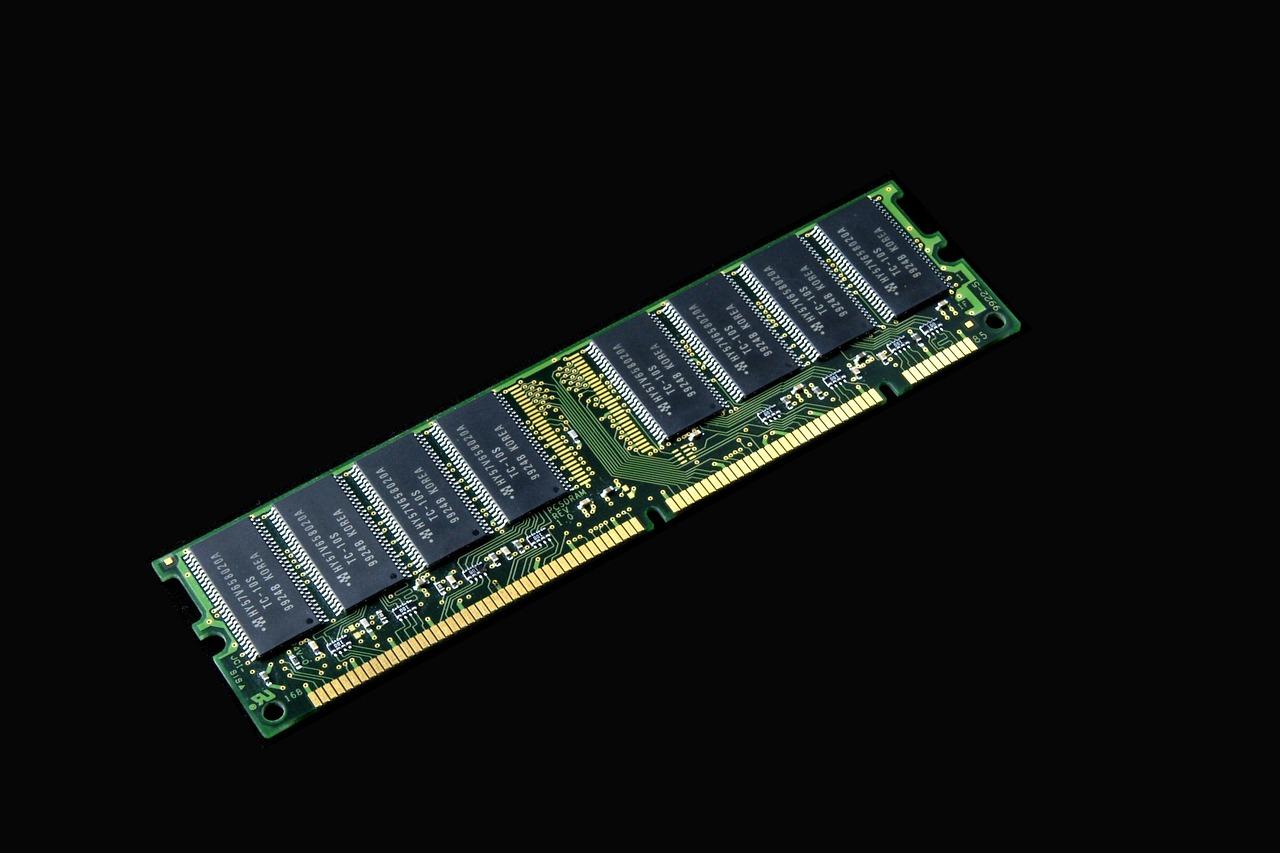
Micron reported far stronger-than-expected results for the fourth quarter of fiscal 2026, driven by surging demand for high-bandwidth memory (HBM) used in AI applications.
In this article · 6
Micron closed fiscal 2026 with results well above expectations, reflecting a surge in demand for memory chips driven by artificial intelligence workloads. CNBC reported the company’s stronger-than-expected quarter and guidance.
Financial results and guidance
In the fourth fiscal quarter, Micron recorded revenue of $54.2 billion, compared with analysts’ expectations of $51.1 billion. Adjusted earnings per share (EPS) were $33.42, above the $31.61 market consensus. Revenue nearly quadrupled from $11.3 billion a year earlier, and net income jumped from $3.2 billion to $37.7 billion.
For the first quarter of fiscal 2026, the company projected roughly $61.5 billion in revenue and $38.15 in adjusted EPS, both figures comfortably exceeding market expectations.
HBM and DRAM drive growth
The primary growth engine is high-bandwidth memory (HBM), of which Micron is the only U.S. manufacturer. DRAM revenue grew 343% year-over-year in the quarter to $39.8 billion, representing 73% of total revenue.
CEO Sanjay Mehrotra said on the earnings call that Micron is working with NVIDIA on the industry’s first bespoke HBM solution. Unprecedented memory demand from AI models has created a global supply bottleneck, pushing memory prices higher — an effect already visible in consumer electronics prices such as Apple iPads and MacBooks.
Capacity expansion and investment
To meet demand, Micron launched a $250 billion investment program to build two new fabs. Groundbreaking for the larger facility took place in January in the town of Clay, New York; a new plant in Boise, Idaho is scheduled to begin production next year.
Competitors including SK Hynix and Samsung have also begun large-scale capacity expansions in South Korea.
Labor issues and compensation
The company faces labor challenges as several hundred workers at its Taiwan factories threatened strikes over pay and conditions. Mehrotra said on the call that Micron increased compensation for all employees during fiscal 2026.
Why it matters
Micron’s strong quarter highlights how rising memory needs from AI are reshaping demand in the semiconductor market. The company’s optimistic guidance, substantial investment program, and collaboration with NVIDIA indicate an effort to capitalize on this window of opportunity, while managing labor and production constraints will be critical for sustaining performance.
Related event
The Portfolio Investment Day on October 21 will address similar topics, including investment strategies and technology trends.
Related articles More from the section.

LG Electronics reorganizes around growth businesses and streamlined management
LG Electronics is restructuring its operations for the 2027 business year, with a focus on robotics, AI data center cooling, mobility and smart manufacturing.
Business · November 25, 2026
Anthropic IPO drives surge in search interest
Anthropic’s November 19 Nasdaq debut raised a reported $81.34 billion, surpassing SpaceX’s earlier IPO record, before its shares lost their initial gains.
Business · November 25, 2026
Anthropic shares fall below IPO price as allocation practices come under scrutiny
Anthropic shares fell below their $83 IPO price on Tuesday, despite reported demand for six times the shares offered.
