AI-generated text
Meta turns excess AI compute into a cloud business to placate investors
Business · July 2, 2026
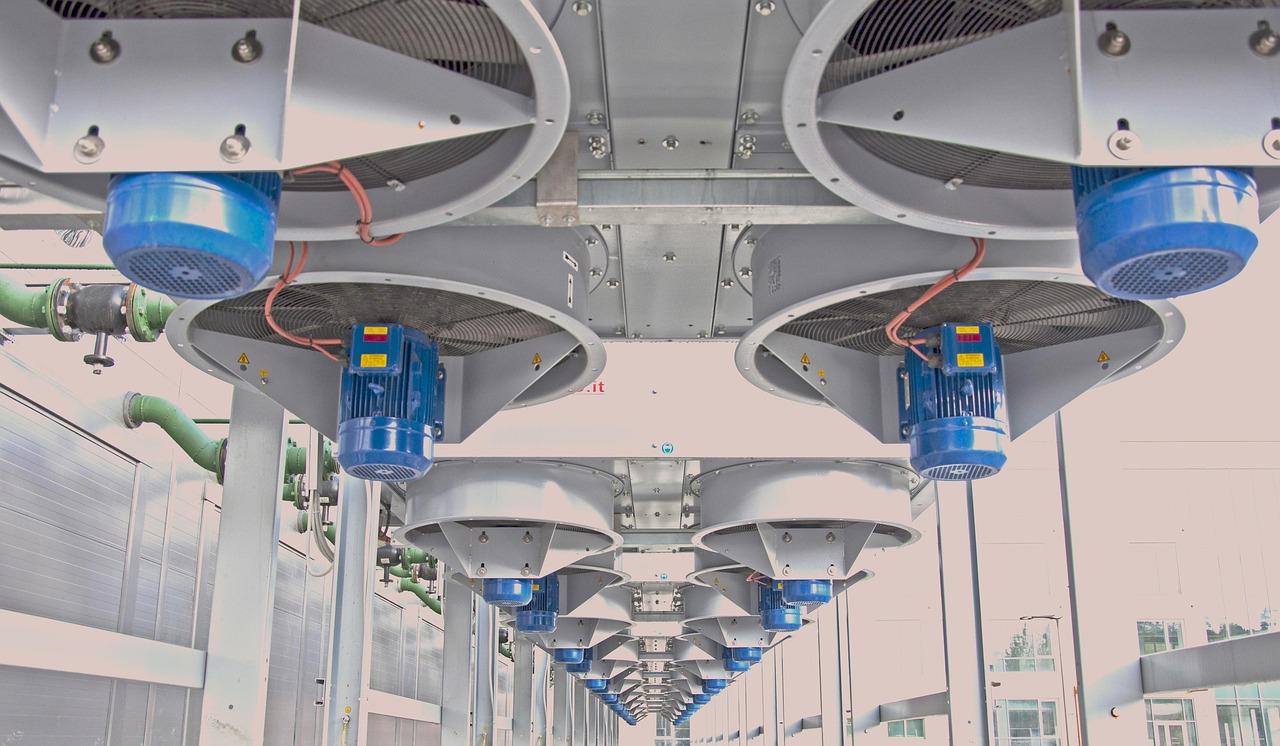
Meta has begun offering surplus compute capacity to external customers, signaling a shift from earlier statements that any extra compute would be used to accelerate its core apps and advertising business.
Meta has started offering its excess compute capacity to external customers, effectively creating a cloud business that monetizes spare AI infrastructure. The announcement is notable because major tech firms, including Meta, have long maintained that the industry faces a shortage of compute, not a surplus.
What Zuckerberg said before
Eight months ago Mark Zuckerberg took a different position: in October he said Meta would use any extra compute “to accelerate our core [advertising and apps] business,” arguing those areas could profitably absorb much more compute than the company had been able to allocate.
What changed
Investor patience is wearing thin. Meta’s stock has fallen about 14% this year as shareholders pressed the company over what it would deliver for roughly $135 billion in projected capital expenditures. At the same time, rivals such as Alphabet and Amazon have seen their shares rise, supported in part by strong growth in cloud revenue.
Why this matters
For Meta the new cloud offering serves two purposes. It creates an explicit revenue line tied to the billions the company is spending on AI hardware, and it signals to the market that the company is attempting to monetize the capacity it has built up. Previous consumer-facing attempts to squeeze more revenue out of users — tiered Instagram subscriptions and fees for heavy chatbot users — were unlikely to close the gap alone.
Industry context
There is a distinction between discovering a surplus and deliberately stockpiling a resource with the intent to resell it. Amazon’s AWS was originally built to meet Amazon’s own internal needs before the company realized the service could be sold profitably to others. Meta, primarily a software and advertising company, could equally well be a customer of hyperscalers rather than a competitor; nevertheless, Mark Zuckerberg has favored maintaining a cutting-edge, in-house technological position.
Market reaction
Bloomberg’s report that Meta would sell spare compute briefly lifted its shares by about 9%. Still, the broader market message is blunt: investors expect improved cash flow, and pressure will persist until financial performance demonstrates better returns on the company’s massive AI investments.
Bottom line
Meta’s move to monetize excess compute is a direct response to investor concerns and an attempt to link AI spending to revenue. If it becomes a durable source of income, it may ease investor worries; if it proves a temporary fix, the market will likely keep pressing for clearer signs of return on the company’s capital expenditures.
Related articles More from the section.

EU considers technology fund of up to €50 billion for AI and quantum companies
The European Union is considering a technology investment fund of up to €50 billion to help its companies compete with US and Chinese rivals.
Business · November 25, 2026
Anthropic Shares Fall Below IPO Price After Market Debut
Anthropic shares fell below their $83 offering price less than a week after the company's stock market debut, Reuters reported.
Business · November 25, 2026
Nvidia reinstates Jensen Huang amid inquiry into China ties
Nvidia shares rose more than 30% on November 23 after its board reinstated Jensen Huang as chief executive and director.
