AI-generated text
Legacy grids strain as data platforms and AI become central to the energy transition
Industry · June 16, 2026
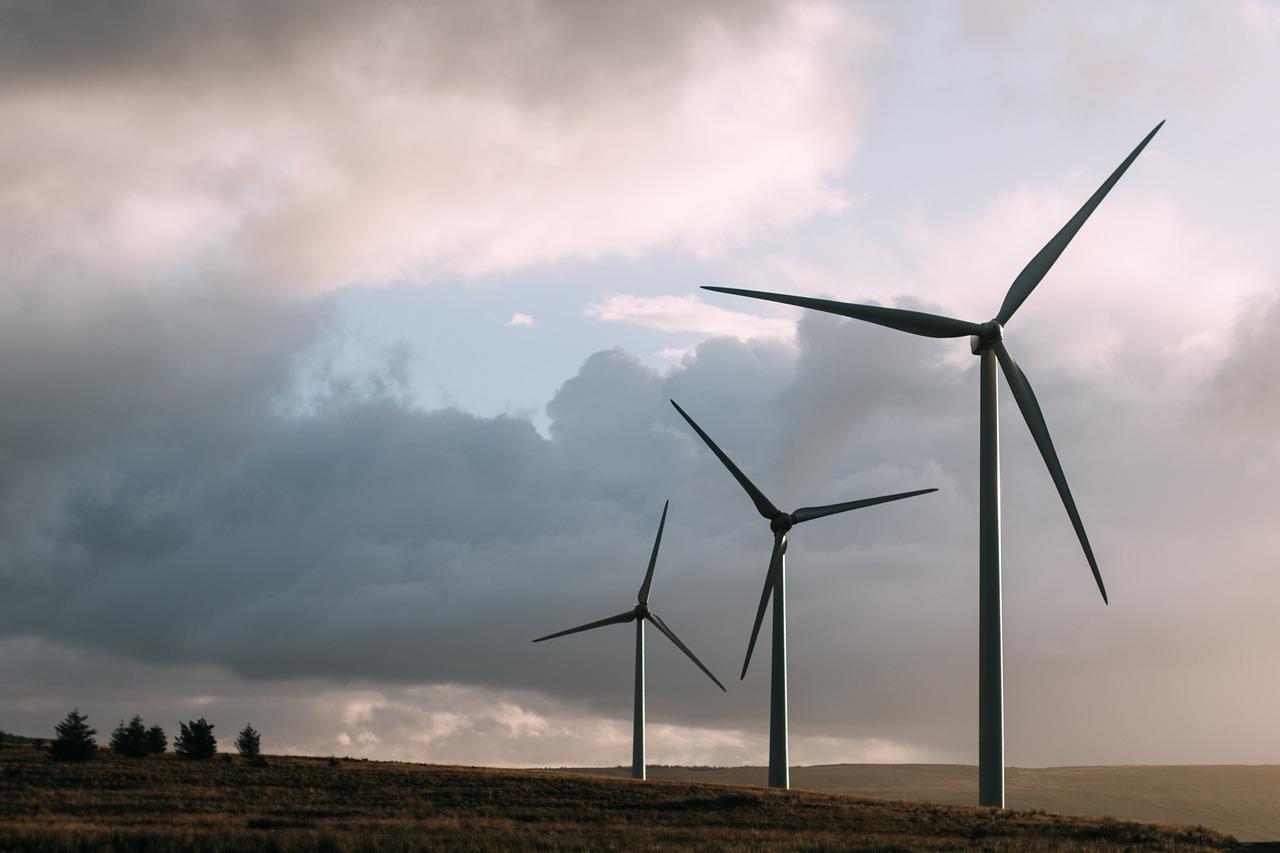
Traditional utility IT and operational models are straining under rapid changes in generation and demand driven by renewables, electric vehicles, heat pumps and data centres.
In this article · 7
The electricity system is under growing pressure as renewables, electric vehicles, heat pumps and data centres change consumption and generation patterns. Many incumbent utilities still rely on decades-old IT and operational models. Charlotte Johnson, head of resilience at Kraken Technologies, argues these conditions make a shift to cloud-based, data-driven platforms necessary to coordinate millions of devices.
What the new operating model requires
Johnson points out that traditional systems were designed for the 19th–20th century: predictable demand and a handful of large centralized plants. Today, managing millions of heterogeneous devices requires:
- migration from fragmented legacy systems to cloud platforms,
- unified data models and system-wide data visibility,
- embedding AI into operational processes rather than adding it as an afterthought.
Kraken Technologies launched in 2016 in the United Kingdom as part of Octopus Energy; its founders identified early the digitalisation opportunities across customer service and the complexity arising from growing renewable generation.
Hardware diversity and standards are a major challenge
Markets are highly fragmented, with thousands of manufacturers and multiple communication standards. As electrification accelerates — more electricity used for mobility, heating and cooling — household devices increasingly behave like networked assets. Integrating these large-load devices into the grid is a key part of the transition, and it creates substantial engineering and software complexity. Cross-industry collaboration is required; one initiative Johnson highlights is the Mercury Consortium, founded with the Electric Power Research Institute (EPRI) to develop functional standards and reduce barriers to integrating devices into modern, resilient energy systems.
Virtual power plants and demand-side flexibility
Kraken says the transition must be managed at system level: supply and demand need to be coordinated by intelligent software across millions of connected assets. Kraken’s virtual power plant aggregates more than 500,000 residential devices, including electric vehicles, heat pumps and smart thermostats. The residential and utility-scale assets managed on its platform represent more than 7 GW of capacity in total.
A large-scale example of battery deployment is the 300 MW Blackhillock project in Scotland, operated by Zenobē. The operator estimates the project could save around €200 million in system costs over 15 years.
Avoiding instability from mass coordination
Johnson warns that flexibility’s value comes from tightly coordinated, system-level operation, not isolated device optimisation. Platforms must consider network, market and consumer signals together so that aggregated responses are predictable and beneficial to system stability. Achieving this requires forecasting, automated decision-making, real-time data and control mechanisms capable of managing risks from mass responses.
Market differences across Europe
European markets differ significantly in regulation and physical grid characteristics. Johnson notes Hungary’s strong nuclear baseload and contrasts it with the United Kingdom’s relatively faster adoption of consumer participation and flexibility. These differences increase complexity but reinforce the need for modern, data-driven infrastructure to build resilient energy systems. The core challenges — integrating more renewables, supporting electrification and reducing network congestion — are shared across markets.
Measuring AI’s value and continuous delivery
Johnson stresses AI should be judged by practical outcomes: supporting faster, higher-quality customer service, reducing repetitive work and improving operational performance. Kraken’s delivery cadence is a tangible example of its operating model: the company updates its codebase every 10 minutes, amounting to roughly 200 software deployments per day. This enables faster innovation and lower risk per release.
Conclusion
Building resilient electricity systems and unlocking demand-side flexibility increasingly depends on technology, data and collaboration. Cloud platforms, unified data models and AI embedded in operations are essential to manage the complexity introduced by renewables and electrification while maintaining reliable, cost-effective supply.
The article was supported in production by the Hungarian-optimized Alrite online dictation and video subtitling application.
Related articles More from the section.

Tech Selloff Resumes as Neocloud Debt Concerns Grow
Technology stocks fell again on Wednesday as a rally following Jensen Huang’s return to Nvidia lost momentum.
Industry · November 25, 2026
How to Assess the Business Impact of AI-Assisted Development
AI-assisted software development can be costly, and its returns remain uncertain.
Industry · November 25, 2026
Huang’s Conduct Admission Tests Nvidia’s Workplace Culture
Jensen Huang has acknowledged violating Nvidia’s code of conduct while arguing that a breach does not automatically require dismissal.
