AI-generated text
July volatility driven by AI sell-off and market rotation, VIG Alapkezelő says
Industry · July 31, 2026
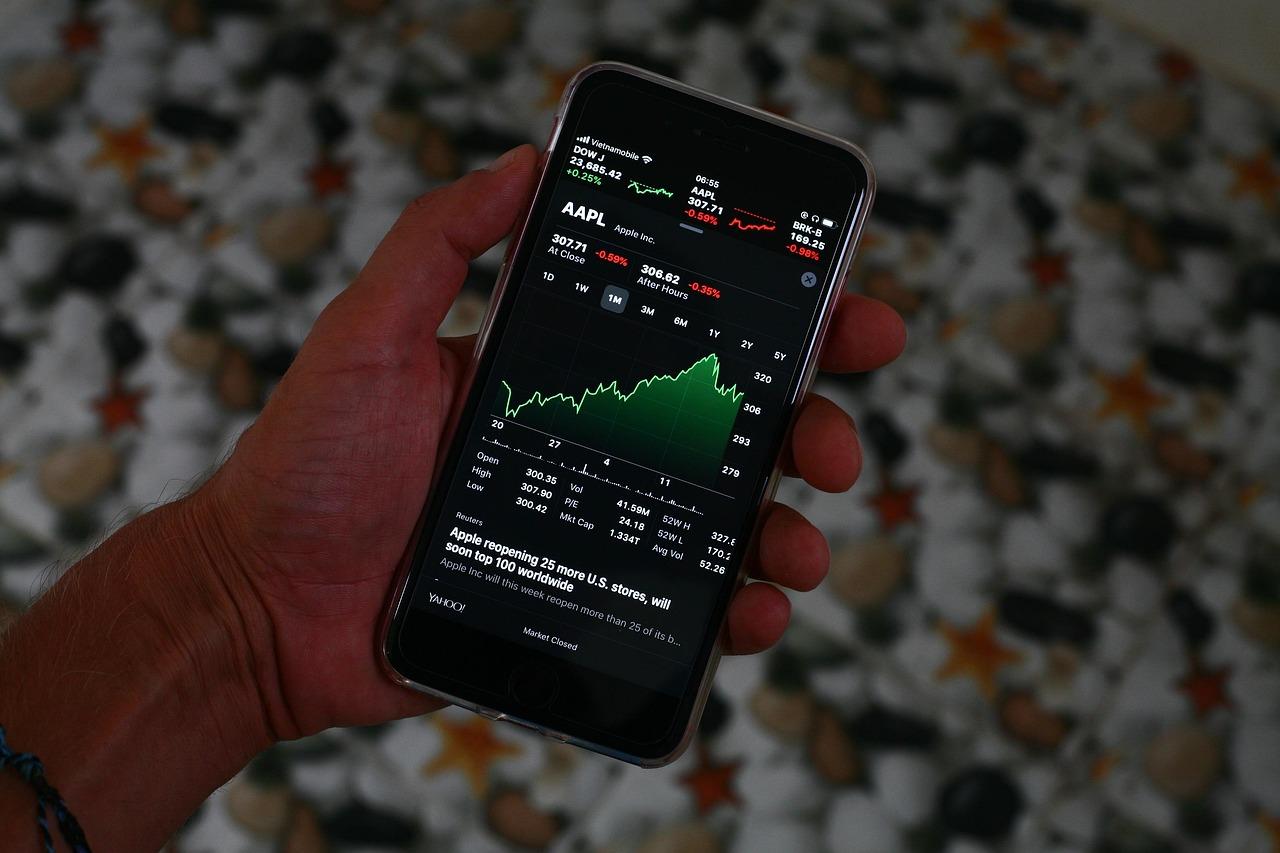
VIG Alapkezelő attributes July’s market volatility to a pause in AI-driven investment momentum, monetary policy uncertainty and broad sector rotation.
In this article · 6
According to VIG Alapkezelő's July assessment, the month was dominated by monetary-policy uncertainty and a slowdown in what had appeared to be an almost unlimited wave of artificial-intelligence investment. The Federal Reserve’s new chair, Kevin Warsh, deliberately rejected forward guidance, encouraging markets to focus on real economic data rather than central-bank signalling. Although the Fed left its policy rate unchanged, the absence of forward guidance increased volatility in the bond market.
Equities: semiconductor rally peters out and broad rotation
The US equity market saw the semiconductor rally lose momentum: the sector index SOX fell by more than 20% in July, its worst one-month performance since September 2001. At the same time there was significant rotation between hyperscalers and software firms on one hand, and chip manufacturers on the other. Equal-weight S&P 500 and the Russell 2000 indices persistently outperformed the largest-cap megacap segment.
Support came from a strong corporate earnings season and easing core inflation, while risks included an oil-price shock linked to the Iran conflict and the increasing reliance of AI investments on credit and circular financing structures.
Asia: Japan, China and South Korea developments
The Japanese yen weakened to levels not seen since 1986. In China, GDP growth proved firmer than pessimistic expectations; technology exports and state-driven capital inflows helped stabilise Chinese capital markets. Chinese AI models such as Kimi K3 and Qwen, with lower development costs, led global market participants to reassess the necessary scale of US chip investment.
South Korea was the most volatile market of the month: extreme swings in SK Hynix and Samsung shares, collapses in retail leveraged ETFs and substantial foreign outflows left the KOSPI with a poor month. Despite this, the Bank of Korea raised rates because inflation showed an upward trend.
Europe: ECB stance and energy-related risks
The European Central Bank held rates in July, judging growth and inflation risks to be balanced and postponing any further action to September. Attacks on Russian refinery capacity and disruptions in the Strait of Hormuz pushed diesel and gas prices higher, posing both inflationary risks and a drag on growth.
Germany’s auto sector (including Volkswagen and Mercedes) downgraded outlooks due to weaker Chinese demand, while continental banks reported a strong quarter and the defence sector benefited from post-NATO summit spending pledges.
Central Europe and regional risks
Central Europe experienced mixed effects from global risk-off sentiment and high-interest-rate conditions. The Hungarian forint remained relatively resilient against a stronger US dollar, helped by the region’s status as a higher-yield, lower-volatility currency environment.
A notable regional event was OTP Bank’s acquisition of Luminor: entry into the Baltic banking market is considered value-creating and diversifying, but it carries significant regulatory risk. VIG Alapkezelő also highlighted a US Senate proposal for Russia-related sanctions that, if passed, would impose a 100% tariff on Russia’s largest oil buyers — including Hungary — which could materially affect regional energy supplies and fiscal risks.
Model portfolio: currency exposures
The VIG Alapkezelő’s illustrative medium-risk, mid-term model portfolio shows the following currency exposures:
- HUF exposure: 25.2%
- EUR exposure: 32.9%
- USD exposure: 32.9%
- Other-currency exposure: 9.0%
The asset allocation is provided for information only and this text does not constitute investment advice or a recommendation. Detailed legal information is available in VIG Alapkezelő’s documentation.
Conclusion
VIG Alapkezelő concludes that July’s markets were shaped by a combination of reduced AI investment momentum, shifts in monetary-policy communication, and a series of regional and sector-specific shocks, producing heightened volatility and notable intra-market rotations.
Related articles More from the section.

Magyar Telekom expands Budapest data center for AI workloads
Magyar Telekom is investing several billion forints to expand its Budapest data center for conventional computing and AI-related workloads.
Industry · November 25, 2026
AI and commercial data requests put pressure on US public records offices
Public records offices across the United States are facing growing workloads as businesses collect government purchasing data and individuals use AI to draft requests.
Industry · November 25, 2026
Asian tech shares fall as investors question returns on AI spending
Asian technology stocks fell sharply on Wednesday after another sell-off on Wall Street, with Japanese companies exposed to the AI supply chain among the biggest losers.
