AI-generated text
Industrial AI as an Operational Strategy: uptime, quality and energy efficiency first
Industry · May 27, 2026
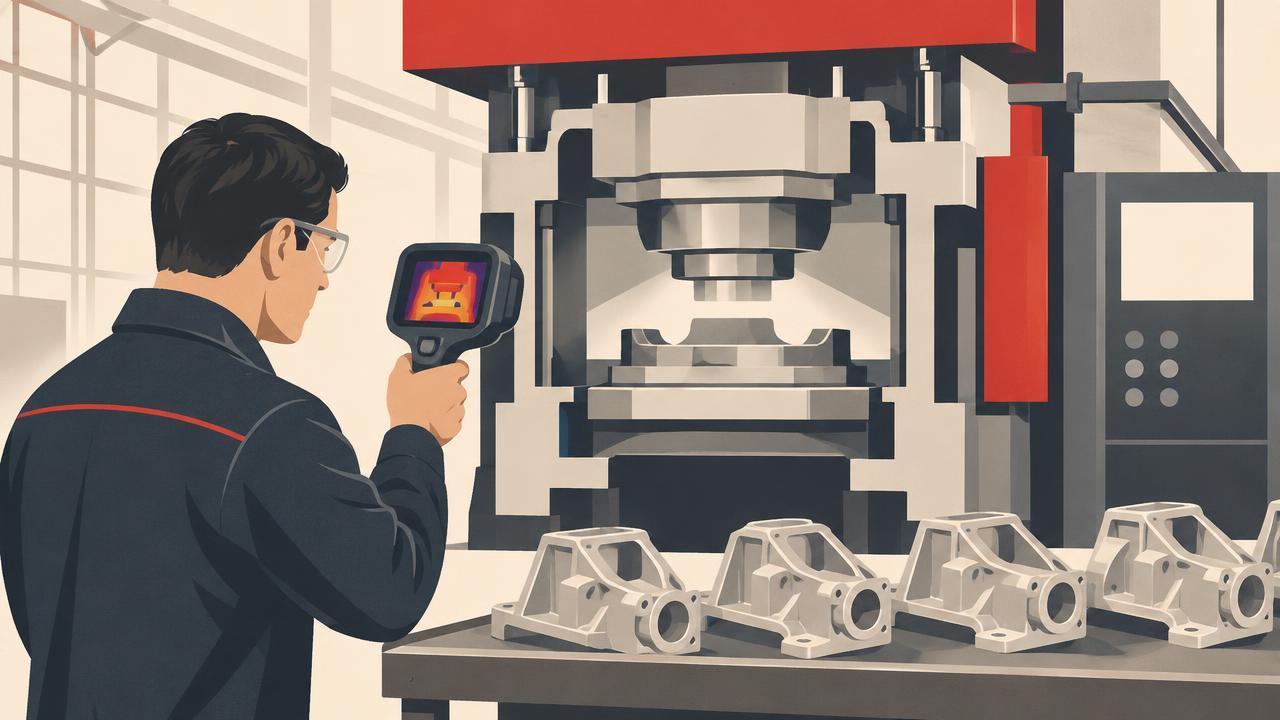
evosoft Hungary Product Operations Lead Zoltán Kalmár argues that in factories AI must support operational decisions—uptime, quality, energy use and safety—rather than focus on generative text.
In this article · 5
Zoltán Kalmár, Product Operations Lead at evosoft Hungary Kft., argues that artificial intelligence in industrial settings plays a fundamentally different role than in consumer-facing applications. While most AI conversations today focus on text generation, search and content creation, in a factory the priority is that AI reliably supports decisions about uptime, performance, product quality, energy consumption and safety.
In industrial environments an AI error can have far-reaching consequences: a mistaken decision may trigger an unplanned shutdown, damage equipment, destabilize a process or create safety risks. For that reason, off-the-shelf generative AI solutions are not by themselves suitable for running factories, power plants or stabilizing electrical grids.
What counts as success in industry?
According to Kalmár, true industrial transformation is measured by operational outcomes: fewer faults, reduced energy use and more stable systems. The key to success is not flashy pilot projects or proofs of concept, but repeatable, validated deployments that work in industrial conditions.
He cites a study in which 92% of manufacturing leaders view smart production as a primary driver of competitiveness in the coming years, while 74% of companies still struggle to scale AI solutions. The recurring issue is that industrial AI requires a different mindset and approach than prior technology adoptions.
Pace of adoption and practical examples
Kalmár used historical comparison to illustrate the speed of change: whereas steam engines, electrification and computers took decades to diffuse into industry, AI adoption could compress that timespan significantly — potentially to about seven years.
Practical examples referenced in the talk included implementations in Pringles production, automotive applications, energy-market actors and food-industry manufacturers. One key energy-related lesson was that the easiest energy to save is the energy you never consume: industrial AI can reduce direct consumption but also prevent scrap, rework and unnecessary machine cycles.
“Every defective product is wasted energy that someone already paid for,” Kalmár said, underlining that quality improvements lead directly to energy and cost savings.
Role of generative tools
Kalmár notes that tools like ChatGPT are useful for accelerating daily tasks, where small errors are acceptable or tolerable. However, the real industrial transformation happens where AI generates outcomes rather than text — measurable reductions in defects, lower energy consumption and more reliable operations.
Conclusion
Industrial AI is no longer primarily an innovation showcase but an operational strategy aimed at improving manufacturing competitiveness, energy efficiency and reliability. Achieving this requires repeatable, industrially validated deployments rather than isolated pilot projects. The factories that make AI part of their control and decision-support layers will be best positioned going forward.
Note
The topic is also addressed at the Portfolio Financial IT conference, which the source mentions will take place on May 28.
Related articles More from the section.

AI and commercial data requests put pressure on US public records offices
Public records offices across the United States are facing growing workloads as businesses collect government purchasing data and individuals use AI to draft requests.
Industry · November 25, 2026
Asian tech shares fall as investors question returns on AI spending
Asian technology stocks fell sharply on Wednesday after another sell-off on Wall Street, with Japanese companies exposed to the AI supply chain among the biggest losers.
Industry · November 25, 2026
imagi expands school AI platform as Hungarian education guidelines take shape
Education technology company imagi has shifted from selling a programmable device for girls to licensing a supervised AI platform to schools and governments.
