AI-generated text
iFood builds internal platform to automate repository tasks
Tools · November 24, 2026
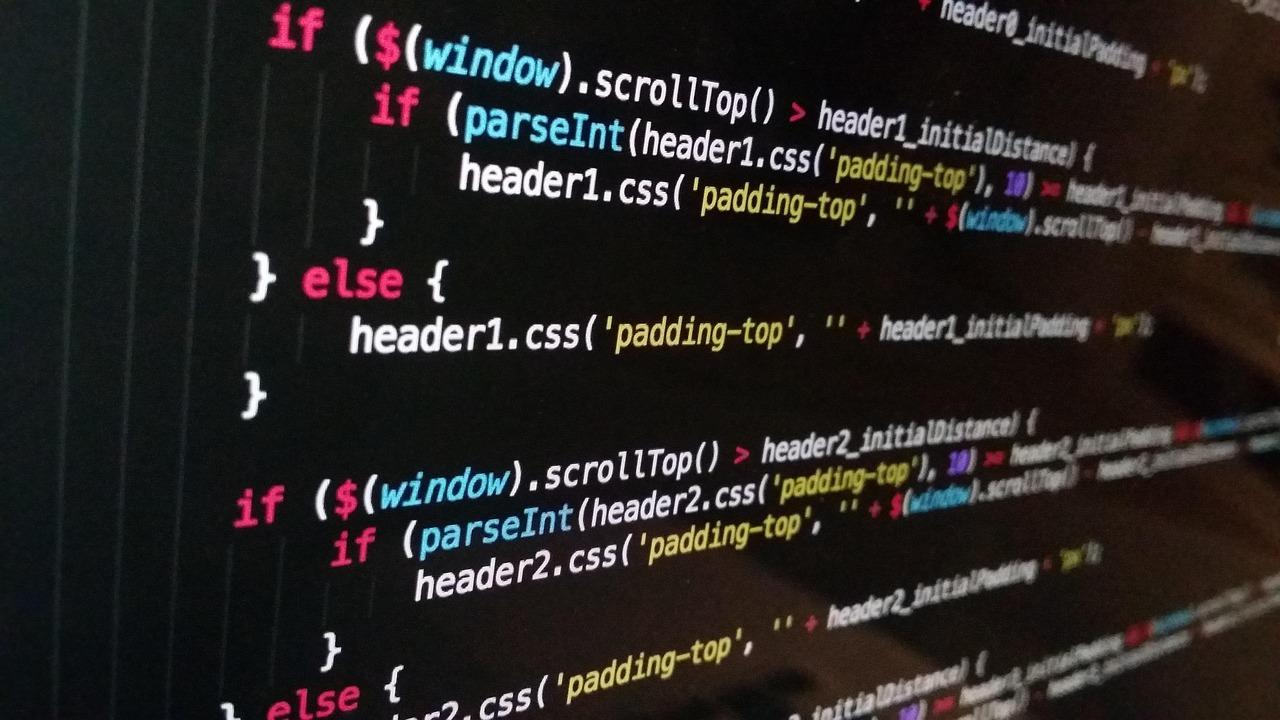
iFood has built a platform that lets teams delegate coding tasks across more than 15,000 repositories through an API.
In this article · 3
iFood is using its Remote Agents Platform to help manage more than 15,000 code repositories, allowing teams to launch automated tasks remotely. After its internal security product migrated to the platform, both the accuracy of fixes and the number of vulnerabilities resolved more than doubled.
The repositories periodically need checks against internal standards, repairs to vulnerable dependencies and other analyses. Victor Coelho, Senior Software Engineer at iFood, said such tasks are straightforward for a single repository but require shared infrastructure at scale. Previously, teams built separate solutions, each of which had to address the problem of running agents.
Launching tasks through an API
The Remote Agents Platform receives a task prompt and environment requirements through a REST API. Execution takes place in an isolated remote sandbox; progress can be monitored in real time and the result retrieved later. Code changes are returned as a merge request.
The workflow combines predetermined steps with agentic execution. The platform first clones the repository, imports the skills available to the agent and sets up a working branch. GPT‑5.6 Luna then performs the task inside the sandbox, after which the platform publishes the merge request and makes the resulting artifacts available.
The Ubuntu-based sandbox includes the Python, Java, Kotlin, C#, TypeScript, Rust, JavaScript and Go toolchains used in iFood’s environment, as well as general-purpose utilities. The agent can also access Nexus, GitLab, Docker, Snyk, Kubernetes and AWS. According to Coelho, the team selected the model by considering its capabilities, efficiency and execution speed together.
Security results and costs
The internal security product uses the platform to scan repositories for vulnerable dependencies and attempt repairs. The security team therefore did not have to build its own agent runtime: it could delegate tasks through the API.
After a run finishes, OpenAI Structured Outputs makes its output conform to a predefined contract. This helps the platform handle successful and unsuccessful results in a structured way, which is particularly important when managing many tasks at once.
The Remote Agents Platform has completed more than 25,000 tasks and consumed more than 27 billion tokens. The average cost per run was US$0.04. For iFood, that cost is not just an operating metric: it affects which tasks can sustainably be automated at scale.
Further applications
Asynchronous execution allows developers to launch a code fix or performance analysis, for example, while they are in a meeting, without continuously monitoring the work. The team says this leaves more attention for problems requiring human judgment.
The platform’s design was inspired in part by OpenAI’s Batch API and Agents API, including their interfaces, resource organization and approach to retrieving results later. The iFood team plans to expand the system beyond the security application to more internal products and use cases; the cost per task will remain a key factor in whether that expansion is sustainable.
Related articles More from the section.

Claude creates game-style map from US public data
A developer used Anthropic's Claude Code application and Opus 5.5 model to create a Civilization-style map of the United States.
Tools · November 26, 2026
Latest version of workflow promises tenfold speedup
According to the developers of the workflow package, workflows have become ten times faster once again, reducing latency between turns in systems such as @eve, libfx, pi and opencode.
Tools · November 25, 2026
Linear shifts product strategy toward AI agents
Linear is recasting its issue tracker as a product development system built around coordinating AI agents.
