AI-generated text
Hungary expands Central Fraud-Filtering System to all domestic forint transfers
Industry · July 2, 2026
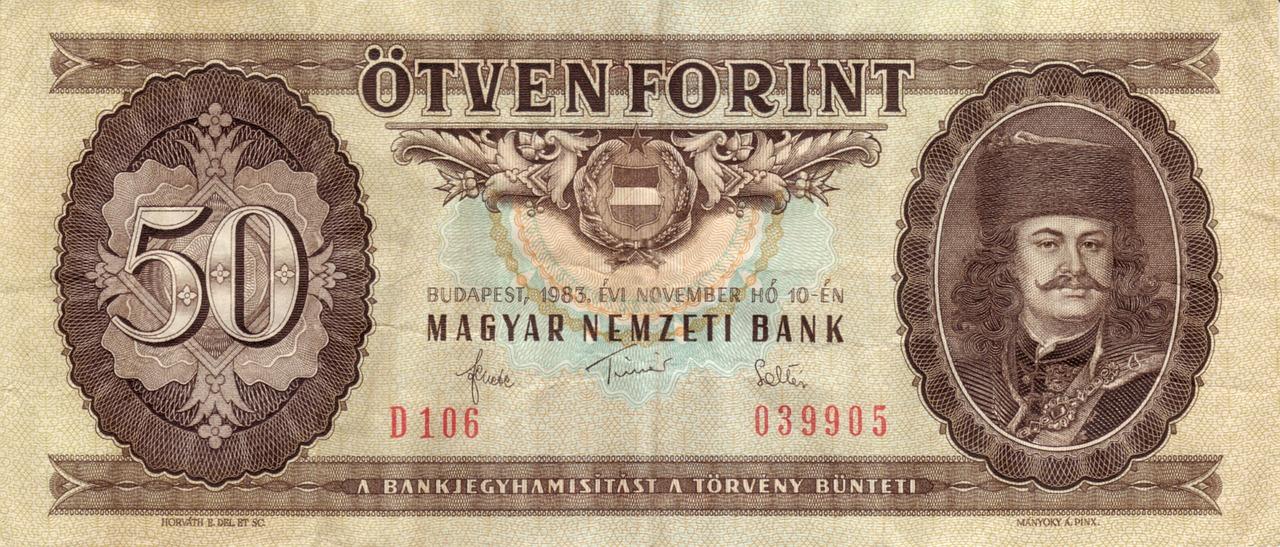
On 1 July 2026 the Központi Visszaélésszűrő Rendszer (KVR) entered its second development phase, extending real‑time risk screening from instant payments to all domestic forint transfers.
In this article · 5
On 1 July 2026 the Központi Visszaélésszűrő Rendszer (KVR) entered its second development phase, the Giro announced. The system, which previously focused on instant payments, has now been extended to perform preliminary risk assessments on all domestic forint transfers, a move intended to strengthen payment security and improve fraud prevention.
Background so far
The KVR was launched in summer 2025 as part of the Magyar Nemzeti Bank (MNB)’s "Öt Csapás" cybersecurity programme. The AI‑based solution screened more than 300 million instant transactions in real time during its first year of operation and assisted banks in identifying over 5,000 suspected fraud attempts.
What changes with phase two?
The main innovation of the newly activated second stage is the extension of risk assessment. Payment service providers must now route non‑time‑critical — that is, daytime and overnight — forint transfers through the system as well. In effect, this requires that the entire domestic forint payment flow undergoes a prior screening in the KVR, regardless of whether the transfer is instant or deferred.
Regulatory and consumer protection context
Other elements of the MNB programme are also aimed at protecting customers. A regulatory amendment introduced in 2025 makes payment service providers liable for losses from unauthorized, fraud‑related transactions if they failed to apply mandatory strong customer authentication (SCA). In addition, in 2025 the MNB launched inspections at eleven institutions to check whether banks comply in practice with the central bank’s requirements for preventing, detecting and handling fraud.
Why this matters
The extension seeks to enable earlier detection of abusive activity across the payment system, reduce fraud risk, and enhance customers’ financial security. The combination of AI‑driven central screening and real‑time transaction checks should make it more effective to filter suspicious operations, while regulatory steps clarify the allocation of responsibility and compensation obligations for service providers.
Next steps
According to Giro and MNB statements, payment providers must ensure practical routing of transfers and technical integration with the KVR. The central bank will continue to monitor the system’s effectiveness and may undertake further inspections or enforcement actions if necessary to support fraud prevention.
Related articles More from the section.

Tech Selloff Resumes as Neocloud Debt Concerns Grow
Technology stocks fell again on Wednesday as a rally following Jensen Huang’s return to Nvidia lost momentum.
Industry · November 25, 2026
How to Assess the Business Impact of AI-Assisted Development
AI-assisted software development can be costly, and its returns remain uncertain.
Industry · November 25, 2026
Huang’s Conduct Admission Tests Nvidia’s Workplace Culture
Jensen Huang has acknowledged violating Nvidia’s code of conduct while arguing that a breach does not automatically require dismissal.
