AI-generated text
Growing Environmental Concerns Over AI Shape Political and Regulatory Debate
Regulation · September 16, 2026
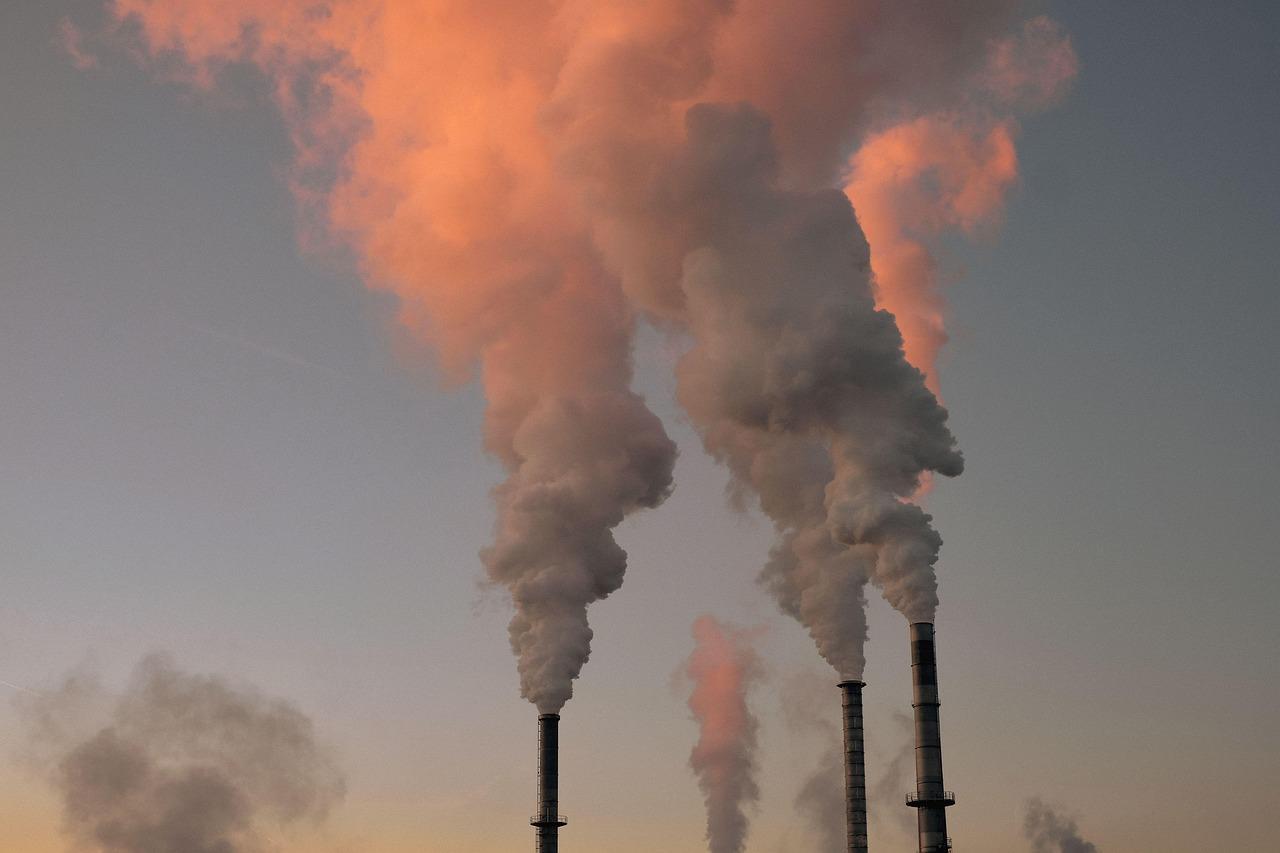
A July poll from The AP‑NORC Center and the Energy Policy Institute at the University of Chicago finds 53% of Americans are extremely or very concerned about AI's environmental impacts, a rise of more than ten percentage points from last year.
In this article · 6
A poll conducted by The AP‑NORC Center for Public Affairs Research and the Energy Policy Institute at the University of Chicago (EPIC) found that 53% of Americans are "extremely" or "very" concerned about the environmental impacts of artificial intelligence (AI). The survey sampled 3,424 respondents and was conducted between July 6 and July 24; the share expressing strong concern is more than ten percentage points higher than last year.
Partisan Differences, but Broad Concern
Democrats are more likely to be highly worried—65% describe themselves as extremely or very concerned—yet 42% of Republicans share that level of concern. Among Republicans, that high‑concern group is larger than those who are somewhat concerned (26%) or not concerned at all (31%).
The poll also indicates Democrats are likelier to believe AI will be harmful for society overall, although half of Republicans surveyed expressed similar pessimism.
Worries About Data Centers, Prices and Infrastructure
Concerns extend to the infrastructure supporting AI. Roughly eight in ten adults report being at least somewhat concerned about data centers' effects on electricity prices, power outages or water supply. These anxieties have become central to debates over permitting and environmental rules for AI infrastructure.
Political Responses and Regulatory Debate
Political reactions vary. Some Democratic lawmakers reportedly hesitate to emphasize AI concerns on the campaign trail, while President Donald Trump has emerged as a prominent supporter of AI and the data centers that power it, and his administration has moved to reshape environmental and permitting regulations related to AI infrastructure.
On Capitol Hill, multiple initiatives are underway: a bipartisan caucus focused on AI for small businesses, proposed legislation to establish a federal program to monitor systems, and a push from more than 100 House Democrats who signed a letter urging House Speaker Mike Johnson (R‑La.) to cancel an upcoming recess to vote on AI safeguards—Johnson has indicated that will not happen.
Existential Fears and Calls for a Pause
Separate polling, including The POLITICO Poll, shows many Americans hold more existential concerns: over 60% say there is at least a moderate risk that AI could one day destroy humanity. Majorities across party lines share this view, and a plurality supports a pause by AI developers.
The controversy intensified after three researchers at Anthropic went public with warnings last week that AI could destroy humanity within this decade, prompting widespread alarm and debate.
Voices from Tech and Politics
Despite calls from some leaders for a slowdown in AI development, President Trump has pushed a pro‑acceleration stance, arguing that the main ‘‘guardrail’’ AI needs is a strong and smart president.
LinkedIn co‑founder and major Democratic donor Reid Hoffman wrote in a Wednesday essay that neither extreme accelerationist nor decelerationist positions are ideal. He warned that the next 36 months will be decisive for AI’s societal impact and called for engaged public debate and leaders who can balance economic prosperity with global AI leadership.
Conclusion
The polls and recent events indicate rising concern in the United States about both the environmental and existential risks of AI, cutting across party lines. Lawmakers and regulators are responding with a range of proposals and initiatives, but consensus on how to manage AI’s impacts—environmental, economic and existential—remains elusive.
Related articles More from the section.

Nvidia pauses some server shipments to Southeast Asia
Nvidia has told manufacturing partners to pause server shipments to four Southeast Asian countries while it reviews compliance with U.S.
Regulation · November 26, 2026
Lawyer warns companies of AI compliance and data protection risks
At the AI & Digital Transformation 2026 conference, Taylor Wessing lawyer János Kopasz warned that companies face regulatory risks even before the EU AI Act is fully applied.
Regulation · November 26, 2026
Pentagon Denies Report of Proposed Pressure to Restore Jensen Huang at Nvidia
The Washington Post reported that Pentagon leaders discussed using a Cold War-era law to pressure Nvidia over Jensen Huang’s return as chief executive, a claim a Defense Department official denied.
