AI-generated text
Google's Project Suncatcher to Send TPUs on SpaceX Transporter-18 Rideshare
Industry · September 28, 2026
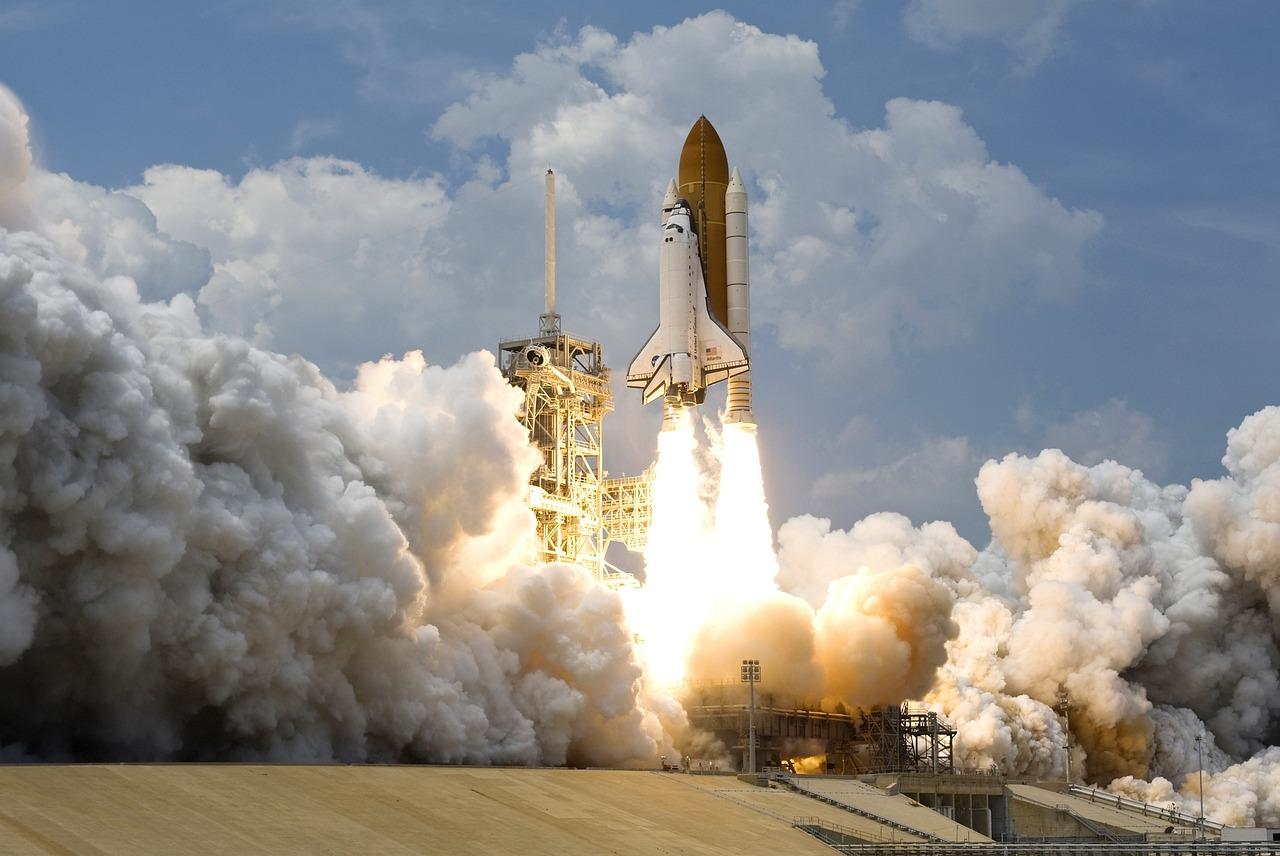
Google is advancing Project Suncatcher, its program to deploy computing hardware in orbit, by partnering with Planet to send Trillium TPUs aboard the SpaceX Transporter-18 rideshare mission.
In this article · 4
Google is moving forward with Project Suncatcher, its program to operate computing hardware in space and eventually train AI systems off Earth. In collaboration with Planet, Google plans to send some of its Trillium TPUs on the SpaceX Transporter-18 rideshare mission.
What Google has tested
Google has performed stress tests on the TPUs to evaluate their resilience to the high g-forces experienced during launch. The company also ran radiation tests and reported that the Trillium TPUs “hold up remarkably well, and can survive a radiation total ionizing dose greater than what they would receive during a five-year space mission.”
A remaining engineering challenge is cooling: computer chips generate significant heat, and radiating that heat away in the vacuum of space is a difficult problem.
Why this matters
Although Project Suncatcher sounds like science fiction, its rationale is practical. AI training and inference demand ever-growing compute capacity and energy. Space offers abundant area and solar power, making it a plausible location to move substantial amounts of computation into orbit.
Google frames Suncatcher as an effort to explore off-Earth locations for AI training and inference as part of longer-term infrastructure planning.
Next steps
The Transporter-18 ride will give the company an opportunity to test hardware under actual space conditions. Google will continue work on space-specific engineering challenges such as thermal management to support longer-duration operations.
Summary
Project Suncatcher is now in a practical test phase: Trillium TPUs have passed multiple environmental tests, including radiation tolerance above a five-year mission dose, but thermal control in vacuum remains unresolved. The initiative could be a step toward relocating significant AI compute into orbit to take advantage of available solar energy and space capacity.
Related articles More from the section.

SAP considers cutting more than 10,000 jobs amid AI shift
SAP is considering eliminating more than 10,000 positions as it adapts its business to artificial intelligence, according to Bloomberg.
Industry · November 26, 2026
OpenAI employee saw potential for mathematical applications of the model early on
An OpenAI employee referred to in the text as Ven believed early on that the company’s model at the time might be capable of solving the Millennium Prize Problems.
Industry · November 26, 2026
GTA VI and Anthropic IPO Highlight Debate Over AI and Creative Work
The reported launch of Grand Theft Auto VI has renewed debate over whether AI can replicate the painstaking work behind ambitious video games.
