AI-generated text
Gartner: AI drives a sharp rise in datacenter electricity use
Industry · July 9, 2026
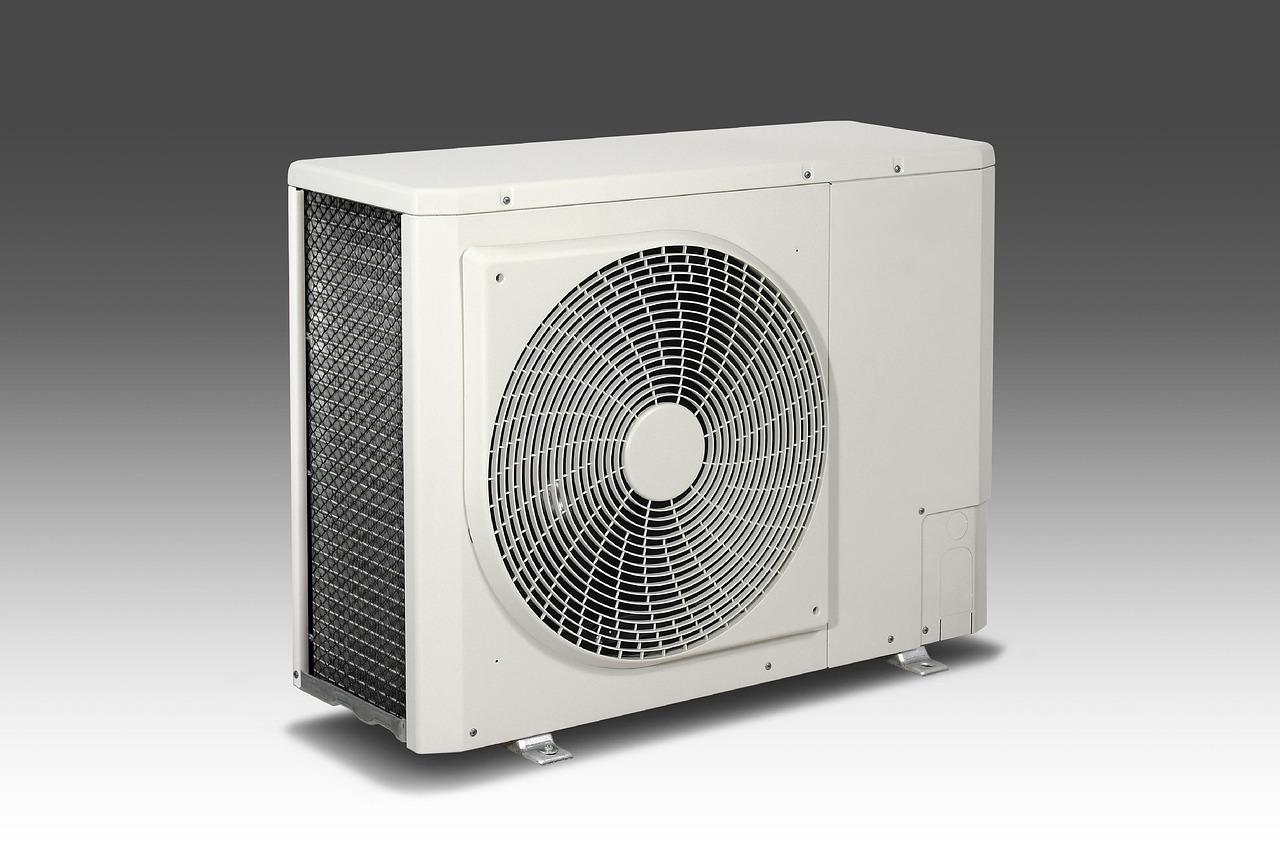
Gartner forecasts a 26% increase in global datacenter electricity consumption in 2026, driven largely by AI workloads and AI‑optimized servers.
In this article · 4
Gartner’s latest analysis finds that the spread of artificial intelligence (AI) workloads and the rapid deployment of AI‑optimized datacenters are driving a marked increase in the sector’s electricity consumption. The firm forecasts that global datacenter electricity use will rise about 26% in 2026, reaching 565 terawatt‑hours (TWh), up from 447 TWh in 2025.
Rising peak capacity and demand
The report also addresses peak capacity measured in gigawatts (GW): worldwide peak power requirements are expected to increase roughly 27% over the same period, from 104 GW in 2025 to 132 GW in 2026. Gartner notes that both actual energy consumption (TWh) and peak capacity (GW) are growing faster than utilities can reliably serve.
Note on units: gigawatts (GW) indicate peak or nameplate capacity—often capacity yet to be built or connected—while terawatt‑hours (TWh) measure the electricity actually consumed over a year.
Rapid growth of AI‑optimized servers
Gartner breaks out the impact of hardware optimized for AI. These AI‑optimized servers consumed about 95 TWh globally in 2025; the firm projects they will draw 175 TWh in 2026, an increase of roughly 84%. The forecast rises to 258 TWh in 2027, at which point AI‑optimized hardware is expected to consume more electricity than traditional servers for the first time.
Gartner further projects that by 2030 AI servers could account for nearly half of datacenter electricity consumption.
Traditional servers and growing cooling loads
In contrast, energy use by traditional servers has been essentially flat: it rose by less than 1% in 2025 and is projected to grow about 1.2% in 2026, to approximately 195 TWh. By 2027, traditional server consumption may reach about 200 TWh.
Cooling is becoming a larger share of total consumption as well: Gartner expects electricity used by cooling systems to increase by about 22.6%, reaching 195 TWh by the end of 2026.
Shares and implications
According to the report, AI‑optimized servers will represent roughly 31% of datacenter electricity use in 2026, up from about 20% a year earlier. Gartner highlights that such rapid increases in demand pose challenges for utilities and datacenter operators in terms of capacity planning and infrastructure.
In sum, the expansion of AI workloads is set to substantially raise datacenter electricity use in the near term, increasing both peak capacity needs and cooling loads while traditional server consumption remains largely stagnant. Gartner’s projections indicate these trends will continue from 2026 into the following years.
Related articles More from the section.

SAP considers cutting more than 10,000 jobs amid AI shift
SAP is considering eliminating more than 10,000 positions as it adapts its business to artificial intelligence, according to Bloomberg.
Industry · November 26, 2026
OpenAI employee saw potential for mathematical applications of the model early on
An OpenAI employee referred to in the text as Ven believed early on that the company’s model at the time might be capable of solving the Millennium Prize Problems.
Industry · November 26, 2026
GTA VI and Anthropic IPO Highlight Debate Over AI and Creative Work
The reported launch of Grand Theft Auto VI has renewed debate over whether AI can replicate the painstaking work behind ambitious video games.
